Meaning
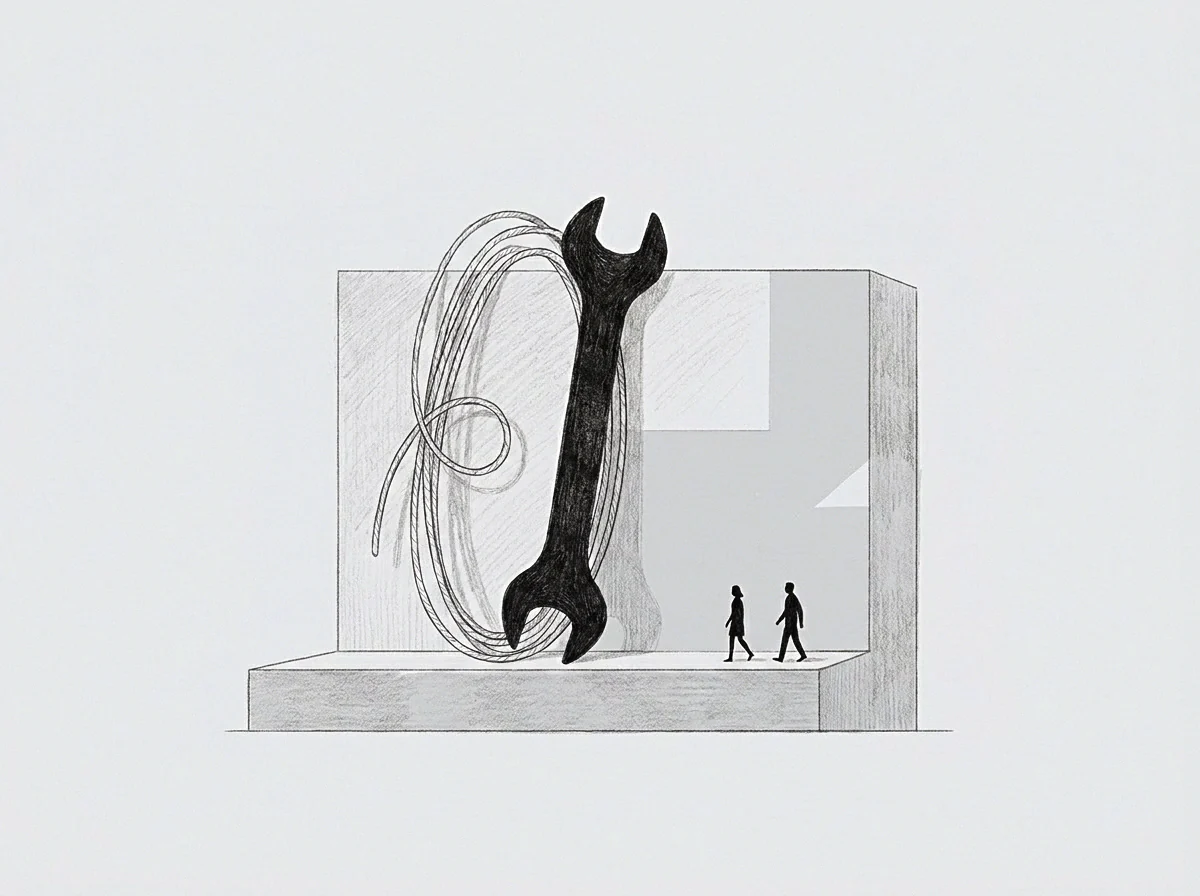
Interpersonal and professional conflict among co-founders emerges from misaligned expectations, unequal commitment or diverging strategic views. This founder friction is a primary cause of early-stage startup failure and can halt operational progress before a product reaches the market. It presents as a breakdown in communication that delays decision-making and erodes team morale.
Strategic Divergence
Disagreement over the direction of the business often begins as minor differences in product focus but can escalate into structural divides. When a venture scales, founder friction frequently increases as individuals struggle to adapt to new corporate roles or disagree on how to allocate resources. One founder may wish to reinvest all revenue into research while another prefers to focus on sales expansion.
This misalignment can lead to paralysis where neither strategy is executed effectively.
Financial Cost
The disruption of executive cohesion carries severe financial risks, including investor withdraws and the loss of key personnel. If founder friction becomes visible to external partners, fundraising efforts often collapse as venture capital firms avoid teams with unstable governance. Resolving these disputes through equity buyouts can deplete the company’s cash reserves and distract from market operations.
This administrative and financial drain often leaves the venture unable to compete.
Resolution Mechanism
Mitigation of these conflicts is achieved through structured co-founder agreements and clear vesting schedules. To prevent founder friction from destroying the enterprise, equity should be tied to continuous service so that a departing founder does not leave with a large portion of the capital. Regular performance reviews and third-party mediation can also address grievances before they become insurmountable.
This structured approach preserves the stability of the management team.