Meaning
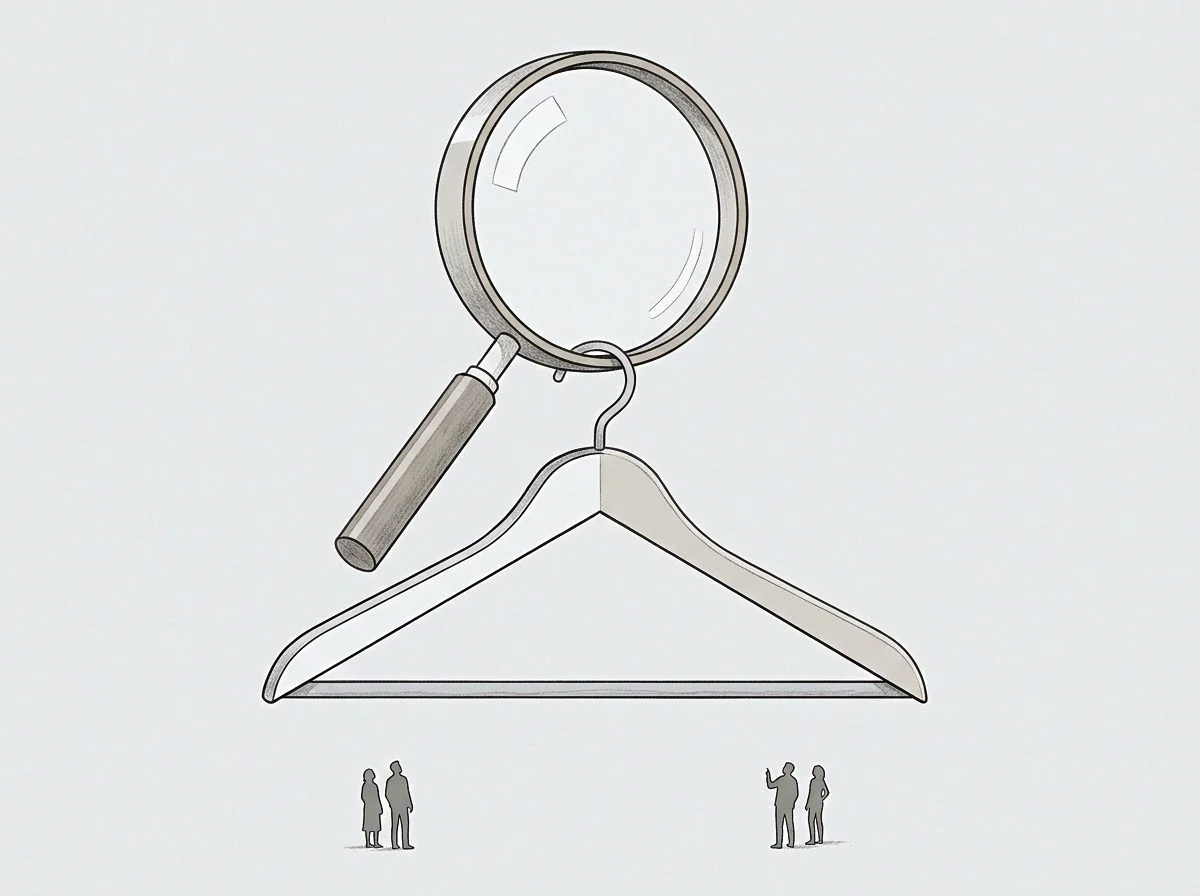
A classification standard establishes graduated depths of technical or financial verification applied to a vendor or corporate counterparty. In institutional relationships, an inspection tier dictates whether an organization faces automated telemetry checks and on-site physical audits by third-party evaluators. The standard calibrates verification depth according to transaction value and counterparty risk profiles.
It ceases to apply when bilateral agreements mandate uniform scrutiny across all suppliers regardless of operational scope.
Scrutiny Gradient
Tiered monitoring assigns distinct evidentiary demands across different relationship classifications. Low-risk counterparties operate under basic questionnaire self-certifications, while critical suppliers occupy high oversight tiers requiring continuous log feeds and external certifications. Assignment to a higher inspection tier increases document production overhead and developer interruptions.
The inspecting buyer demands complete operational transparency to satisfy institutional risk committees, while the vendor absorbs all tracking and reporting costs. When parties negotiate master service agreements, suppliers frequently accept elevated oversight tiers without securing pricing premiums to cover the expanded compliance labor.
Operational Toll
Resource expenditure increases nonlinearly as an organization moves up the monitoring hierarchy. Engineers must maintain evidence binders and participate in scheduled technical interviews. Reaching an advanced inspection tier can divert entire development cycles into compliance maintenance.
Small engineering teams suffer reduced product delivery velocity while servicing these evidentiary protocols.
Escalation Boundary
Reclassification triggers govern when a supplier moves between verification levels based on incident history or transaction growth. A single security failure or contractual breach can drop an organization into aggressive oversight. Defining a clear escalation boundary ensures that increased scrutiny recedes once remediations are verified by both parties.