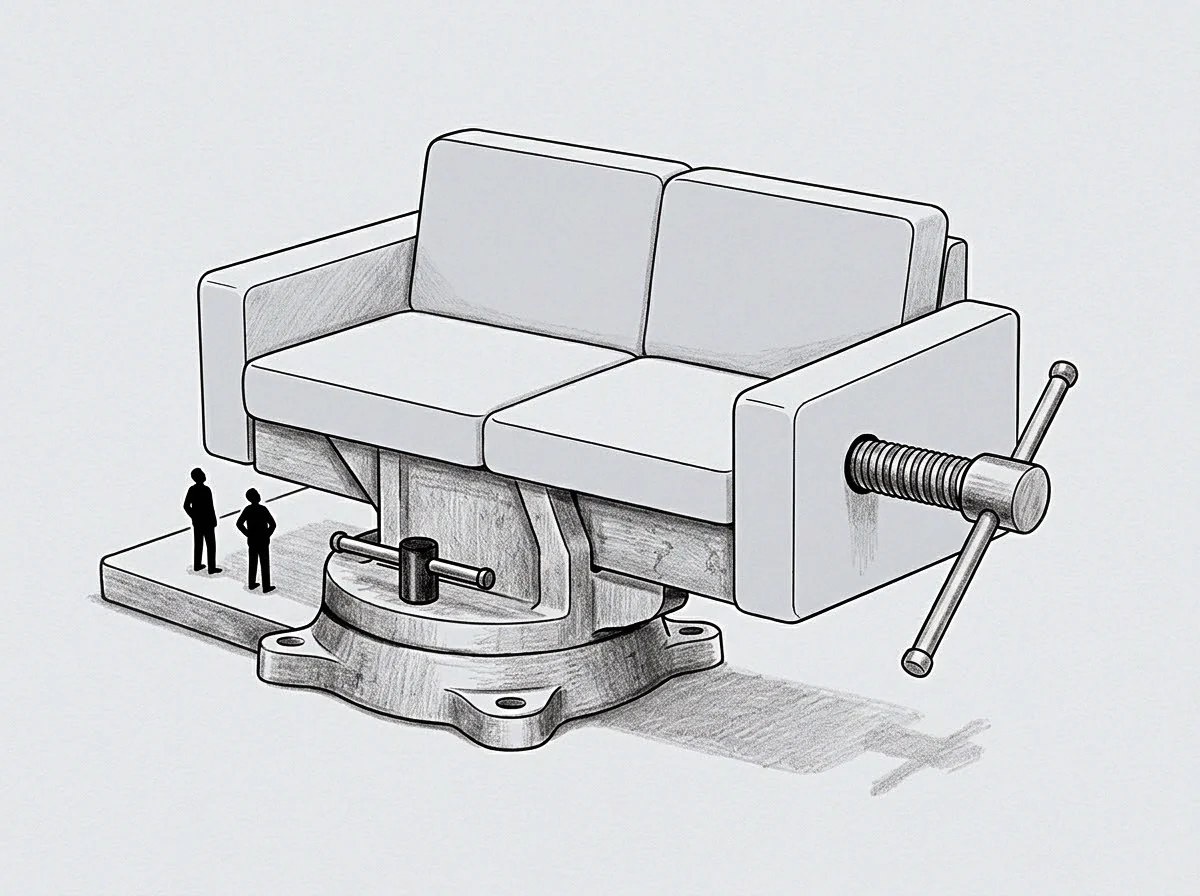
Meaning
Setting the terms of a debt facility involves a deliberate exchange regarding the limits placed on operational freedom. Borrowers and lenders engage in loan covenant negotiation to define the specific financial hurdles a company must clear. These hurdles include maintaining a certain level of cash or keeping debt below a multiple of earnings.
The outcome determines how much room the founder has to run the business without interference. During the negotiation, the borrower seeks to maximize operational freedom while the lender focuses on protecting the principal of the loan.
Risk Distribution
Both parties want to protect their interests during the initial contracting phase. Effective loan covenant negotiation finds a middle ground where the lender feels safe but the company can still invest in growth. This balance is reached by adjusting the tightness of the ratios.
Margin Flexibility
Growth companies often experience seasonal dips or sudden expenses that could trigger a default. Including headroom within the loan covenant negotiation allows for these fluctuations without creating a crisis. This buffer is a primary goal for any borrower taking on debt.
Constraint Design
Defining what counts as an expense or an asset is just as important as the ratio itself. During loan covenant negotiation, the parties agree on accounting standards and exclusions for one time costs. These definitions prevent technical breaches caused by accounting anomalies.