Meaning
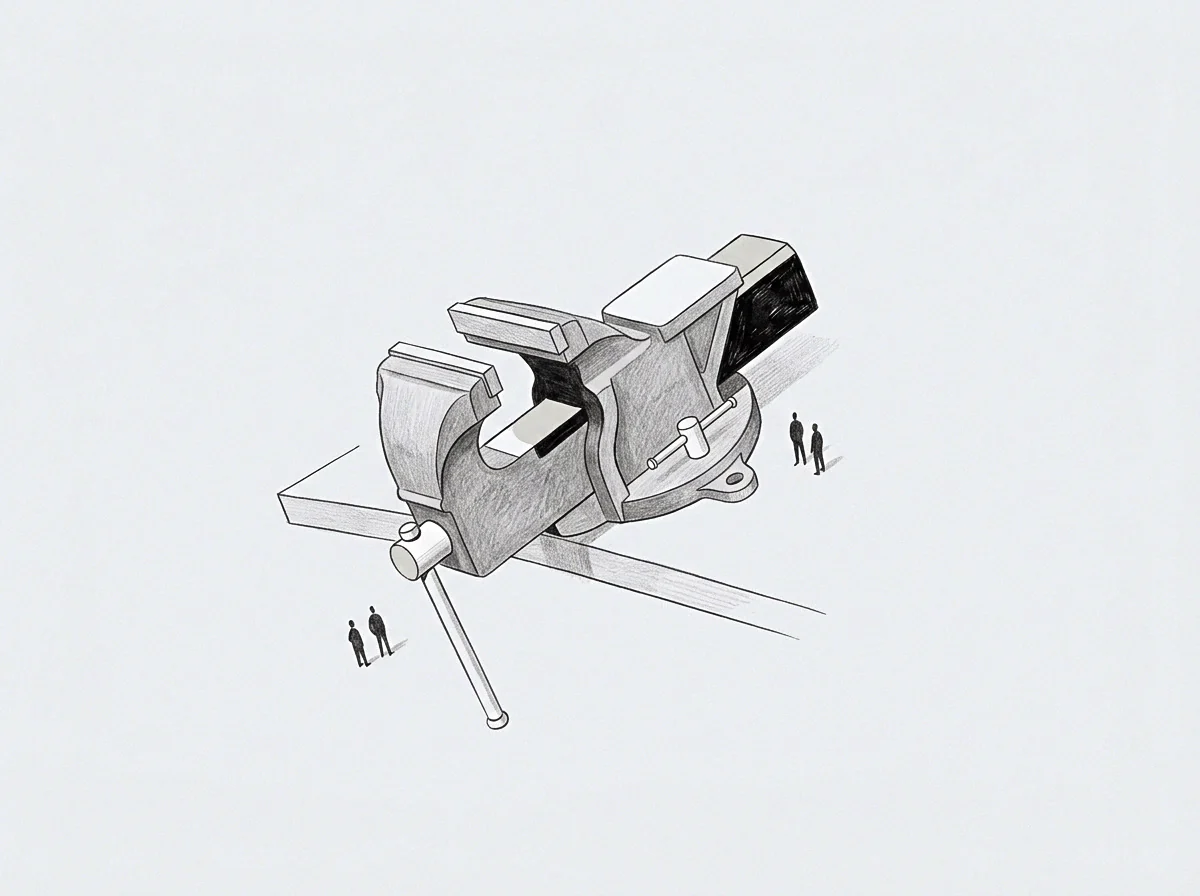
Application of formal authority ensures that the directives of the board or senior management are followed by the rest of the organization. Mandate enforcement involves the use of disciplinary measures or technical locks to guarantee compliance with a new policy. This process is necessary when a firm pivots to a new strategy that requires a change in behavior from every employee.
Authority Application
Exercise of power flows from the top of the hierarchy to the individual contributor. When a company initiates mandate enforcement, it sends a clear signal that the time for debate has ended. Managers are tasked with monitoring the adherence of their teams and reporting any deviations to the center.
This top down approach is common in highly regulated industries where a single error can lead to a fine or a loss of a license.
Resistance Management
Friction occurs when staff members prefer the old ways of working or do not see the value in the new rules. Effective mandate enforcement requires a plan to address this pushback through training or reassignment. If a person refuses to align with the new direction, the company may choose to end the relationship to prevent the spread of dissent.
The price of this enforcement is often a measurable drop in morale as the culture adjusts to the new expectations. This transition period requires the constant presence of leaders who can explain the reason for the change while remaining firm on the requirements. If the firm chooses to ignore the resistance, it risks a permanent fracture in its operational effectiveness.
Operational Limit
Bounds of authority are reached when the rules begin to prevent the completion of essential tasks. If mandate enforcement is too rigid, it can stifle the creativity and flexibility that a young firm needs to survive. The firm must find a balance between the need for order and the need for results.
A policy that is followed perfectly but produces no value is a sign that the enforcement has gone too far.