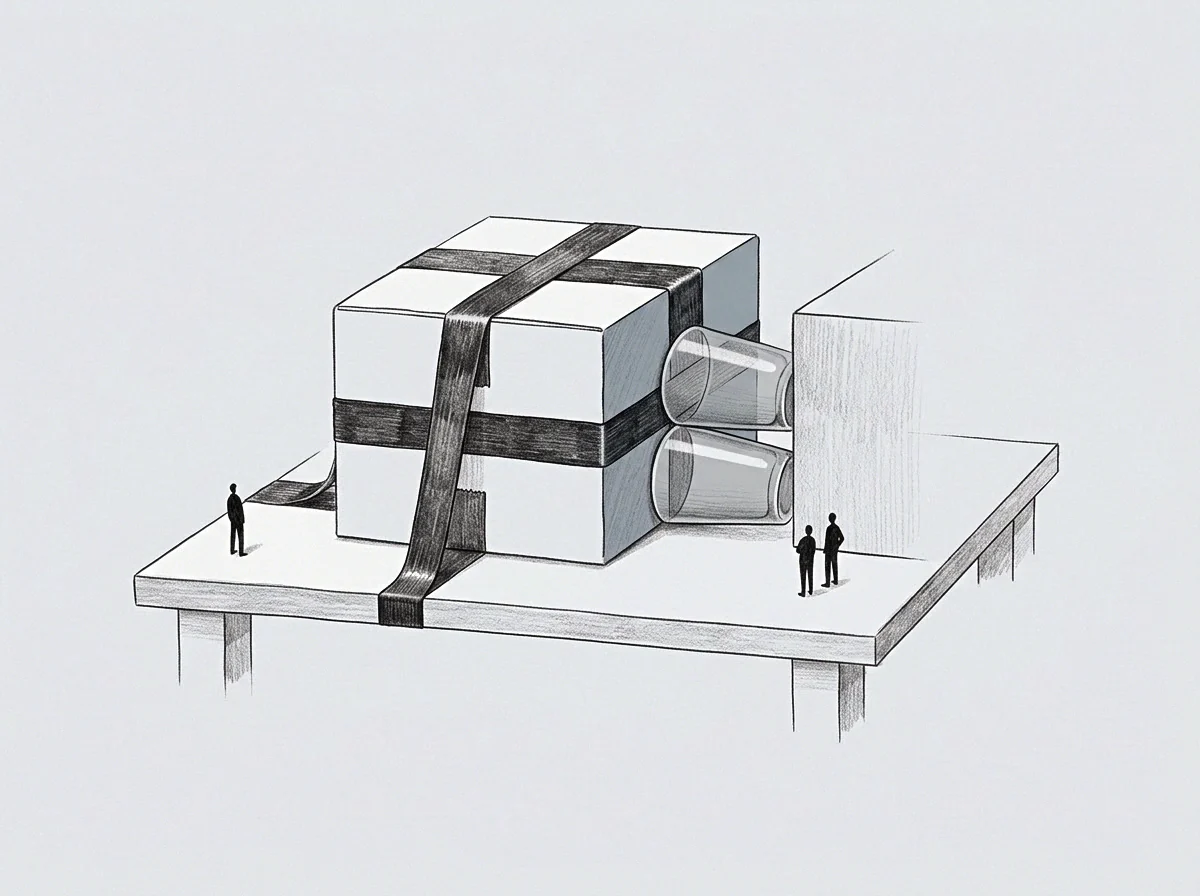
Meaning
Organizational hierarchy resistance refers to the delay and distortion of strategic goals as they pass through intermediate layers of leadership. Startups often experience middle management friction when they hire their first layer of directors who introduce additional meetings and processes. This layer can slow down execution by demanding extensive documentation before approving new actions.
It often dilutes the direct communication that previously existed between founders and engineers, leaving the development staff disconnected from the original vision.
Structural Delay
As a company grows, the addition of managerial layers can create a bottleneck where decisions that once took minutes now take weeks. Product releases are delayed because each new manager wants to review the specifications. This delay reduces the organization’s speed in reacting to market shifts.
Communication Gap
Corporate goals are frequently misunderstood when they are filtered through several layers of intermediate directors. Each level adds its own interpretation, which can change the emphasis of the original message. By the time the directives reach the development team, they may no longer align with the founder’s intent.
Resource Waste
The administrative burden of managing these middle layers consumes hours of productive time that would otherwise be spent on product development or customer support. High-paid professionals spend their workdays in alignment sessions and status meetings rather than building. This misallocation of energy reduces the overall efficiency of the team, raising the burn rate without any corresponding increase in feature delivery or revenue generation.