Meaning
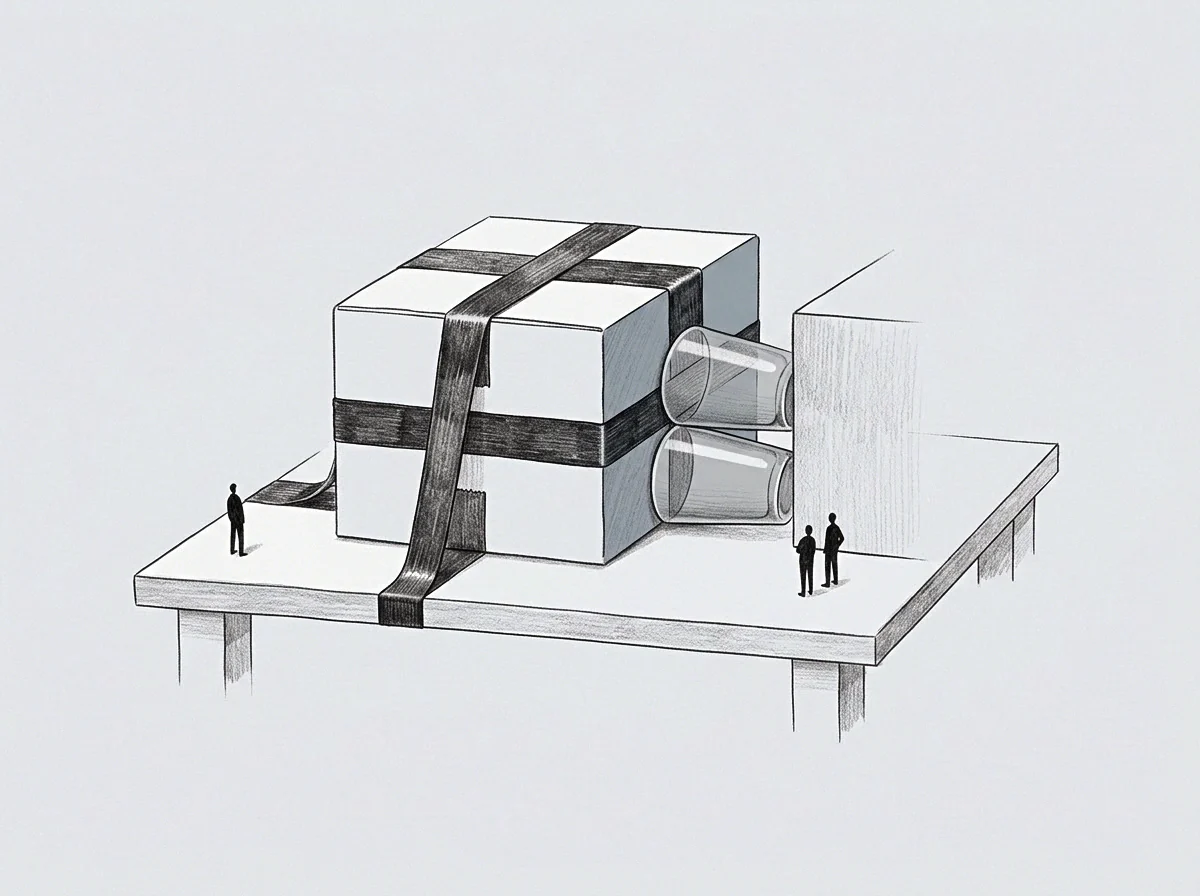
Capacity reallocation occurs when specific operational inputs transition from one venture to another without formal transfer protocols. These resources, whether human expertise or technical assets, shift toward new objectives while remaining nominally tied to the initial organizational structure. Managers monitor this movement to prevent unintentional degradation of original output quality.
Operational Friction
Personnel transitions often trigger hidden productivity gaps in the departing team. Such instability arises when the founder redirects specialized workers before the original project reaches a stable state. This action forces the remaining team to absorb the vacuum left by the moved participant.
Senior staff often struggle to maintain existing service levels during these periods of personnel reallocation.
Financial Distortion
Accounting cycles suffer when assets move across organizational boundaries without a corresponding invoice. Founders frequently treat these transfers as internal adjustments rather than external market transactions. This practice obscures the actual cost of running independent units.
Records fail to reflect the consumption of value within the primary entity, leading to inaccurate assessments of project viability.
Strategic Constraint
Resource displacement dictates the upper limit of how many concurrent initiatives one group supports. Each shift in focus necessitates a reconfiguration of existing workflows to accommodate the loss of concentrated expertise. Organizations that ignore this effect eventually experience a decline in overall output volume.
Efficiency in new ventures frequently correlates with the duration of the interruption caused to the established operations.