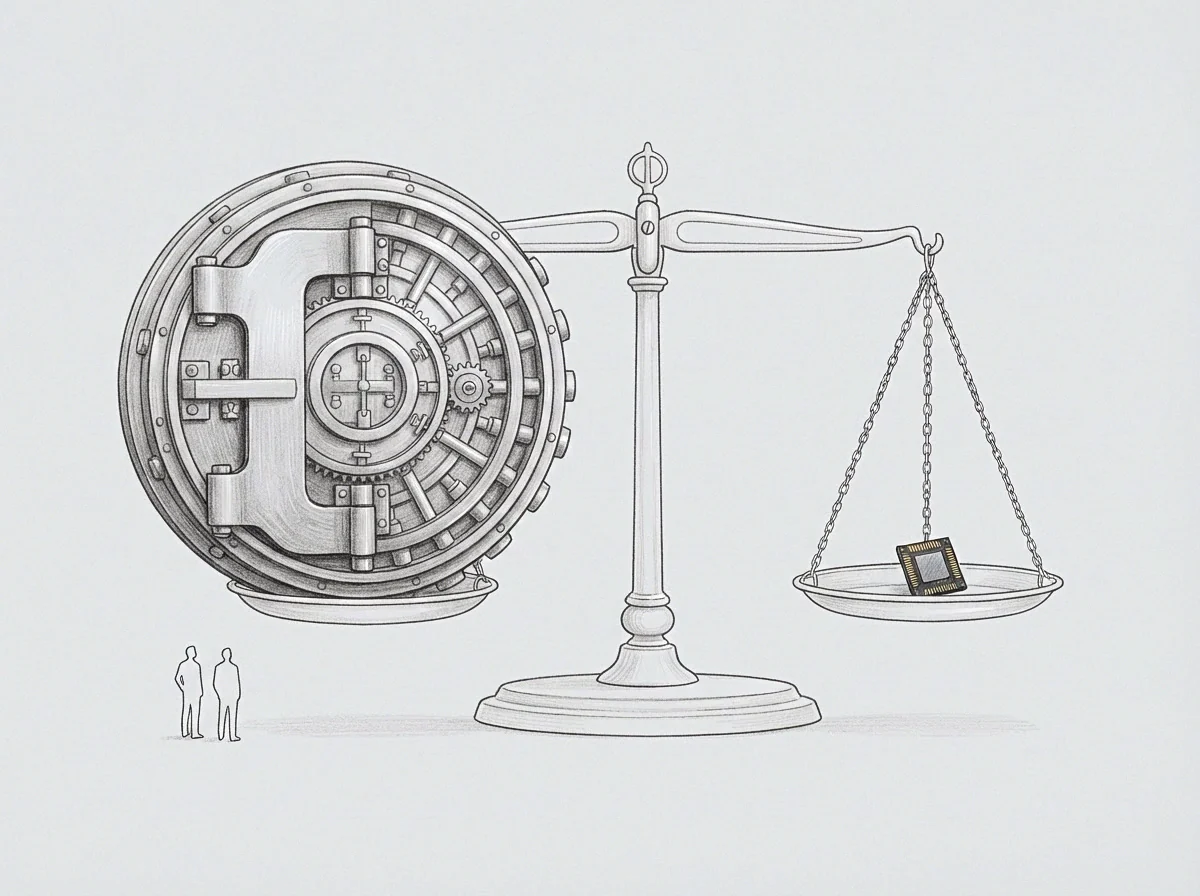
Meaning
Contractual substitution of one party for another releases the original participant from obligations while establishing a fresh agreement with a successor. A novation agreement requires the consent of all involved parties to transfer both the rights and the duties of a contract. This legal instrument differs from an assignment, which only transfers rights.
It is used when a founder leaves and a new entity or person takes over their specific contractual role. This mechanism ensures that the legal chain of responsibility remains unbroken during a leadership change.
Obligation Transfer
Migration of responsibilities from the outgoing party to the incoming party must be clearly defined to avoid future disputes. The novation agreement ensures that the person taking over the role is fully aware of the work required. This process protects the company by maintaining the continuity of service.
Each party must sign the document to make it valid.
Liability Release
Discharge of the original party from any future performance or legal claims is the primary benefit of the transaction. The novation agreement provides a clean break for a founder who wants to move on to a new project. Without this release, the individual could still be held responsible for the actions of the company after they have left.
This protection is a standard part of any professional exit.
Consent Requirement
Agreement from the remaining party to accept a new partner is the final step in the process. A novation agreement cannot be forced upon a counterparty who does not want to work with the successor. This rule ensures that the quality of the partnership is maintained even as the participants change.
Mutual trust remains the basis of the contractual relationship.