Meaning
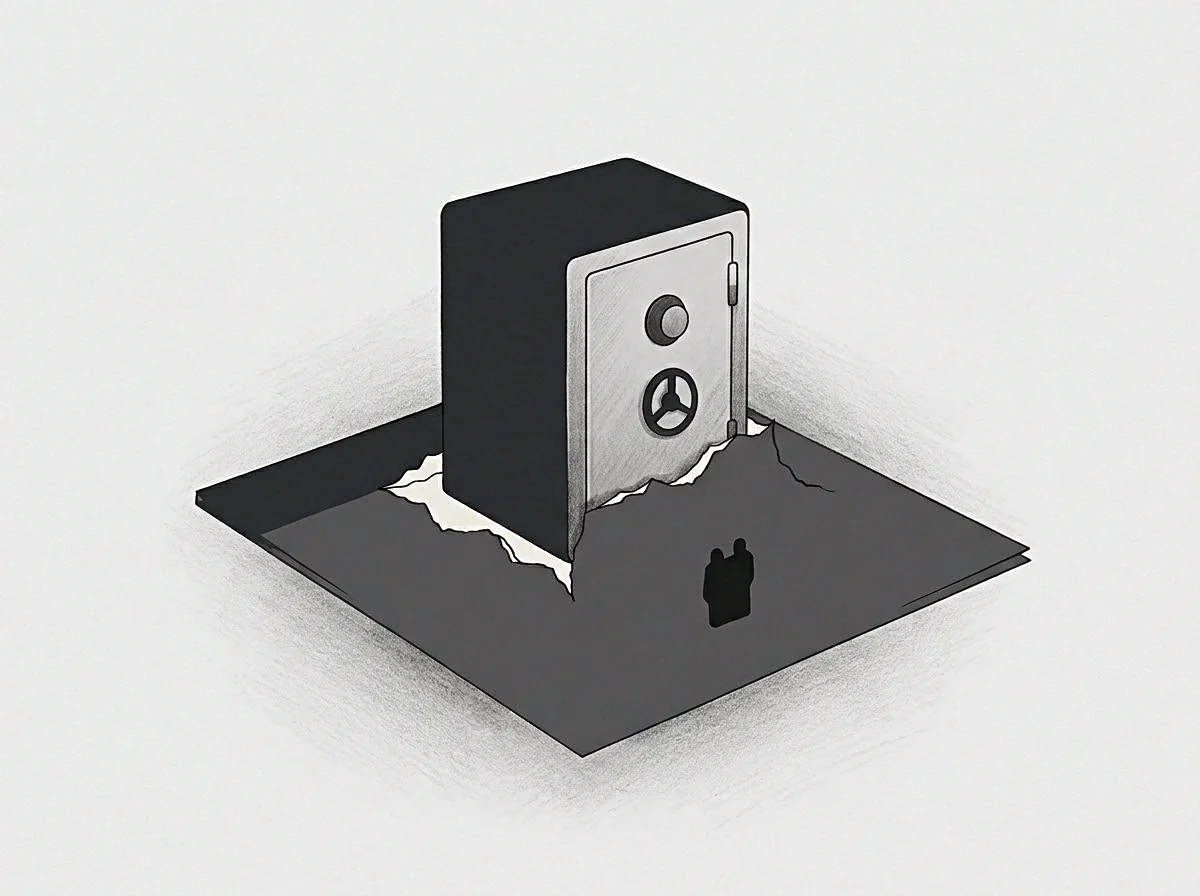
A transmission path used by cofounders to move commercial authority, capital allocation decisions, and strategic updates between governance nodes. An operating channel functions as a structured pipeline for executive decisions, carrying commitments across organizational boundaries where informal communication fails. This medium requires deliberate maintenance capacity, drawing forty hours of executive attention monthly to keep transmission errors below acceptable thresholds.
Misalignment between partners frequently stems from capacity failures inside this channel rather than strategic disagreement, creating friction that absorbs significant operational bandwidth.
Signal Degradation
High communication frequency degrades transmission quality when message volume exceeds available cognitive capacity. Founders often increase transmission attempts when trust drops, accelerating the decay of the channel through sheer noise. Reduced bandwidth forces partners to rely on historical assumptions, substituting outdated mental models for current data.
Protocol Cost
Maintaining an open channel demands continuous attention hours that cannot be redirected toward product development or client acquisition. Each transmission consumes finite cognitive capacity, leaving fewer resources for operational execution during high-stress periods. Partners pay this toll through delayed responses, escalating fatigue, and diminished responsiveness to external market signals.
Transmission Failure
Complete blockage occurs when relational friction causes one party to withhold operational updates entirely. Deadlocks happen when information stops moving, leaving both founders operating on conflicting assumptions about enterprise direction. Resolution requires resetting the communication architecture from scratch, consuming weeks of recovery time before normal operational flow resumes.