Meaning
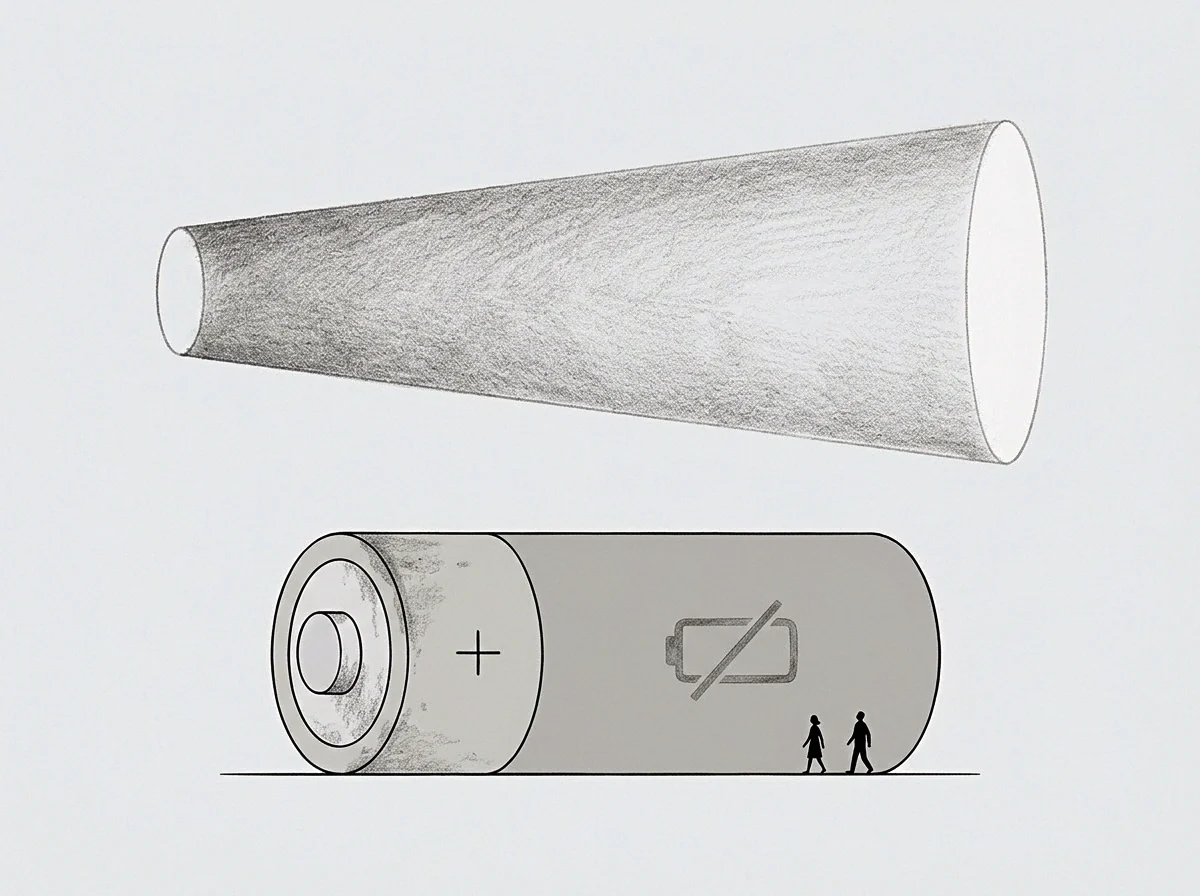
Operational capacity divergence is a structural condition wherein the execution bandwidth of founding teams drifts away from the actual demands of concurrent operational agreements. This discrepancy governs the allocation of internal hours and attention against stated obligations, stopping at the exact boundary where informal understandings replace explicit commitments. Internal bandwidth calculations often assume uniform productivity across all operating weeks, ignoring the drain caused by reactive problem solving.
Teams commit to delivery schedules based on historical throughput while structural debt accumulates in the background, consuming hours that were previously dedicated to core production. The penalty for this misalignment appears as delayed output without a corresponding reduction in incoming requests, forcing founders to absorb the deficit through extended hours.
Execution Strain
Working hours expand silently as founders compensate for the structural gap using personal stamina rather than systemic adjustment. Attention fractures across multiple competing priorities because no mechanism filters incoming demands before they reach the executive tier. Mental fatigue accumulates during these extended periods, degrading the quality of subsequent decisions and reducing the capacity for strategic oversight.
Each unabsorbed task demands an immediate allocation of time, depleting the reserves required for long term planning.
Capacity Threshold
Output velocity drops noticeably once the backlog exceeds twenty percent of total available weekly hours. Performance degrades further when concurrent projects multiply beyond the threshold of active supervision, causing deliverables to slip simultaneously. Teams attempt to bridge the deficit by accelerating pace, which generates errors and triggers additional rework cycles.
Recovery remains impossible while incoming obligations continue to match or exceed the previous peak volume.
Resource Deficit
Financial costs multiply when external contractors enter the workflow to handle tasks that internal teams can no longer absorb. Payroll expenditure increases without a proportional rise in revenue generation because outside assistance requires onboarding time and oversight. This financial drain accelerates the depletion of available reserves, forcing founders into reactive fundraising cycles to cover self inflicted operational deficits.
Structural misalignment converts standard operating friction into a persistent drain on company resources.