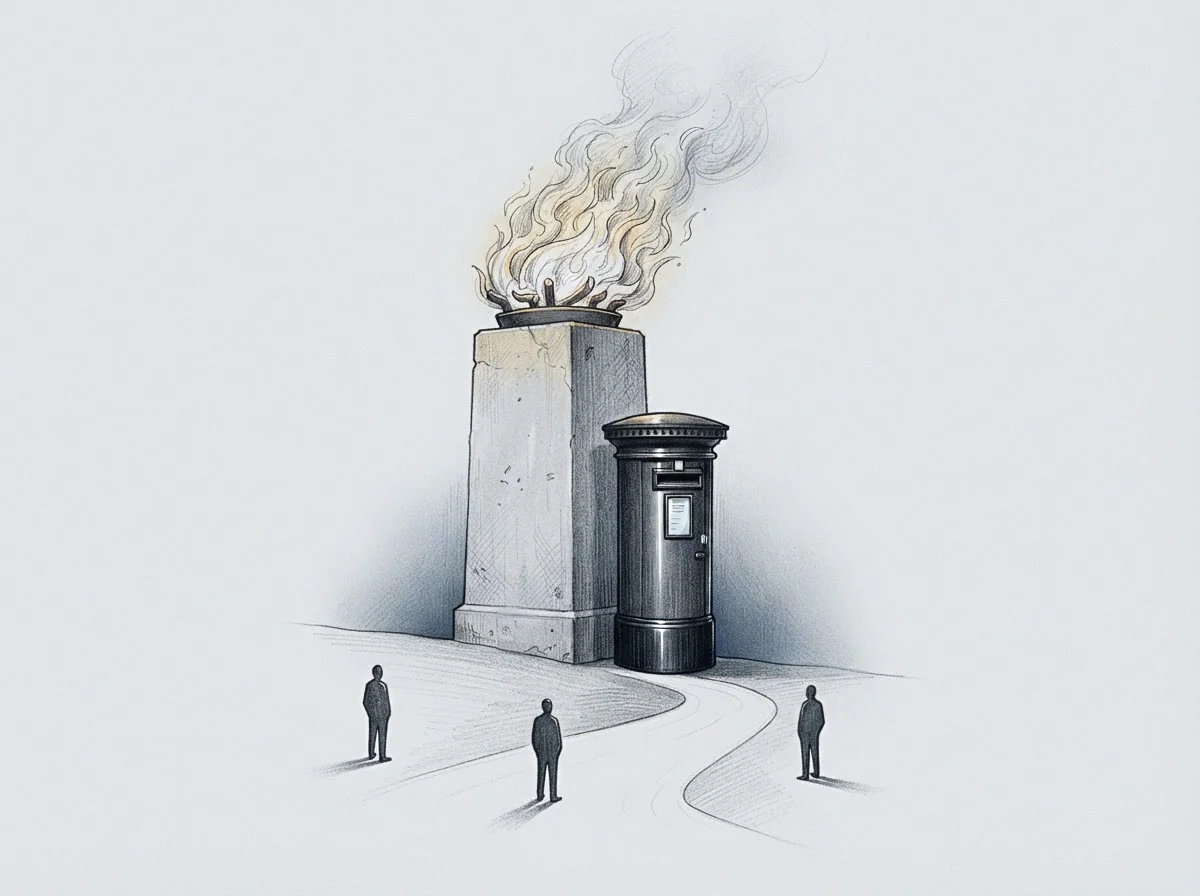
Meaning
The uninterrupted maintenance of a firm’s daily activities and service delivery occurs during a major leadership change. Achieving operational continuity ensures that the departure of a founder does not disrupt customer relationships or internal workflows.
Knowledge Preservation
The risk of losing specialized operational knowledge is highest when a long-term leader departs. To maintain operational continuity, the organization must document critical processes and transfer proprietary relationships to broader team members before the transition starts. This structured handoff prevents the loss of execution capability.
It builds confidence among both the staff and the board.
Customer Protection
Clients often worry about service quality and strategic direction when they hear of a founder’s exit. Actively managing operational continuity involves establishing clear lines of communication to reassure major accounts that service levels will remain unchanged. This proactive engagement reduces the churn rate that often occurs after major corporate announcements.
The company can thus protect its core revenue streams.
Systemic Stability
The ultimate success of a succession plan relies on the business functioning as an independent system. When operational continuity is achieved, the organization’s performance ceases to depend on the founder’s daily presence or individual problem-solving skills. This independence is a primary driver of enterprise value in secondary market transactions.
It proves that the business can scale sustainably under any professional manager.