Meaning
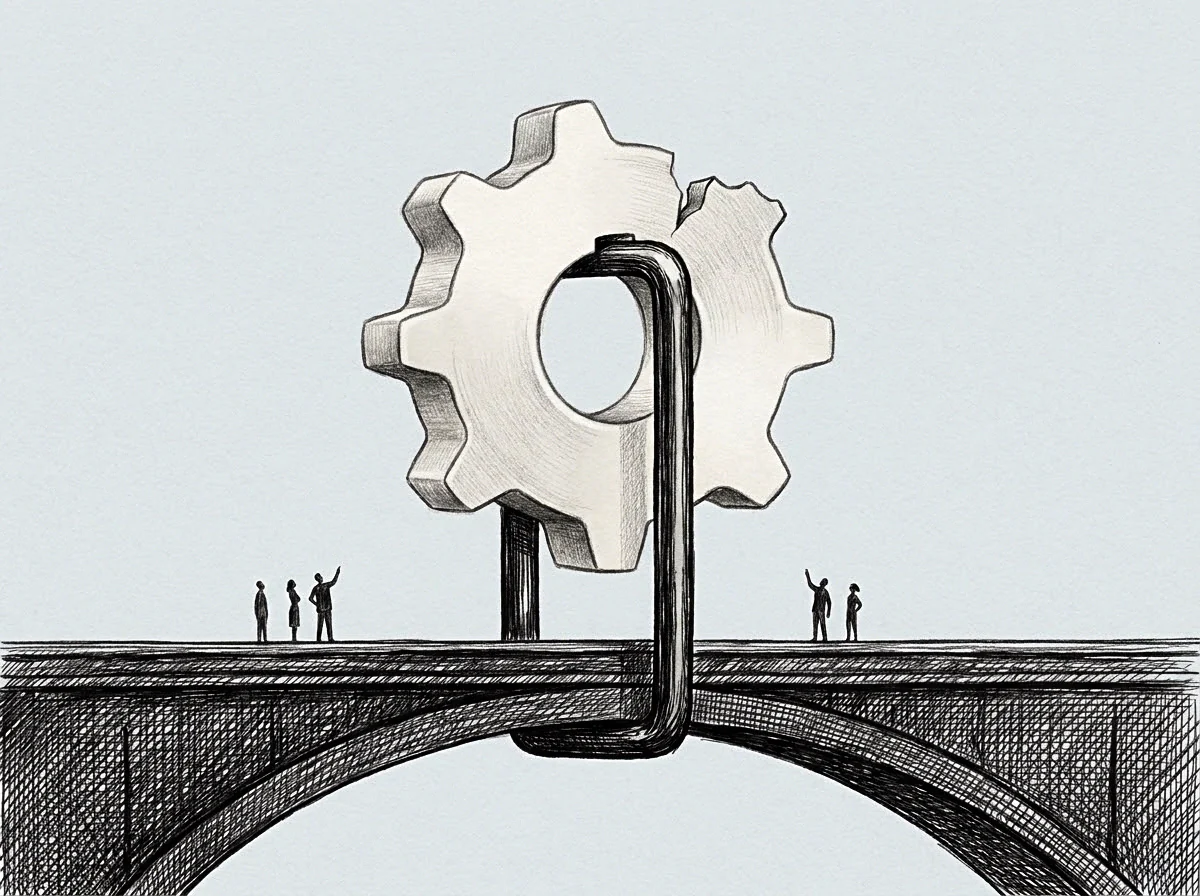
Structural division provisions within equity agreements terminate financial or voting ties between joint owners or departing founding parties. Executing an ownership severance divides co-mingled equity holdings or corporate assets into distinct legal entities without residual shared liabilities. This legal process resolves founder departures or corporate spinoffs by cancelling equity grants or reallocating corporate titles.
Companies use this approach to establish clear operational independence following founder disputes or strategic realignments.
Asset Partition
Legal counsel drafts separation instruments that delineate patent holdings or domain registries assigned to each party. An ownership severance requires precise allocation schedules to ensure complete transfer of title without remaining ambiguity. Unassigned assets remaining in joint ownership create future legal vulnerabilities during corporate financings or acquisitions.
Formal partition documents establish sole ownership for each separated asset class.
Liability Uncoupling
Eliminating cross-collateralization and personal guarantees protects departing executives from future corporate obligations. Through ownership severance, companies release departing founders from operational debts while indemnifying them against future litigation arising from corporate actions. The severed entity assumes all operational risks associated with ongoing commercial activities.
Operational Boundary
Clear legal division enables both entities to conduct business independently. Achieving complete ownership severance prevents interference in future corporate decision-making.