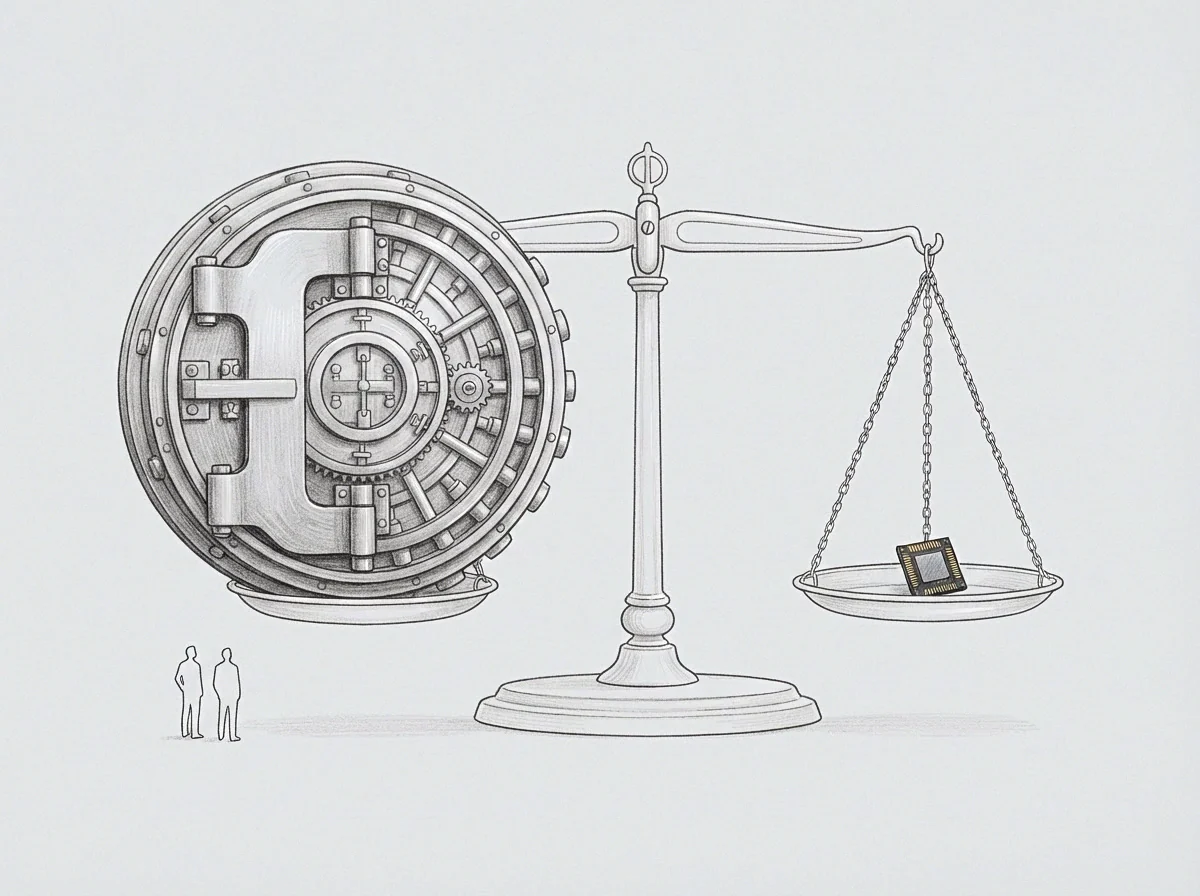
Meaning
Formal demands for assets or recognition of rights arise when stakeholders assert that specific promises or legal entitlements remain unfulfilled. Partner claims often follow a change in the company’s valuation or a shift in leadership. These assertions can range from demands for unpaid bonuses to disputes over the percentage of equity owned.
They stop being a threat only when a formal settlement is signed or a legal forum makes a final ruling.
Legal Exposure
Identification of potential conflicts before they become lawsuits is a priority for the management team. The partner claims represent a financial liability that must be disclosed to potential investors. If left unaddressed, these demands can derail a funding round or a sale.
Protection of the corporate treasury requires a proactive approach to dispute resolution.
Settlement Procedure
Negotiation of a mutual release of all current and future demands allows the company to move forward without the weight of past disagreements. These partner claims are typically resolved through a combination of cash payments and equity adjustments. The goal is to reach a finality that prevents the same issue from being raised again.
Professionals use mediation to avoid the cost of a public trial and to maintain the privacy of the firm’s internal governance.
Resolution Logic
Application of the original contracts and the rules of equity provides a framework for deciding who is right. Partner claims are evaluated based on the evidence of what was promised versus what was delivered. This analysis helps the company understand where its internal communication failed.
Clear documentation prevents these issues from arising in the future.