Meaning
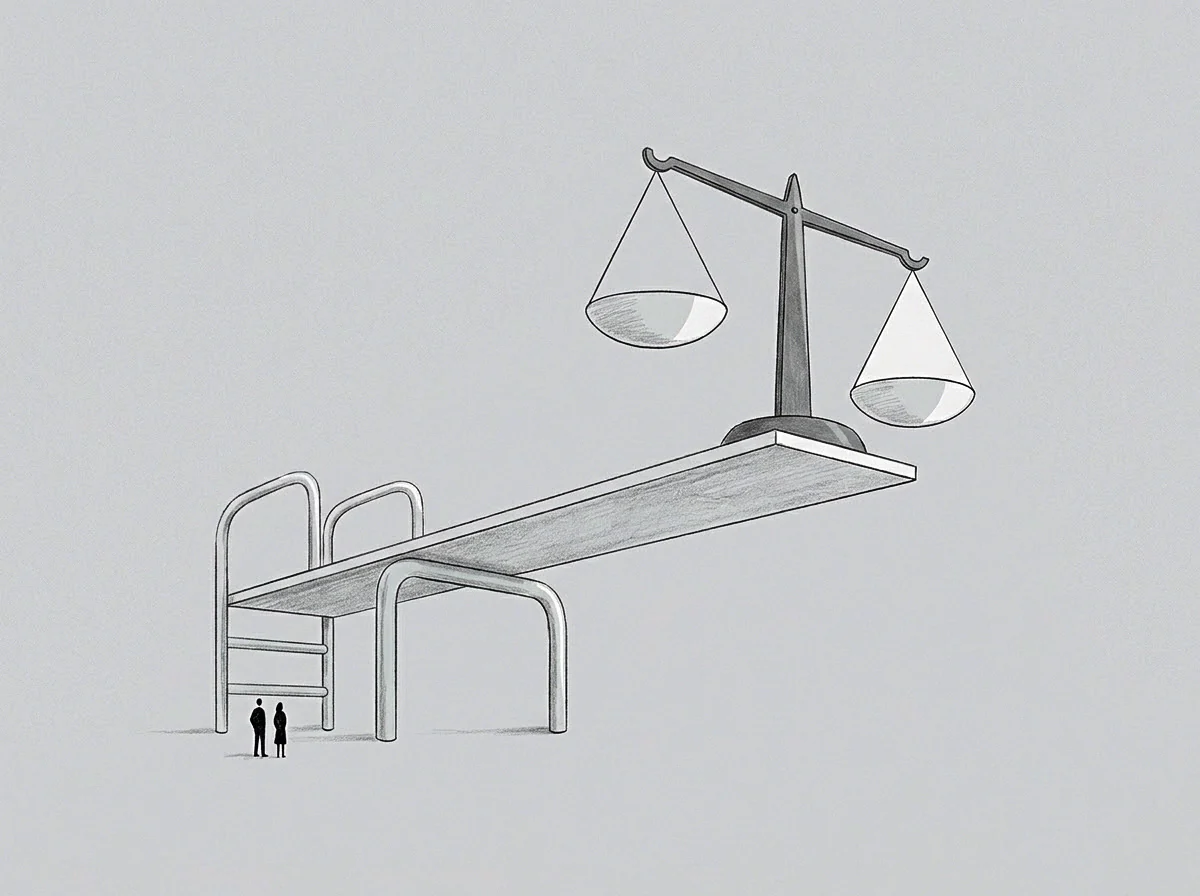
Communication pathways in a growth-stage company frequently depend on the personal networks and reputations of its founders. These person-channels act as informal links between the organization and its external partners, investors, customers and suppliers. They rely on the trust and history established by an individual rather than the formal brand of the firm.
This reliance makes the company’s external reach highly sensitive to the presence and activity of specific people.
Relational Infrastructure
Networks are built through years of reciprocity and shared projects. When person-channels are the primary method of business development, the company gains access to high-level decision makers that would be unreachable through cold outreach. These paths allow for the rapid exchange of sensitive information and the quick resolution of conflicts.
However, the infrastructure is fragile because it is tied to the career trajectory of a single person. Because the value is held by the individual, the firm cannot easily collateralize or sell the relationship.
Transfer Cost
Moving a relationship from an individual to a corporation is a resource-intensive process. As a firm scales, it must attempt to institutionalize the person-channels that were used in its early days. This requires introducing account managers and establishing formal contracts that replace the founder’s handshake.
Operational Constraint
Bottlenecks occur when too many decisions flow through a single node. Because person-channels are limited by the attention span and hours of the individual, they can prevent a company from expanding beyond a certain size. If every major client requires a meeting with the founder, the founder becomes a constraint on the firm’s growth.
Organizations must eventually diversify their distribution to include automated or team-based paths.