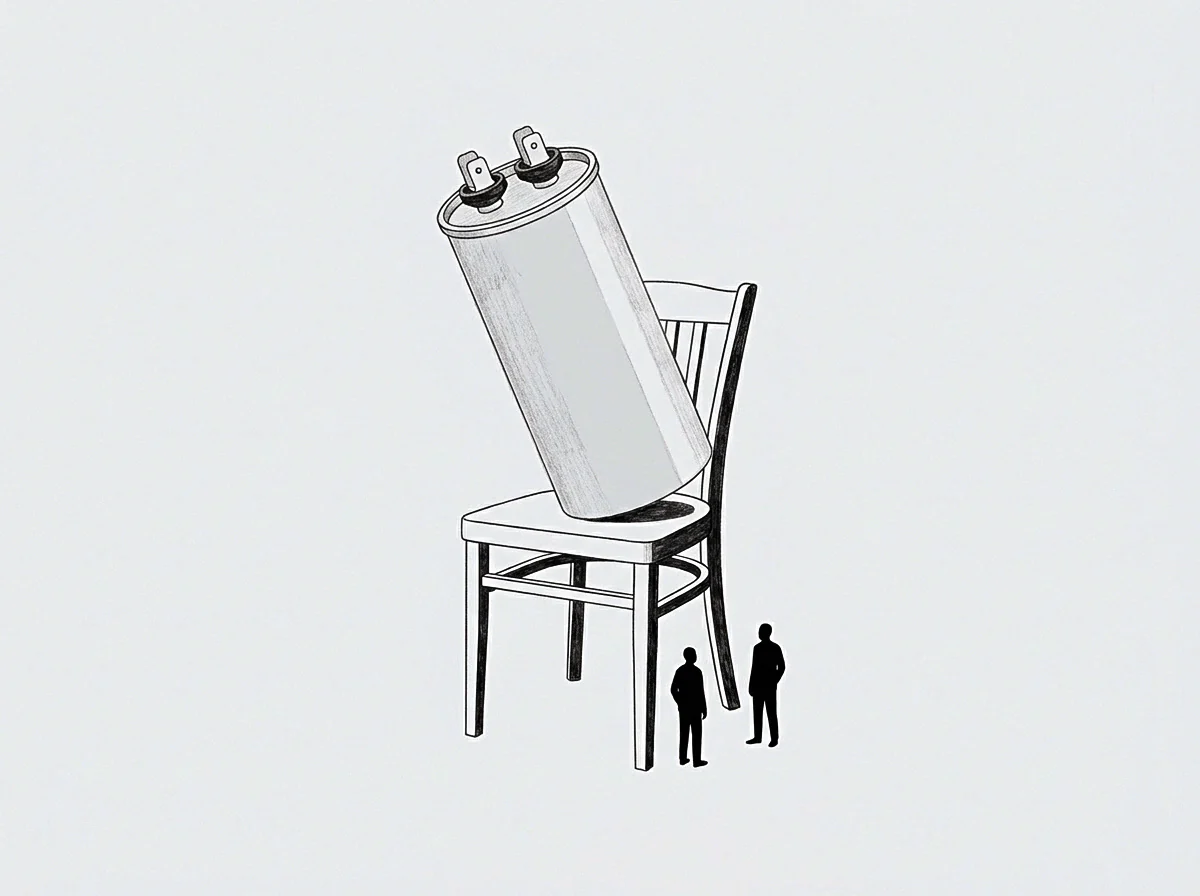
Meaning
Loss of authority or influence that occurs when a leader moves away from the daily technical details of the business. As a founder scales the company, positional erosion sets in because the distance between their office and the product grows too large. They no longer possess the street-level data required to make immediate, high-stakes technical judgments.
Knowledge Deficit
Information flow to the top becomes sanitized and delayed as the organization grows. Because of positional erosion, the leader relies on summaries that omit the nuance of the customer experience. Decisions are made based on aggregate numbers that hide the underlying rot in a specific department.
The founder becomes a symbol rather than a participant in the work.
Influence Shift
Power moves toward those who hold the keys to the current technical reality. When positional erosion is high, the experts on the ground can veto strategic moves by claiming they are technically impossible. The leader loses the ability to challenge these claims because they lack the current context.
Respect within the firm shifts from the title to the people who solve the immediate problems.
Authority Recovery
Reversing the slide requires a deliberate return to the front lines for brief periods. Leaders can mitigate positional erosion by engaging in deep-dive reviews of specific tasks. This keeps the intuition sharp and the staff aware that the oversight remains capable of detail-level scrutiny.