Meaning
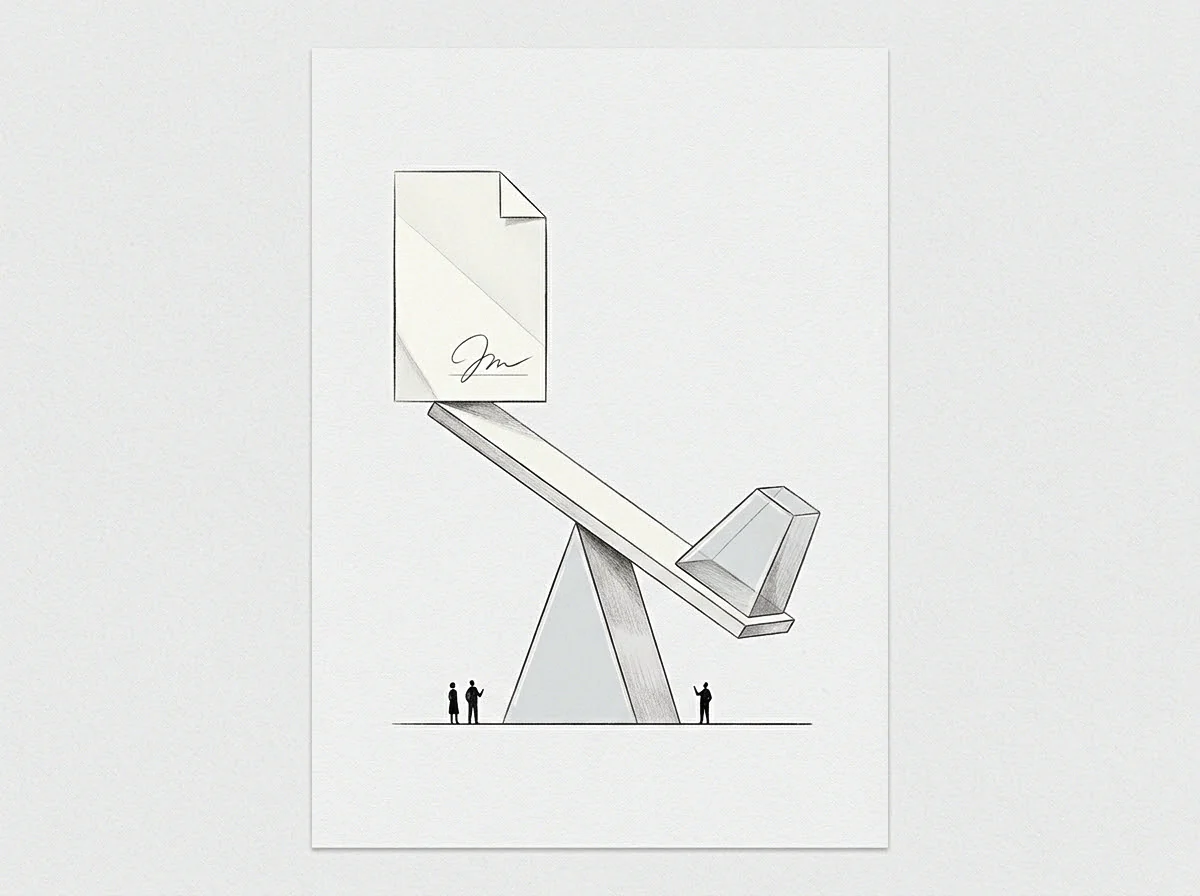
Systematic variances describe the slow and often unnoticed movement of a system away from its original design or safety limits. Procedural drift happens when people modify their work habits to accommodate local pressures or efficiencies that the formal rules do not address. It creates a difference between the work as imagined by managers and the work as actually performed by staff.
The drift continues until a failure occurs or a comprehensive audit realigns the practice with the protocol.
Incremental Change
Small deviations from the standard are rarely caught because they do not cause immediate harm. This procedural drift is often the result of employees trying to do a better job with limited resources. They find shortcuts that work in the moment, and these shortcuts eventually become the unofficial way things are done.
Over months or years, the cumulative effect of these tiny changes is a system that looks nothing like the one described in the manual.
Safety Margin
Every formal process includes a buffer designed to handle unexpected events. As procedural drift reduces these buffers to save time or effort, the organization becomes more vulnerable to rare but severe accidents. The people involved often feel safe because nothing has gone wrong yet, but they are operating closer to the edge of the cliff.
This false sense of security is the most dangerous aspect of the phenomenon.
Organizational Learning
Reversing the movement toward chaos requires an environment where staff can talk openly about how they actually work. Management must understand the reasons for the procedural drift before they can fix it. Simply demanding that people follow the old rules often fails because the old rules might be impossible to follow under current conditions.
A better approach is to update the procedures to show the reality of the field while keeping the necessary safeguards. This continuous adjustment keeps the firm agile and safe. It is a constant battle against the natural tendency of systems to decay.