Meaning
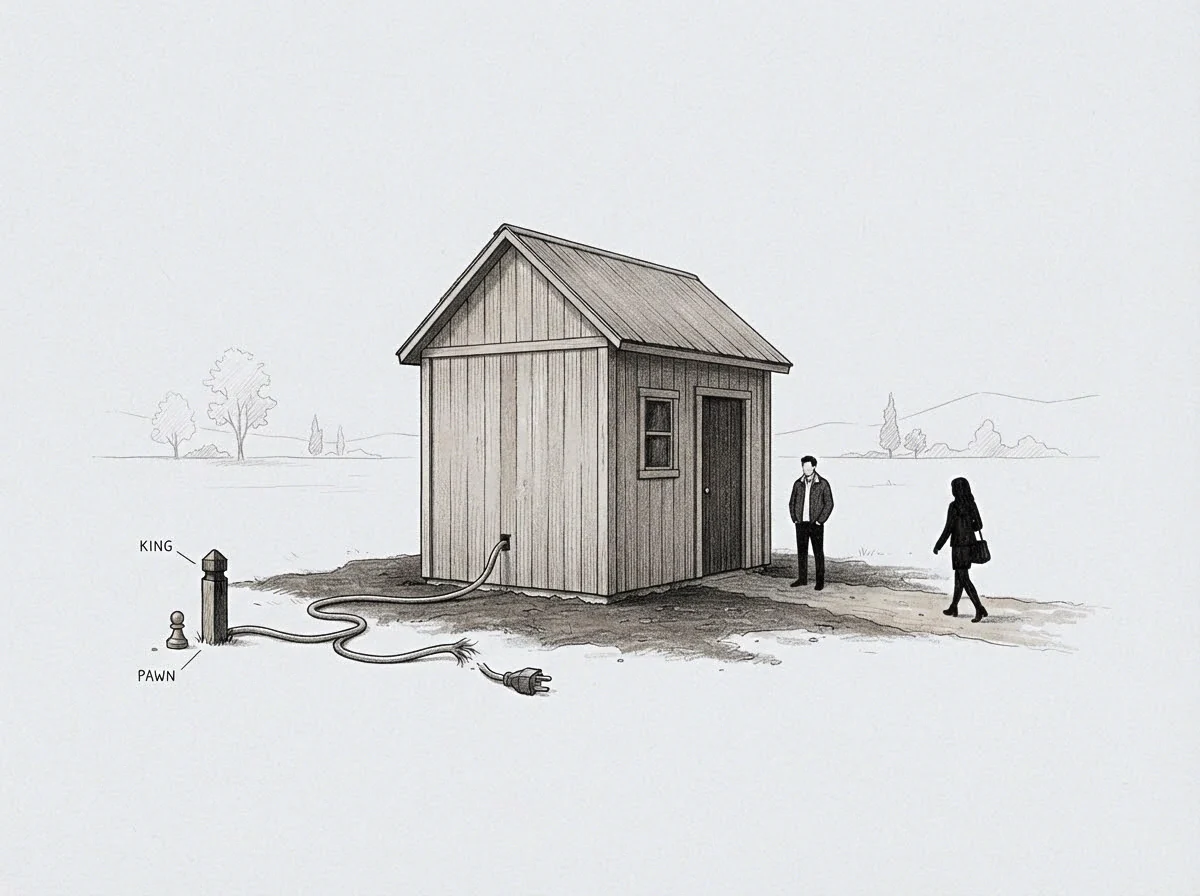
Disengagement strategy involves the deliberate reduction of personal capacity, time and cognitive dedication by a collaborator to prevent individual burnout or exploitation under unbalanced working conditions. Initiating protective withdrawal limits personal operational exposure when an enterprise demands uncompensated contributions that exceed formal agreements. This behavioural retreat regulates individual energy preservation within dysfunctional partnerships, but it stops applying when formal separation occurs or when contractual incentives realign to match actual inputs.
Capacity Reduction
Founders and early personnel withdraw discretionary effort by strictly observing bare minimum contractual duties, refusing uncompensated evening tasks and withholding spontaneous strategic ideas. Engaging in protective withdrawal functions as an informal defense against unilateral exploitation where formal renegotiation seems unavailable. The individual reduces physical availability, delegates difficult assignments and curbs emotional engagement to safeguard personal wellbeing against structural imbalance.
Organizational Erosion
Unannounced effort curtailment reduces organizational momentum and damages mutual accountability among peers. While the disengaging individual protects personal reserves, remaining collaborators absorb operational deficits, producing sudden team bottlenecks and missed execution milestones. Unaddressed capacity reduction signals the breakdown of psychological contracts, transforming collaborative ventures into adversarial workspaces where participants preserve personal assets rather than generate collective output.
Formal Resolution
Restoring organizational velocity requires either revising formal equity and compensation arrangements or executing an orderly separation. Unilateral conservation of effort terminates when explicit contracts balance expected operational capacity with proportional economic ownership.