
Reclaiming Lost Operational Capacity Following Unilateral Capital Structure Changes
Unilateral capital restructuring destroys discretionary operational capacity by breaching tacit psychological bargains, requiring explicit terms to restore agency.
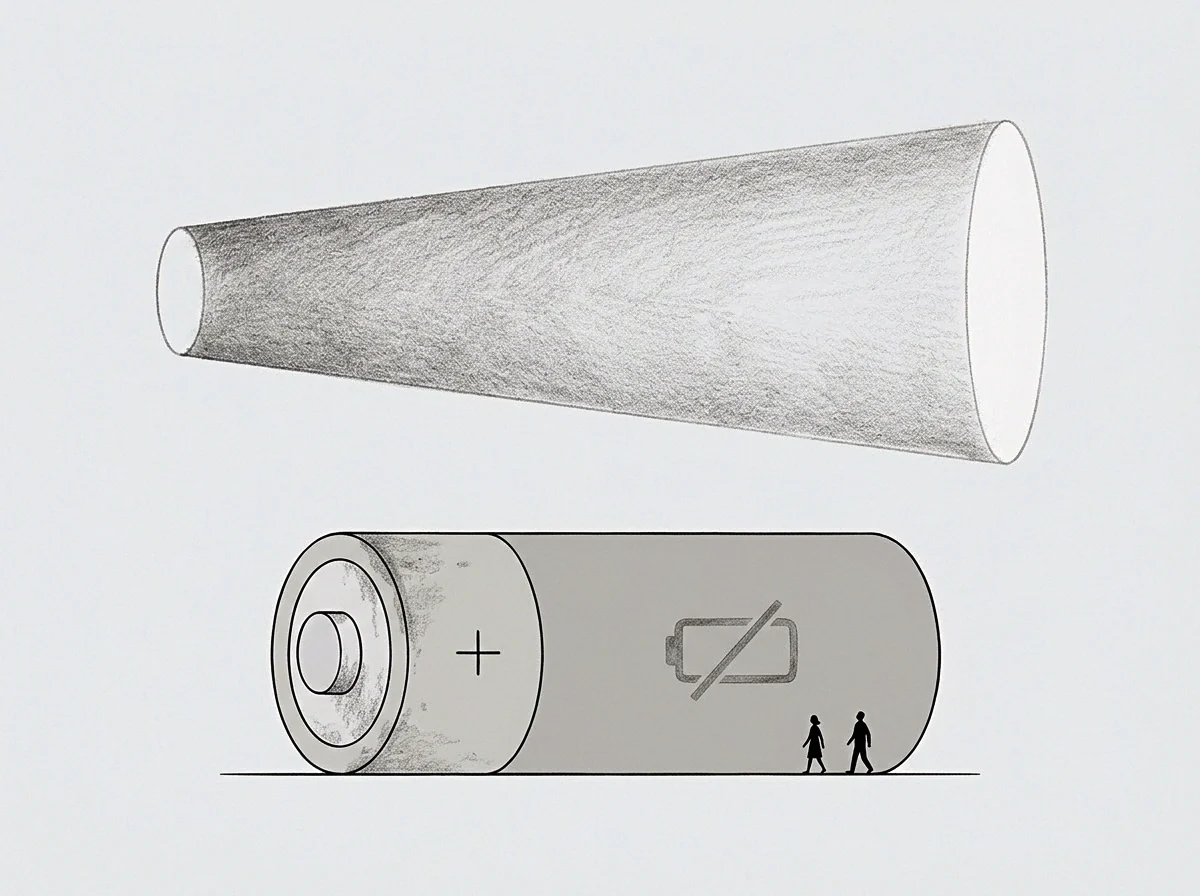
Drain
An operator opens an email notification at dawn to discover an amended capitalization schedule filed with the state registry. A senior investor converted bridge debt into preferred equity with punitive liquidation preferences, diluting common equity holders without prior operational assent. The morning schedule remains identical to the previous day: vendor invoices wait for approval, engineering sprints stall on architectural decisions, and two hiring candidates demand offers.
The cognitive reserves dedicated to uncompensated execution vanish immediately. That depletion appears quietly.
Early company building assumes surplus personal exertion delivered against equity upside. When an uncoordinated recapitalization cuts common shares or subordinates them beneath an insurmountable liquidation preference, that arrangement collapses. The understanding that sustained seventy-hour workweeks dissolves.
The operator remains at the desk, but the discretionary hours stop.
Uncoordinated capital reorganization instantly extinguishes the discretionary exertion that sustains daily operations.
Execution slows because every pending commitment now demands economic justification. An operator who once resolved logistical crises at midnight views those demands through the revised capitalization table. Unilateral recapitalizations turn invested partners into disaffected employees overnight, stripping out the goodwill that absorbs operational shocks.
When equity no longer reflects enterprise creation, routine business functions quickly stall.

Table
Physical board meetings following a structural recapitalization reveal the altered division of commercial authority. Corporate documents define capital classes, yet physical desks bear the daily friction. A dominant shareholder commands preference distributions from a distant office while on-site managers oversee degraded production schedules.
The conference room becomes an arena of disputed responsibilities.

Redistribution of Corporate Allocations
Capital restructuring alters the count and shifts daily operational risk. Investors who inject senior capital frequently assume operational cadence continues uninterrupted by legal filings. On the ground, the operational engine hesitates.
The practical consequences of unilateral financing shifts vary across enterprise dimensions.
| Enterprise Function | Cooperative Capital Stance | Unilateral Restructuring Impact |
|---|---|---|
| Vendor Negotiations | Personal guarantees offered freely | Strict adherence to corporate liability |
| Critical Incident Response | Unmetered weekend labor | Contractual response windows only |
| Executive Recruitment | Equity pitch based on common upside | Fixed compensation demands from candidates |
| Product Direction | Long horizon architecture bets | Short cycle transactional deliverables |
The operational team halts voluntary resource subsidies when ownership shifts without bilateral agreement. When equity upside disappears beneath senior preference tiers, founders decline personal financial exposure. The team refuses personal loans to cover payroll gaps.
- Uncompensated overtime elimination withdraws weekend availability across engineering and product departments.
- Refusal of personal guarantees forces institutional lenders to demand cash collateral that early ventures lack.
- Narrowed decision autonomy returns all ambiguous commercial agreements directly to senior board members for protracted review.
The investor position treats paper share adjustments as independent of operational commitment, while the operator ties operational exertion directly to common equity upside.
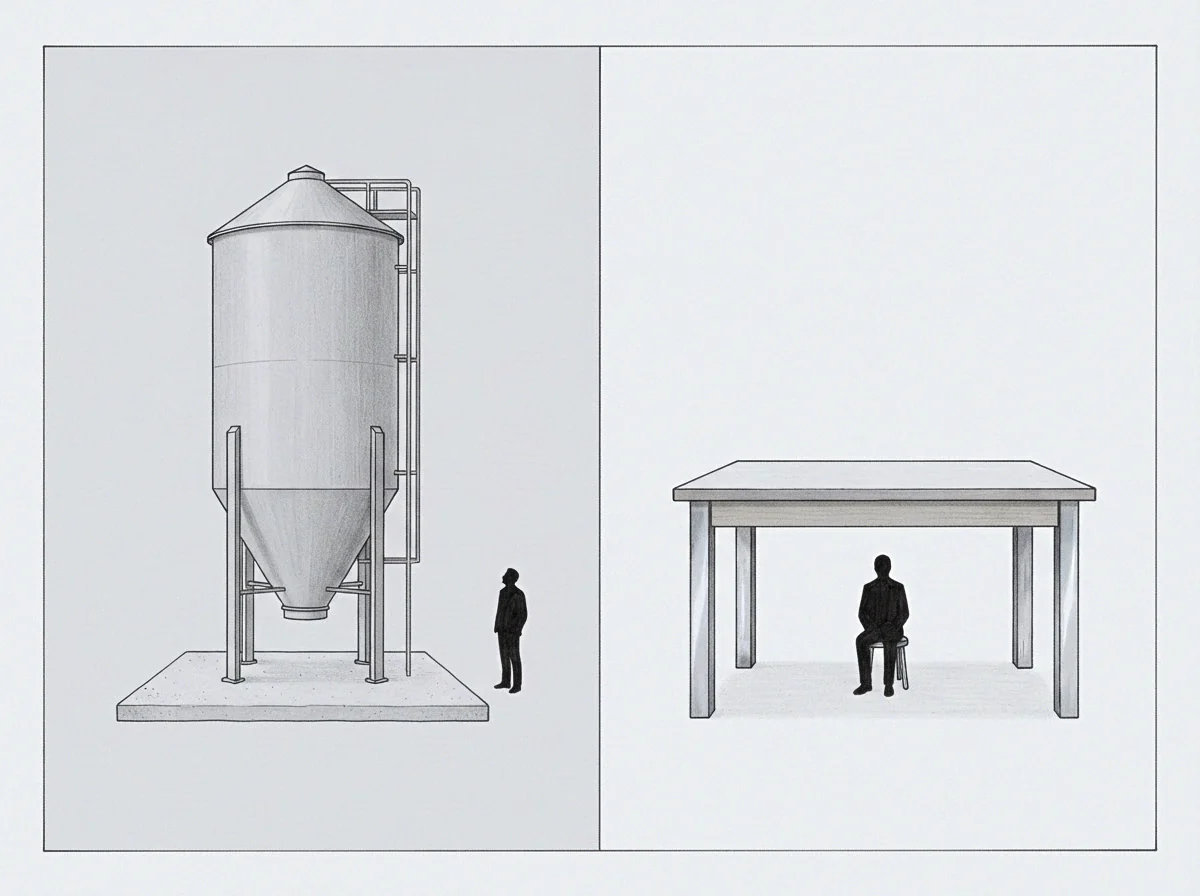
Scope
Restoring operational capacity demands an objective evaluation of remaining resources and contractual duties. An operator cannot run an enterprise using conventions developed before an ownership dilution occurred. The enterprise must operate strictly within its funded boundaries.

Sequential Operational Inventory
A systematic review reveals where capital structure changes degraded execution capacity. Assume an operator holds twenty percent of common equity that was compressed to three percent through an internal round with a five-times liquidation preference. The operator contributed forty hours of unpaid management weekly under the unwritten assumption of future liquidity.
Restoring agency requires mapping every operational dependency to its explicit contractual compensation.
- The operator lists every active commitment performed outside employment agreements.
- The operational team calculates the market rate for each uncompensated management role.
- The governance representative presents the gap to the board as an operational budget variance.
- The operator adjusts daily working hours to match funded compensation terms.
Industrial machinery halts when operational voltage drops below threshold values, regardless of factory ownership disputes. Human operational capacity follows identical constraints. When ownership dilution drops compensation below market thresholds, cognitive output shrinks to formal contractual parameters.
Unstated contributions cease the moment capital structure alterations invalidate the tacit equity bargain.
Field research in organizational psychology confirms that psychological contract violation generates measured reductions in organizational citizenship behaviors. Investigators established this correlation across professional service environments where employees held unwritten equity expectations. Whether an executive team can maintain baseline software delivery speeds when compensation drops below market alternatives remains undetermined under protracted corporate disputes.
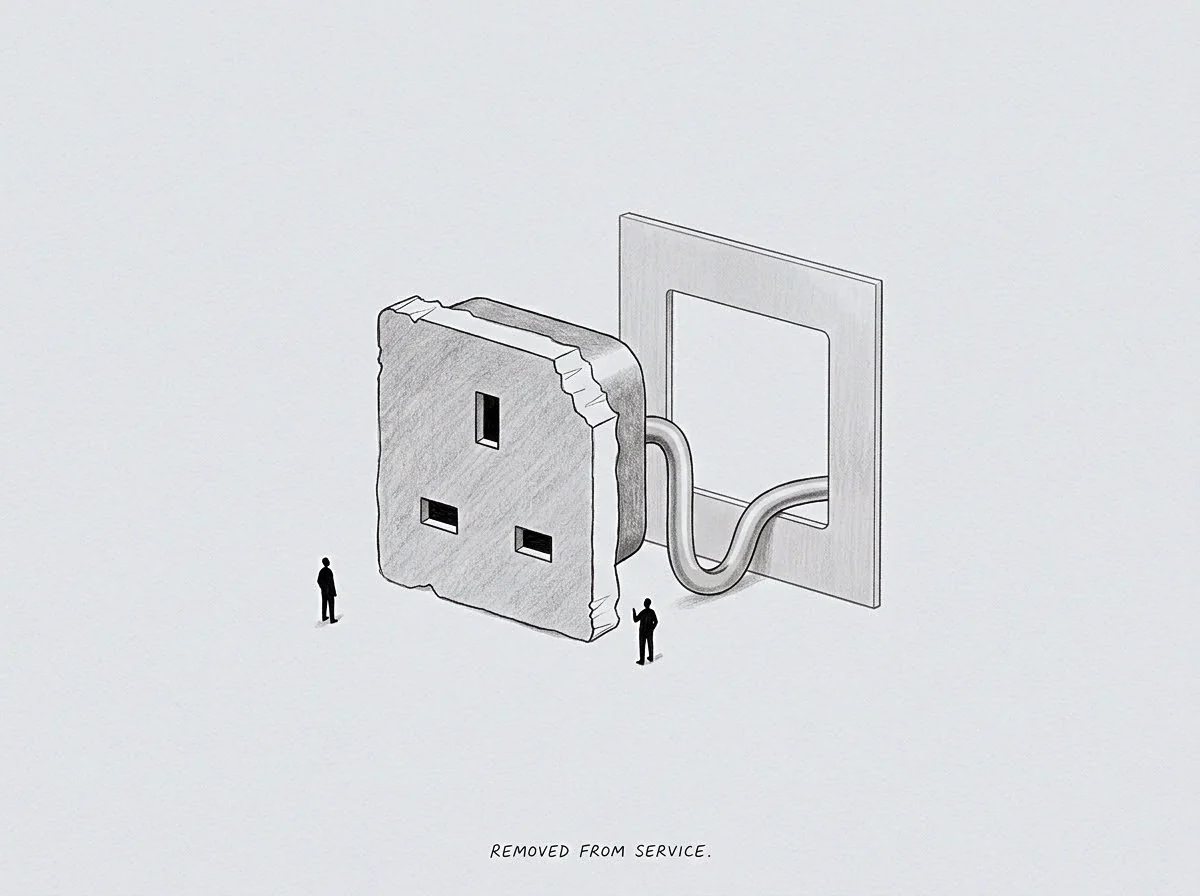
Term
A single declarative condition restores clear boundaries when informal cooperation fails. Operators often attempt prolonged negotiations to reverse unfavorable equity dilutions. Stating a clean operational boundary accomplishes what drawn-out arguments cannot.
A stated limit establishes what the operator will deliver for existing compensation.

Is Reclaimed Operational Agency Viable Without Recapitalization?
Work scales down to match explicit legal agreements. An operator can preserve operational effectiveness by abandoning uncompensated generalist duties and focusing on core contractual outputs. This tactical reduction returns the burden of enterprise growth back to the majority capital holders.
A term stated once defines operational parameters far more effectively than daily emotional boundary defense.
The operator states: execution capacity matches cash compensation at standard market rates, with emergency operational interventions excluded. The sentence is delivered once in writing without additional commentary. Its delivery ends uncompensated late-night triage.

Stance
The final operational posture settles into calm precision. When an operator stops absorbing enterprise risks created by outside capital holders, the organization reveals its genuine financial state. Overhead increases because previously free labor requires funded payroll.
Executive leadership moves from sacrificial commitment to professional execution.
The operator maintains focus on contractually defined deliverables during formal working hours. Peripheral operational fires burn until the board allocates capital to extinguish them. This disciplined detachment protects attention and hours while exposing structural gaps to those who engineered the recapitalization.
Capacity returns to the person, even if the enterprise faces economic friction.
Operational clarity arrives when execution matches written agreements instead of unstated loyalty.
Operational capacity follows explicit compensation contracts rather than speculative equity returns.