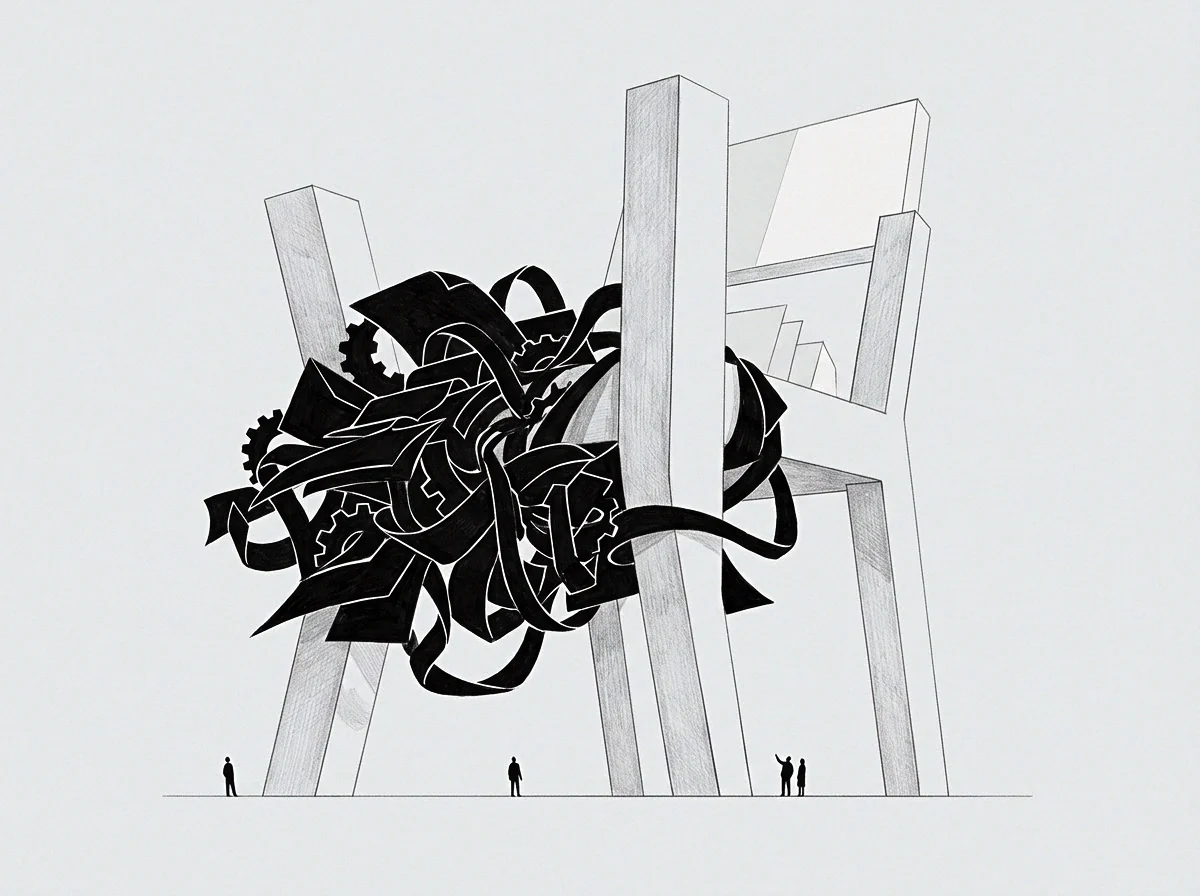
Meaning
Shifting the financial consequences of a potential loss to another party provides a method for managing uncertainty. This is often achieved through insurance or specific contractual clauses. The goal of risk transfer is to ensure that if something goes wrong, the cost is borne by the party best equipped to manage the situation.
The mechanism changes the allocation of the financial impact without eliminating the underlying danger.
Liability Shift
Contracts can be used to move responsibility from a founder to a vendor or partner. If a supplier fails to deliver a part, a well-written agreement ensures they pay for the lost revenue. This protects the core business from the failures of its partners.
Such risk transfer is a standard part of any professional service agreement.
Insurance Application
Buying a policy is a frequent method to move a potential loss off the company books. The firm pays a regular fee in exchange for the insurer’s promise to cover large, infrequent losses. This turns a variable and dangerous cost into a predictable expense.
Regular risk transfer is an essential tool for protecting assets and staff.
Contractual Certainty
Clear language prevents disputes when a loss occurs. By defining exactly which party is responsible for which event, risk transfer reduces the need for expensive litigation. It provides a roadmap for what happens during a crisis.
This clarity is valuable for both the buyer and the seller.