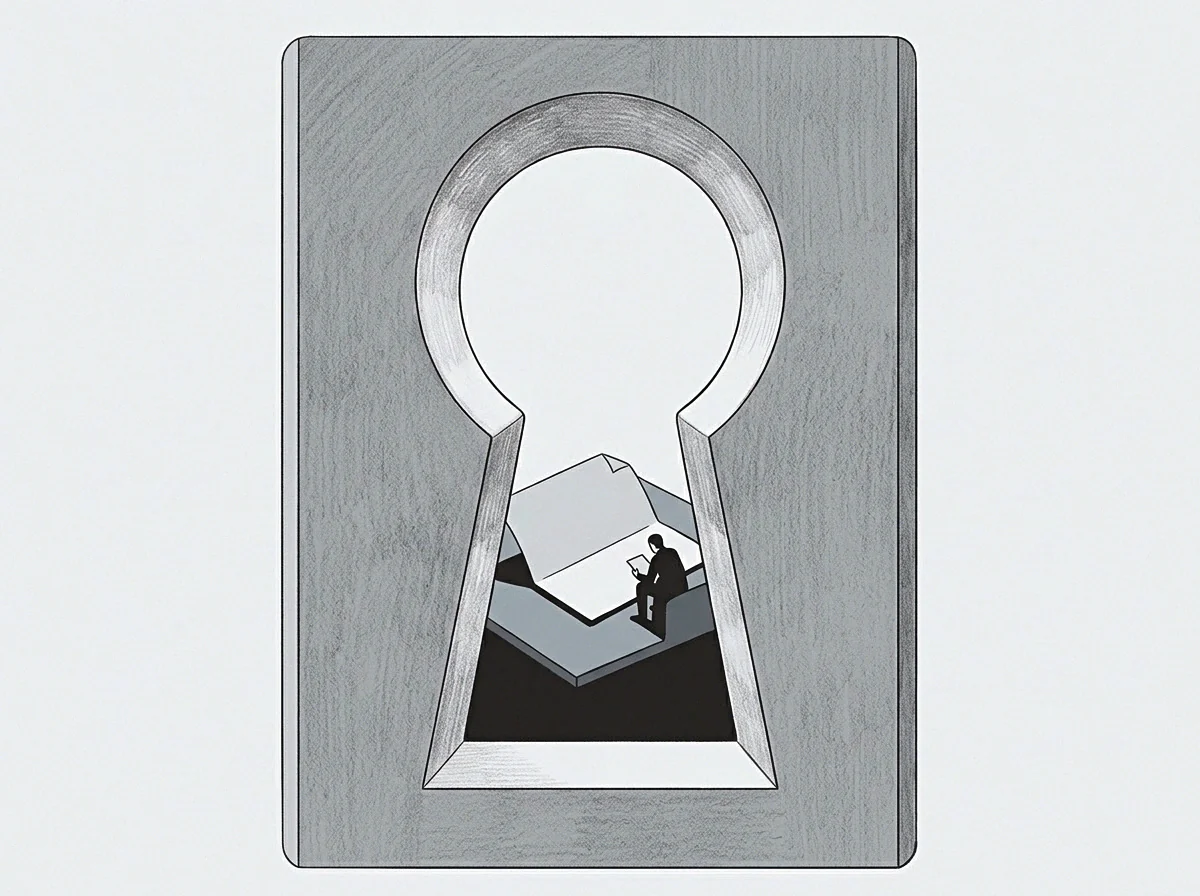
Meaning
Unrecorded modifications to the working environment or job expectations cater to the specific needs of influential individuals without changing official policy. Shadow accommodations are the unspoken adjustments made to an individual role and compensation that are kept hidden from the broader workforce to avoid setting a precedent. These arrangements allow a leader to retain an essential employee who might otherwise leave, or to keep their own involvement at a level that suits their personal life.
They govern the private side of the employment contract where individual value is traded for non-standard flexibility. The practice ends when the accommodation is discovered by the public or when the individual leaves the role.
Hidden Provision
Delivery of these benefits often takes the form of unlogged time off or access to company assets for private use. While the giver maintains a valuable relationship, they pay a cost in capacity spent on risk management regarding legal or internal backlash. The receiver gains a better quality of life but must keep the arrangement a secret.
Cultural Distortion
Inequality begins to fester when a small group of people receives treatment that is unavailable to the rest of the team. If shadow accommodations become widespread, they undermine the formal rules and create a culture of favoritism. The boundary is reached when the lack of transparency leads to a measurable drop in team morale.
Discretionary Power
Using these private deals allows a leader to handle unique situations with nuance. It provides a way to manage humans as individuals.