Meaning
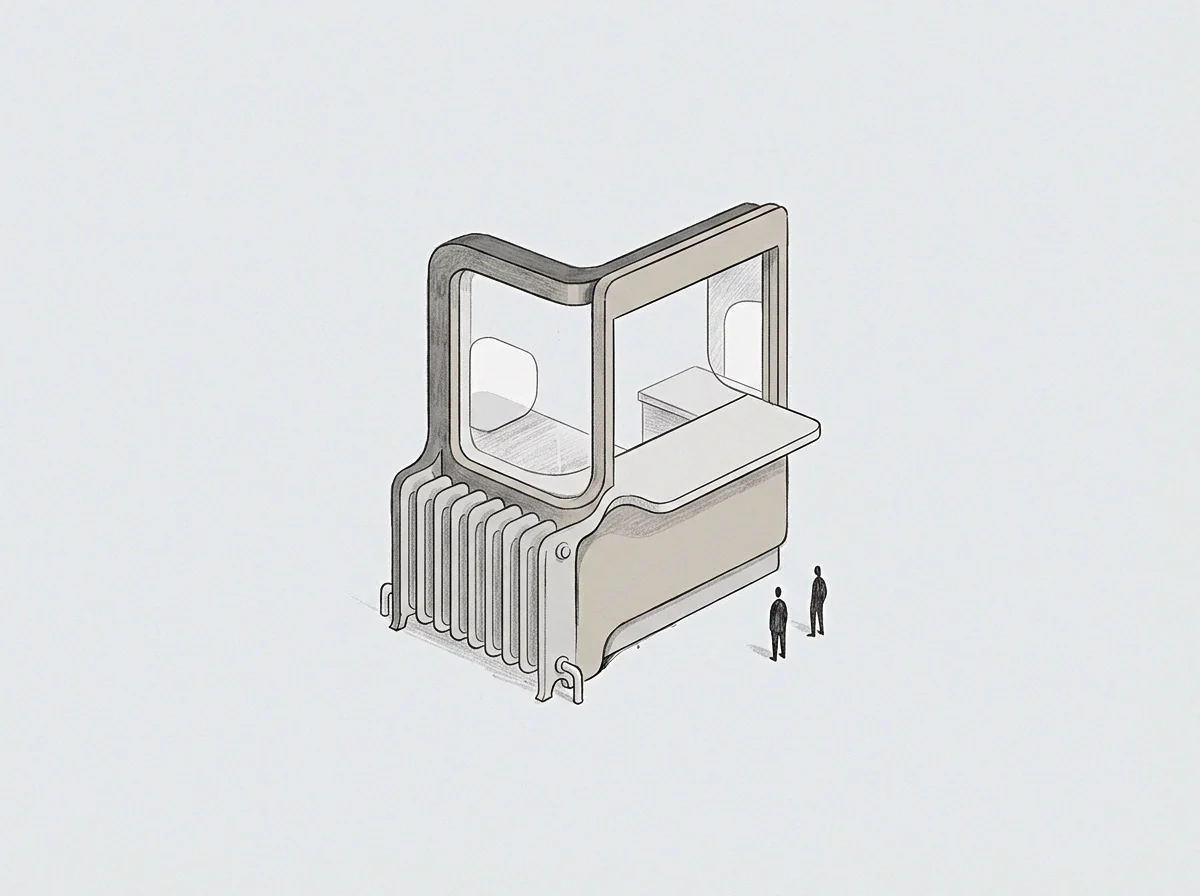
Implied license doctrine describes a legal provision governing intellectual property created by workers using employer resources. Shop rights allocate a nonexclusive privilege to practice an invention without paying royalties when the creator used company time or facilities. This immunity protects the commercial entity from infringement claims by the former employee who retains formal title to the patent.
The agreement operates as an unwritten condition of employment rather than a negotiated assignment of ownership. Jurisdiction limits apply where the creation falls entirely outside the scope of duties or relies on private funding.
Resource Allocation
Creation requires tangible inputs from the employer such as specialized machinery or workspace access. Production overhead functions as the economic exchange supporting the license grant. Employers absorb operational expenses during development without securing exclusive rights to market the resulting technology.
Creators invest personal hours and technical expertise while surrendering sole control over commercial deployment. This division prevents double recovery where the worker uses company assets yet retains all upside from the resulting monopoly.
Title Retention
Patent assignment remains distinct from the implied privilege because legal ownership stays with the individual creator. Inventors retain the capacity to license the same technology to third parties or found competing enterprises. Commercial entities hold authority to practice the innovation internally or through contractors without transferring the underlying patent document.
This structural split distinguishes the arrangement from standard employment agreements that mandate absolute assignment of all intellectual output. Subsequent commercial exploitation by the creator proceeds independently of the employer license.
Boundary Determination
Jurisdictional limits separate general duties from independent research conducted outside company hours. Courts examine whether the creator used specific facilities designated for development tasks or relied on ordinary office supplies. Employer contributions must directly facilitate the invention process rather than provide general compensation.
Disputes arise when the exact contribution of company resources remains ambiguous during the prototype phase. Resolution depends on documenting the specific hours and equipment utilized before the filing date.