Meaning
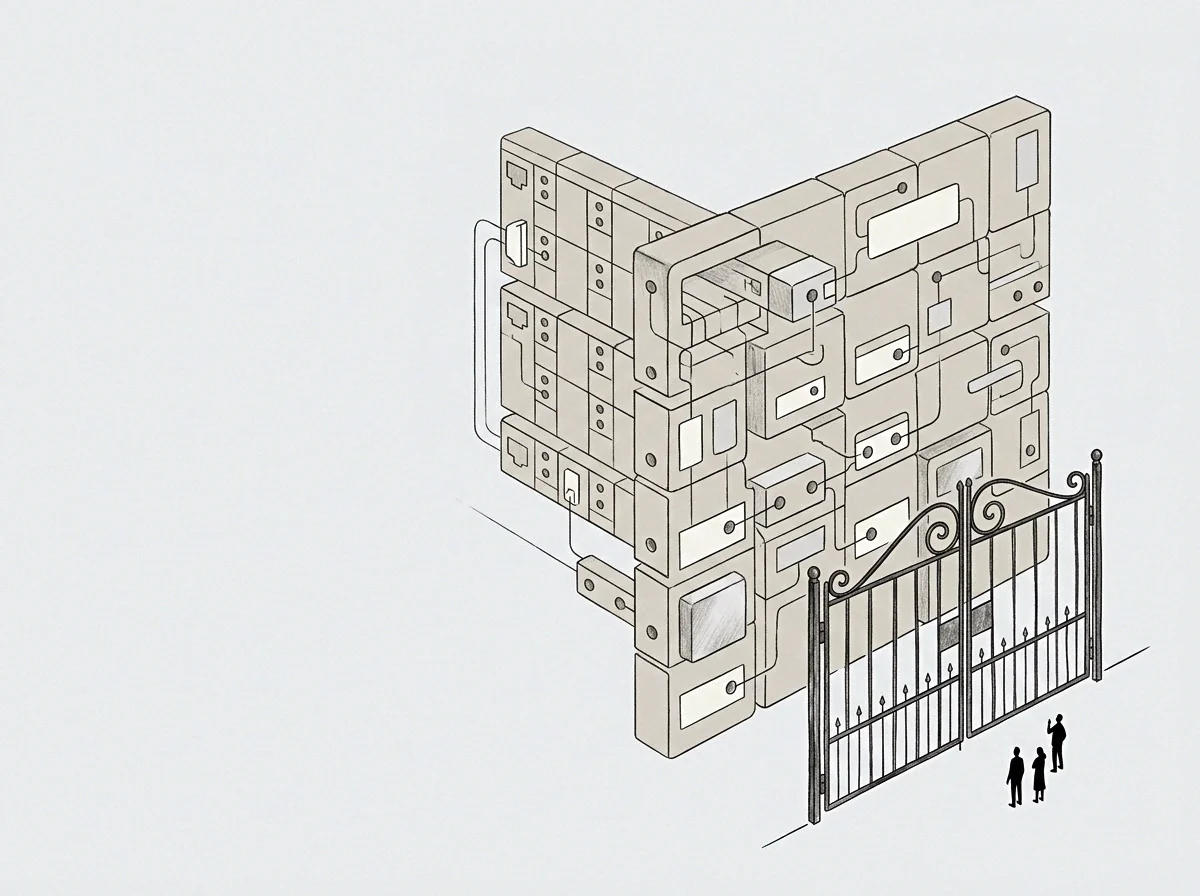
Equity apportionment defines the traditional practice of fixing cofounder ownership percentages into permanent, unvarying ratios at the earliest moment of business incorporation. Typically executed as equal or near-equal divisions among initial collaborators, a static split relies on speculative assumptions regarding future performance, loyalty, and market traction. The arrangement assumes that all participating founders will contribute identical value over prolonged corporate lifecycles, offering minimal flexibility to accommodate subsequent divergences in actual operational contribution.
The arrangement remains legally permanent unless modified by unanimous voluntary shareholder renegotiation or structured share repurchase provisions.
Structural Rigidity
Early cofounders frequently divide initial share capital equally during incorporation to avoid immediate awkward interpersonal negotiations and preserve transient team harmony. Over subsequent developmental cycles, however, the commercial landscape evolves, exposing significant differences in founder competence, personal commitment, and strategic utility. One founder may lead corporate fundraising, develop core technology, and work relentless schedules, while another founder contributes marginally or departs prematurely with a permanent, unvested equity block.
Because ownership ratios remain fixed by statutory contract, the active founder cannot legally adjust the equity structure to reflect the reality of current operations. The resulting imbalance creates structural deadweight on the capitalization table, repelling prospective institutional investors who refuse to fund ventures where dormant founders own outsized equity blocks.
Capitalization Penalty
Extreme strategic penalties fall upon the operational founders, who suffer long-term economic dilution while generating enterprise value that disproportionately enriches a disengaged peer. The company incurs substantial legal expenditures, advisory costs, and corporate delays attempting to repurchase or dilute the inactive equity holder. Frustration and demotivation drain active leadership, occasionally prompting active founders to abandon the corporate entity entirely to start anew.
Contractual Modernization
Forward-looking corporate charters replace rigid division habits with four-year vesting schedules, milestone-driven equity allocations, and dynamic capitalization frameworks. Modernizing away from an unvested static split insulates the corporate structure against premature departures, ensuring that ongoing equity ownership remains contingent upon active commercial execution.