Meaning
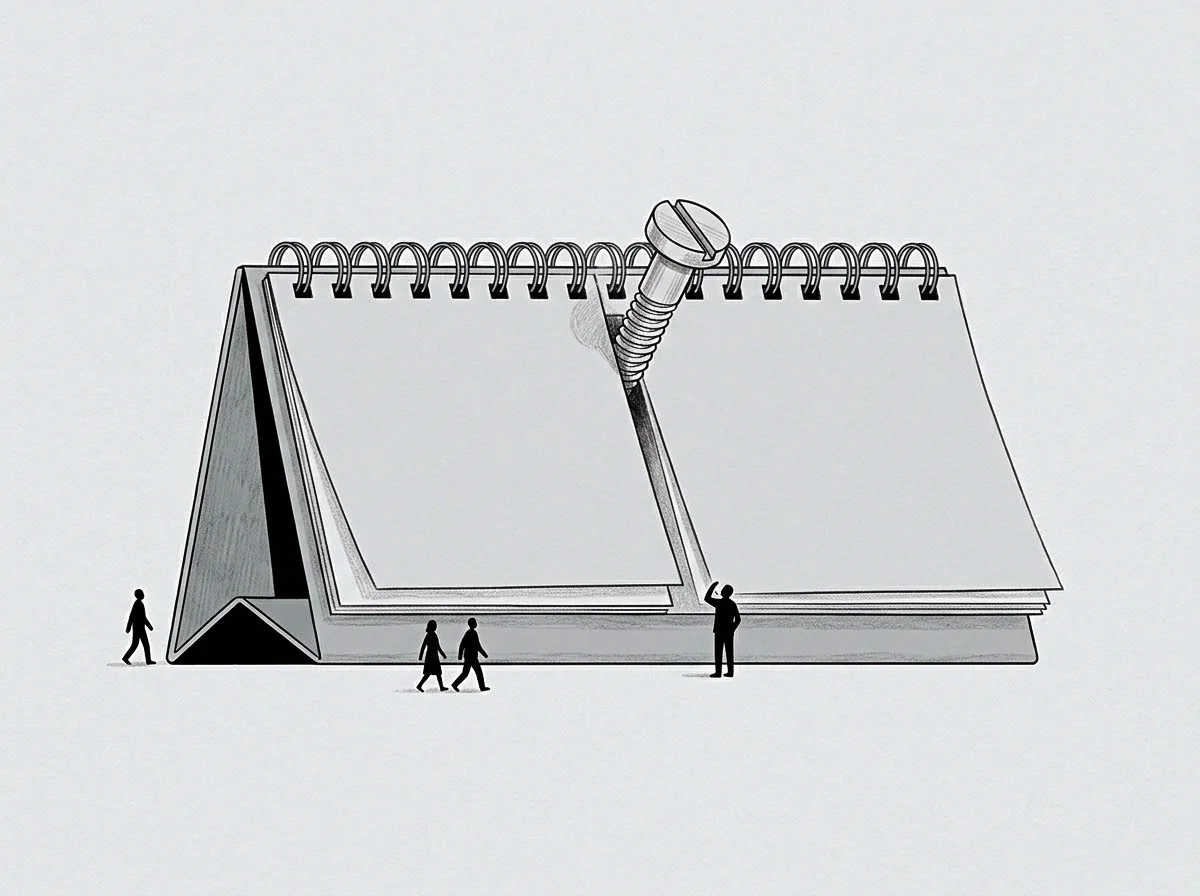
An organizational vulnerability arising from reliance on informal processes or centralized authority creates systemic risk when key individuals depart. In corporate organization, structural fragility identifies the susceptibility of a firm to operational disruption when founder knowledge and execution authority lack formal documentation. This vulnerability persists until institutional routines replace individual dependencies.
Vulnerability Source
Undocumented workflows and uncodified decision authority create severe operational risks during leadership transitions. When key business processes reside entirely within a single founder’s personal habits rather than standardized manuals, structural fragility leaves the enterprise exposed to immediate disruption upon executive exit. Supplier arrangements and internal communication paths break down if no successor understands the underlying mechanics.
Addressing these reliance points requires systematic process mapping and authority delegation before leadership transitions occur, converting implicit founder knowledge into durable organizational assets.
Operational Disruption
Lacking formal systems slows operational execution when core personnel exit. Because structural fragility impairs knowledge transfer, remaining teams face delays in fulfilling client obligations and executing routine tasks. These operational slowdowns weaken commercial stability during corporate transitions.
Institutional Resilience
Establishing codified policies and cross-trained leadership teams mitigates single-point dependency risks. Eliminating structural fragility ensures that corporate operations continue smoothly regardless of individual departures. Systematized processes convert personal knowledge into permanent corporate assets.