Meaning
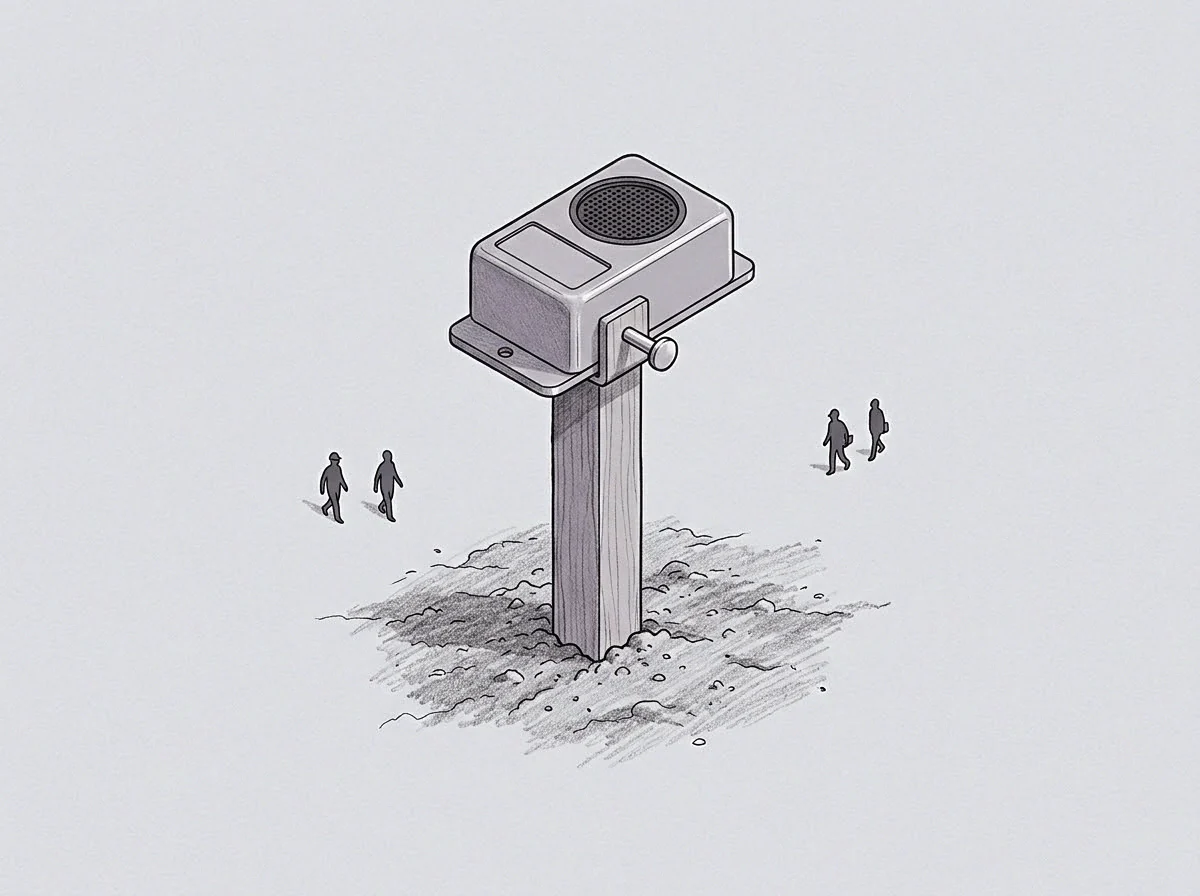
An investment of labor, expertise, and time is made by individuals to build an enterprise without receiving immediate market-rate financial compensation. This unpaid effort, referred to as a sweat contribution, is typically performed in exchange for equity ownership or the promise of future financial returns once the company secures funding. It represents the primary source of capital for early-stage startups that lack the resources to hire professional services.
This contribution establishes the initial value of the enterprise before external investors arrive.
Equity Valuation
Translating hours of work into corporate shares requires a clear agreement on how to value non-monetary effort. When a sweat contribution is recognized, founders must assign a fair market value to the services provided and convert that value into stock. This process prevents disputes regarding ownership percentages by ensuring that early team members are compensated proportionally to the risk they assumed.
It helps the company maintain a clean cap table that satisfies future investors.
Performance Tracking
Measuring the value of non-monetary work requires rigorous documentation of hours and deliverables. Teams often use tracking software or milestone agreements to ensure that each sweat contribution is recorded accurately. This practice removes ambiguity and ensures that equity is awarded based on actual achievements rather than vague promises.
Conflict Resolution
Disagreements frequently arise when early contributions are not formally documented. Without a written agreement, participants may have different expectations regarding the amount of equity their sweat contribution deserves. This confusion can lead to legal disputes that disrupt operations and deter potential investors.
Resolving these issues requires the board to retroactively value past labor and negotiate formal settlements. Establishing clear vesting schedules and equity agreements at the beginning of the venture is the most effective way to prevent these challenges.