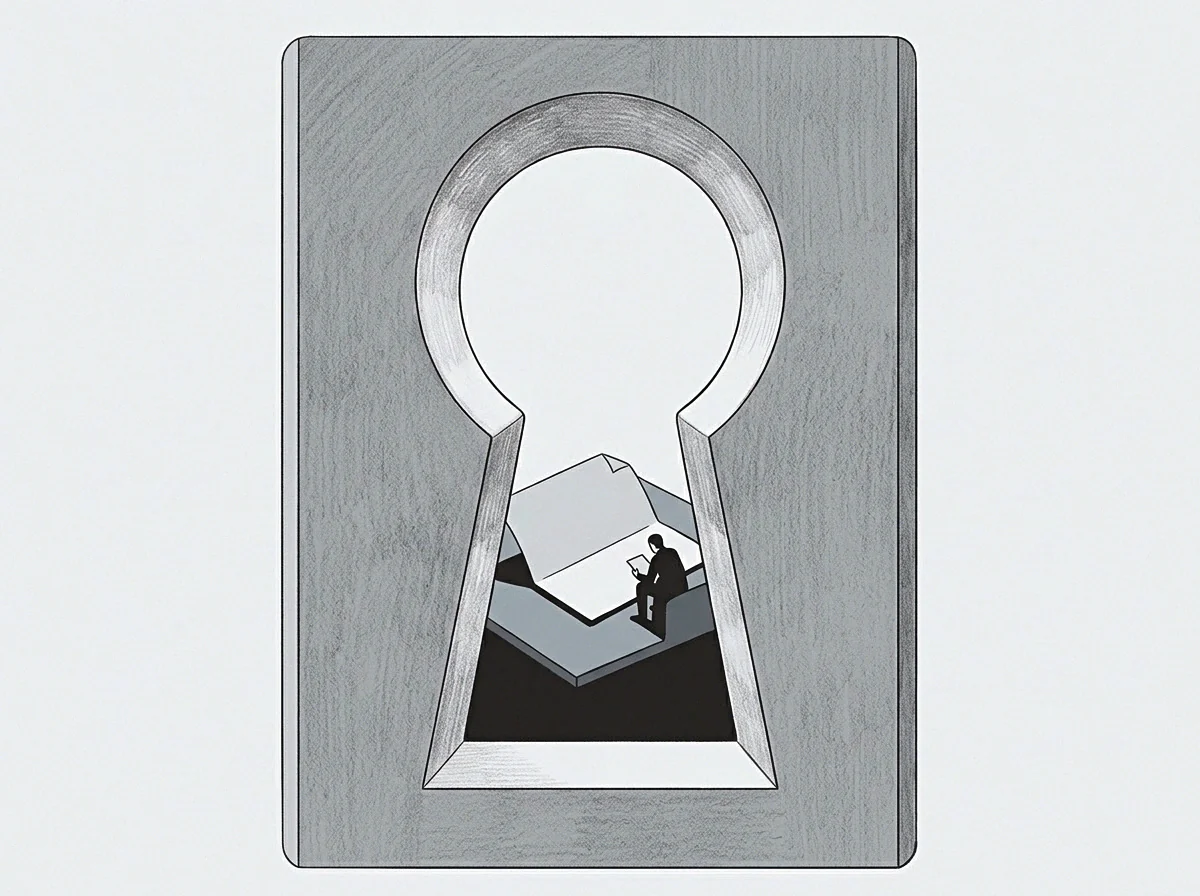
Meaning
Ongoing exchanges of behavior and silence allow parties to adjust their relationship without ever discussing the terms of the change. Tacit negotiation is a process of trial and error where two people find a new balance of power through actions rather than words. This often occurs between a predecessor and a successor where both sides test how much influence the original leader still holds and how much the new executive is willing to concede.
It governs the unspoken boundaries of authority in a transitioning leadership team. The negotiation ends when the behaviors stabilize into a predictable routine or when a conflict forces a formal conversation.
Behavioral Exchange
Feedback is provided through cooperation or resistance. A leader might stop attending certain meetings and watch to see if the new leader fills the gap effectively. The cost is the high mental load of constant interpretation.
Status Equilibrium
Stability is reached when both parties feel the current arrangement is fair enough to continue without a confrontation. This state is often fragile and can be disrupted by a sudden market change or a new hire. The primary boundary of tacit negotiation is the point where a misunderstanding causes a measurable operational failure.
Implicit Agreement
Most of the rules that govern a company are never written down. They are the result of these quiet exchanges between individuals.