Meaning
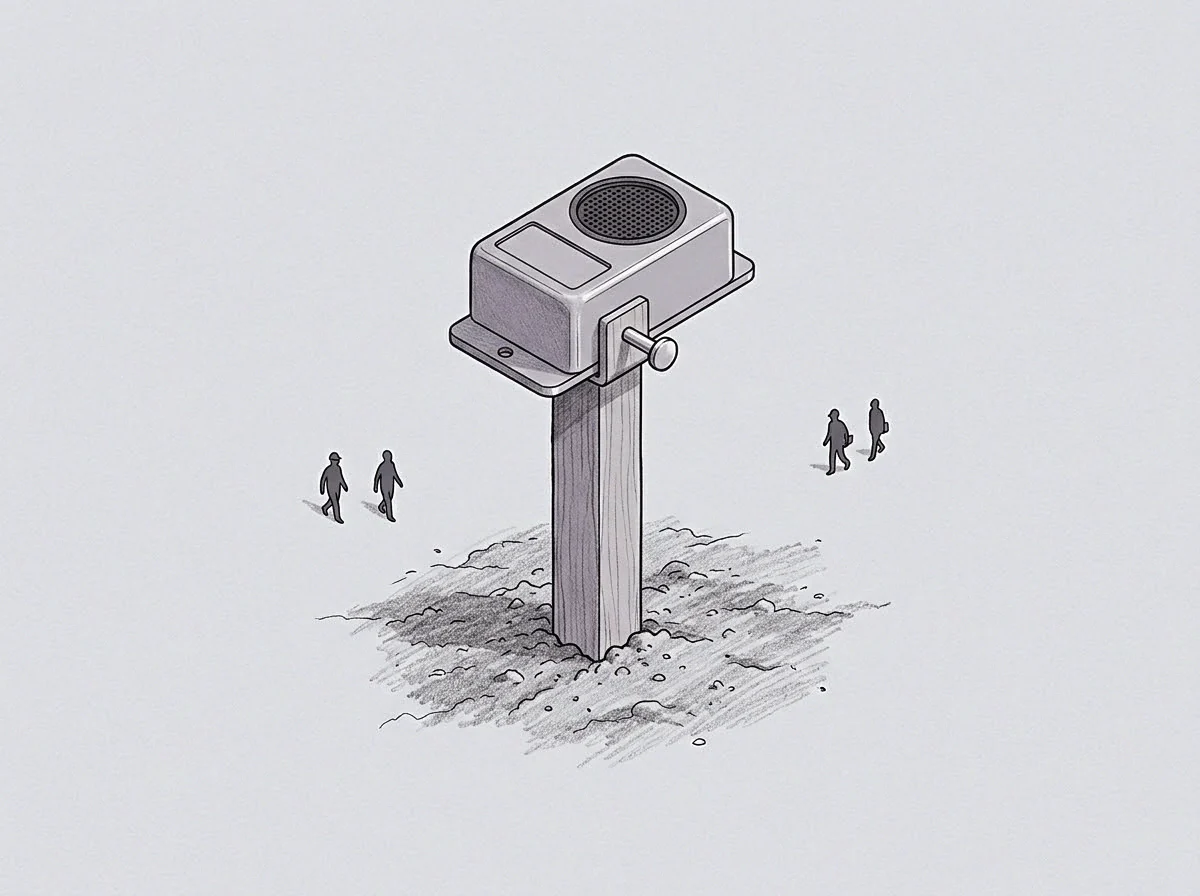
Task collision identifies the simultaneous arrival of two or more independent work requests that compete for the exact same block of attention or organizational resource. This state exists when a founder or team member faces multiple competing demands that physically block the execution of a singular, linear workflow. The condition stops applying when a clear prioritization protocol resolves the queue or when the resource itself expands to accommodate the volume.
Resource Competition
Divergent demands force a measurable loss of focus as the mind shifts between disparate operational goals. Switching costs mount when these occurrences happen frequently because the cognitive load of re-orienting to a new project consumes the surplus capacity that would otherwise support deep work. Managers often find that small, high-frequency interruptions act as the primary driver of this drain on productivity.
Operational Frequency
Regular audits of calendars and project management logs show that the density of these events predicts the sustainability of a startup team. High counts of these incidents force a shift from deliberate product development toward reactive administrative maintenance. Teams that fail to segment their communication channels experience a higher rate of these events, which keeps the total output of the organization below its potential capacity.
Structural Resolution
Preventive measures include the creation of dedicated time slots for asynchronous updates to remove real-time interruptions. Establishing a clear hierarchy of project importance allows for the instant rejection of low-value requests when an urgent requirement arises. Robust systems for status reporting ensure that information flow occurs without the need for manual check-ins that trigger these moments of friction.
A reduction in the frequency of these overlaps serves as a primary metric for the maturity of an internal management system.