
Quantifying Cumulative Gross Margin Erosion From Procedural Drift In High Growth Scale
Unstated procedural workarounds substitute unbilled human labor for fixed software logic, eroding gross margin by compounding small operational exceptions across customer cohorts.

Scope
An operational queue in a high-growth company reveals the initial tension between fulfillment speed and cost discipline. When customer acquisition accelerates, software automation often lags behind sales promises. Technical account teams routinely bridge this distance through manual data transformations, custom server configurations, and off-book integration fixes.
Management metrics treat this manual labor as temporary onboarding assistance, categorizing employee compensation under sales support or general engineering expenditure. Direct gross margin calculations reflect only raw hosting charges and third-party vendor licenses, displaying an inflated performance ratio.

Operational Concessions Inside Fast Growth Queues
Engineering departments frequently absorb operational work items without logging direct fulfillment hours. Senior developers write custom background scripts to patch unformatted client feeds during setup phase. The customer experiences immediate functionality while the delivery organization incurs an unbilled labor charge.
Revenue masks the loss. Because payroll costs sit in standard operational expenditures, direct delivery costs appear low on primary financial schedules. Labor absorbs the gap.
Accounting structures hide this expense distribution during early expansion cycles. Standard reporting frames financial health around top-line expansion and gross retention rate. When operational employees perform repeated manual interventions to prevent account churn, unit margins look pristine while labor capacity narrows.
Margin decays in silence. The financial statement attributes rising overhead to corporate expansion rather than fulfillment debt.
Direct margin erosion accelerates whenever fulfillment labor is misclassified as general administrative overhead during rapid customer acquisition.
Reclassifying Disguised Labor Costs
Correct alignment demands reallocating off-book employee hours directly into cost of goods sold schedules. Measuring exact time expenditures spent on client setup, manual data ingests, and custom patch maintenance yields a distinct financial picture. Software companies targeting eighty percent gross margin often drop to fifty-five percent operational yield once direct human interventions enter fulfillment costs.
The baseline shifts lower.
Contractual commitments constructed without strict delivery definitions exacerbate this accounting distortion. Enterprise sales agreements routinely promise specialized workflows without attaching professional service fees. Implementation teams accept these tasks to prevent deal friction, creating long-term operational commitments.
Custom work goes unbilled. The initial revenue figure remains unchanged while the long-term operational burden multiplies across every new cohort.
Unchecked misclassification of direct fulfillment labor obscures true cohort unit economics, forcing late enterprise pricing resets that trigger severe customer churn.

Leakage
Off-book operational adjustments accumulate across client account management departments as standard operating procedure. When platform capabilities fail to support bespoke client expectations, team members construct informal workflows to retain account volume. These procedures bypass standard billing systems and operational tracking, creating unrecorded cost accumulation across execution teams.

The Accumulation of Off Book Workarounds
Informal accommodations scale alongside customer counts, multiplying human labor hours per active account. Support teams establish informal manual routines to bypass system limits, accepting technical debt to avoid customer conflict.
- Manual data transformation occurs when customer file formats bypass technical specifications, forcing support staff to spend six hours reformatting ingest files weekly.
- Unbilled engineering escalations arise as senior developers step in to handle daily data synchronization failures without recording professional services hours.
- SLA priority overrides grant immediate technical intervention to low-tier subscriptions outside contractual parameters, inflating direct support labor per unit.
- Custom feature maintenance persists for deprecated client requests, consuming dedicated infrastructure capacity and specialized labor indefinitely.

Contract Breach Through Covert Operational Labor
Relational dynamics inside delivery organizations foster an environment where unstated operational obligations displace contractual boundaries. Employees perform unbilled service work out of implicit professional pressure, attempting to shield customer relationships from product limitations. Off-book effort multiplies.
Management views high retention numbers as proof of product efficiency, unaware of the hidden manual labor sustaining client utility.
Social exchange patterns within growing companies systematically punish team members who enforce written operational parameters. Denying a client request for an unbilled integration creates immediate commercial friction, whereas accepting the task creates quiet operational drag. The variance compounds daily.
The organization accepts unbilled execution labor to avoid short-term tension, allowing operational scope to drift far beyond written contract terms.
A delivery term unstated during account setup converts future software maintenance into perpetual manual labor.
Unstated commitments operate as hidden operational bills that eventually demand real financial settlement. When software updates break custom manual workflows, delivery teams spend additional hours repairing unrecorded integrations. Fulfillment labor expands.
The total expense accrued handling these exceptions systematically reduces the net lifetime value of high-growth client cohorts.
The technical team agreed to handle that custom data structure during onboarding, so changing the workflow now breaks our established operational pattern.
Desk
An operator sitting at a workstation managing fifty enterprise accounts handles continuous custom requests throughout the business week. Over time, manual overrides displace automated platform processes as the primary mechanism for client satisfaction. Platform logs capture standard software events, but the operator’s private notes hold the actual procedures required to keep accounts operational.
The exception becomes baseline.

Where Does Procedural Erosion Become Unrecoverable?
Calculations comparing planned contract delivery against physical execution reveal severe margin degradation across standard enterprise accounts. The discrepancy stems from human labor filling gaps left by unbuilt product features.
| Delivery Parameter | Standard Stated Contract | Drifted Operational Execution | Gross Margin Impact |
|---|---|---|---|
| Onboarding Ingestion | Automated API ingest via standard schema | Manual formatting and script execution by engineering | Twelve percent drop in cohort gross margin |
| Integration Maintenance | Standard webhook connector support | Custom script adjustments for non-standard APIs | Eight percent increase in direct support COGS |
| Support Escalation SLA | Next-business-day ticket response window | Immediate real-time intervention for low-tier clients | Fifteen percent expansion in engineering payroll direct cost |
| Infrastructure Allocation | Shared multi-tenant database cluster | Dedicated compute instances provisioned without fee | Ten percent increase in direct hosting cost |

Quantifying the Shift in Cohort Economics
Tracking cohort profitability over four financial quarters illustrates how informal operational concessions compound over time. During quarter one, gross margins for a new customer group hover near target figures. By quarter four, accumulated custom modifications, manual ingest processes, and unbilled priority escalations push direct delivery expenses upward.
Yield drops across cohorts. Volume hides the leak.
Manual overrides granted to maintain onboarding momentum inevitably become permanent operational obligations.
The financial impact intensifies as customer account volume grows. Scaling customer count without standardizing operational processes multiplies total manual effort faster than subscription revenue grows. Overrides replace stated terms.
The organization expands fulfillment headcount linearly with account expansion, destroying the margin expansion expected from software platform models.
A delivery boundary defined in writing at kickoff holds its shape while an informal promise of support expands until capacity collapses.

Audit
Exposing hidden procedural cost requires systematically evaluating daily operational tasks against formal contract specifications. Organizations evaluate execution metrics to isolate manual labor spending hidden inside operational budget items. Identifying every unbilled task allows finance teams to realign operational expenses with true fulfillment categories.
Calculating the Realized Unit Delivery Penalty
Deriving the financial penalty caused by unpriced operational interventions follows a structured arithmetic sequence across active client portfolios.
- Measure direct time expenditures across account management, support, and engineering for specific customer cohorts over a ninety-day window.
- Reallocate off-book labor hours from operating expenditure categories directly into the cost of goods sold bucket.
- Subtract unbilled infrastructure overrides and custom pipeline compute charges from top-line cohort revenues.
- Compare adjusted cohort cost of fulfillment against contractual baseline expectations to reveal true margin erosion percentage.
Enforcing Stated Delivery Terms
Restoring target unit economics demands introducing explicit delivery terms before customer contracts are finalized. Replacing ambiguous service level promises with defined operational limits prevents informal scope expansion. The contract yields.
Stating precise technical boundaries forces sales teams to price custom requirements as professional services additions rather than unbilled operational defaults.
Transitioning from unstated assumptions to written delivery terms alters internal incentives across account management teams. When customer support departments evaluate operational costs against written service boundaries, unbilled workarounds drop immediately. Price remains fixed.
The organization establishes clear criteria for accepting custom work, protecting core product gross margins from procedural expansion.
High transaction volume masks unit margin degradation until fixed software capacity gives way to expanding payroll expenses.
Inserting a strict scope boundary clause into technical statements of work halts unbilled engineering labor and restores gross margin targets across enterprise contracts.
Toll
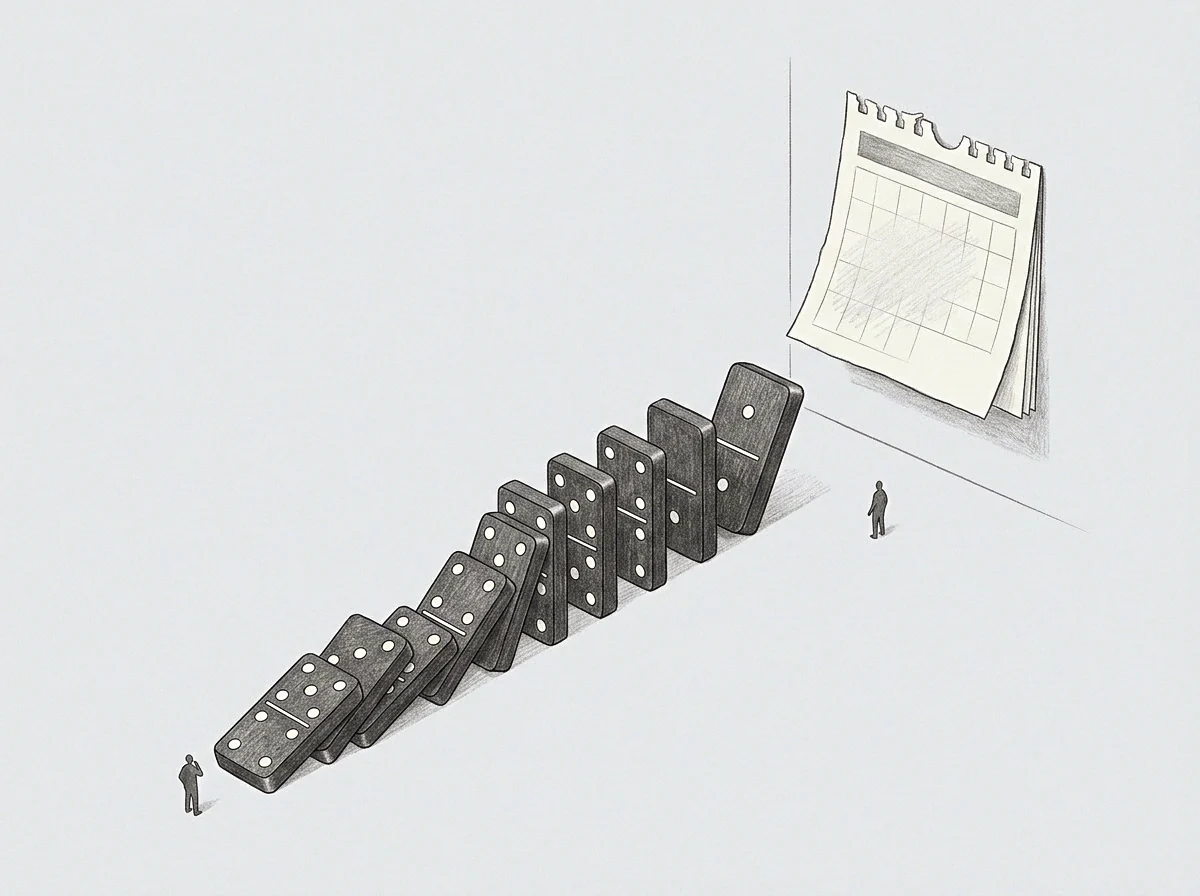
Systemic margin restoration depends on establishing rigid operational boundaries across every customer touchpoint. Moving from custom operational overrides to standardized delivery specifications halts the silent transfer of profits into manual labor costs. Organizations that construct explicit delivery parameters preserve capital efficiency during expansion phases.
Structural Positions Against Margin Erosion
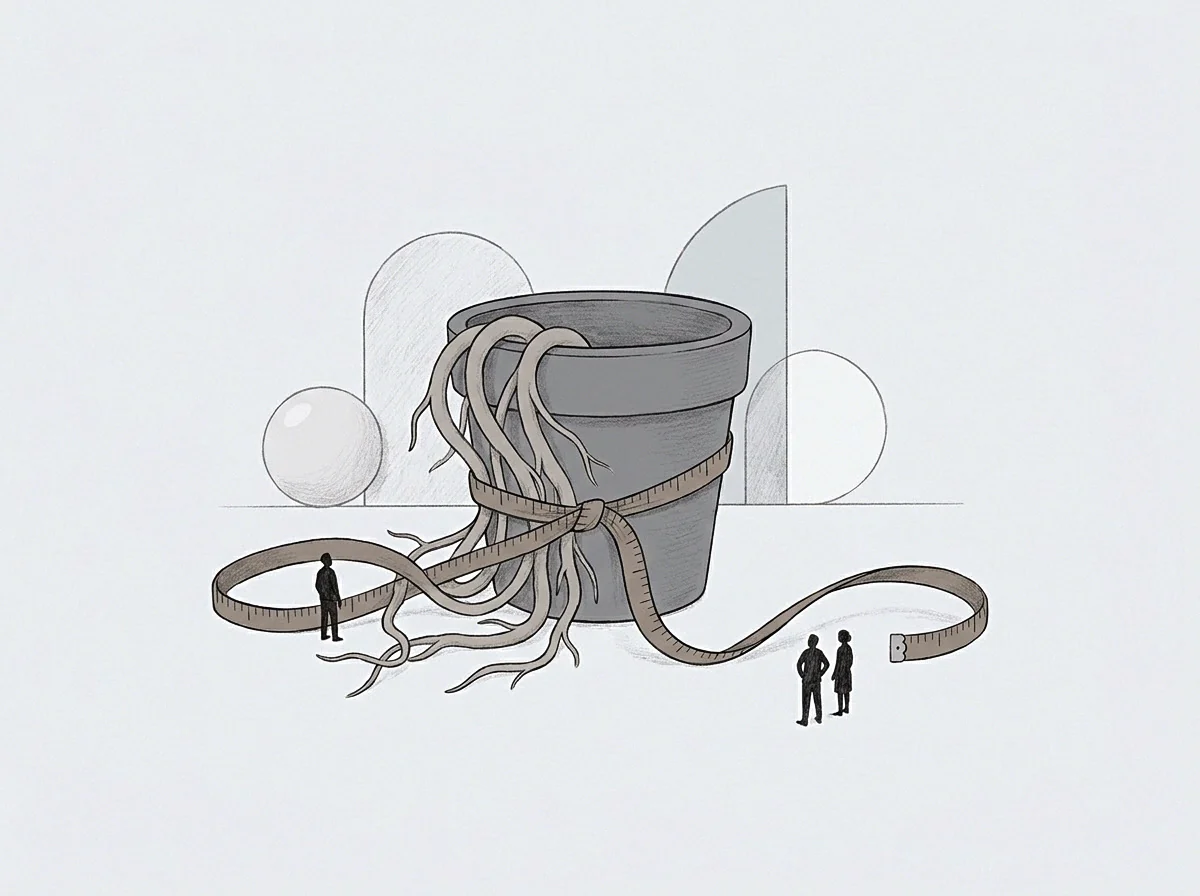
Implementing strict operational boundaries requires formal alignment between commercial sales and technical fulfillment departments. Sales teams must present standard technical capabilities during contract negotiations, framing custom interventions as paid professional services. Operational debt accumulates quickly.
When enterprise clients request custom technical handling, explicit service fees insulate core margins from labor inflation.
Leadership teams maintain operational margin targets by auditing execution routines across mature customer cohorts quarterly. Reallocating disguised fulfillment expenses into direct cost accounts prevents distorted accounting figures from masking operational decay. Standardizing software onboarding workflows ensures that account growth generates real gross margin expansion rather than expanding payroll commitments.
Long Term Cohort Stabilization
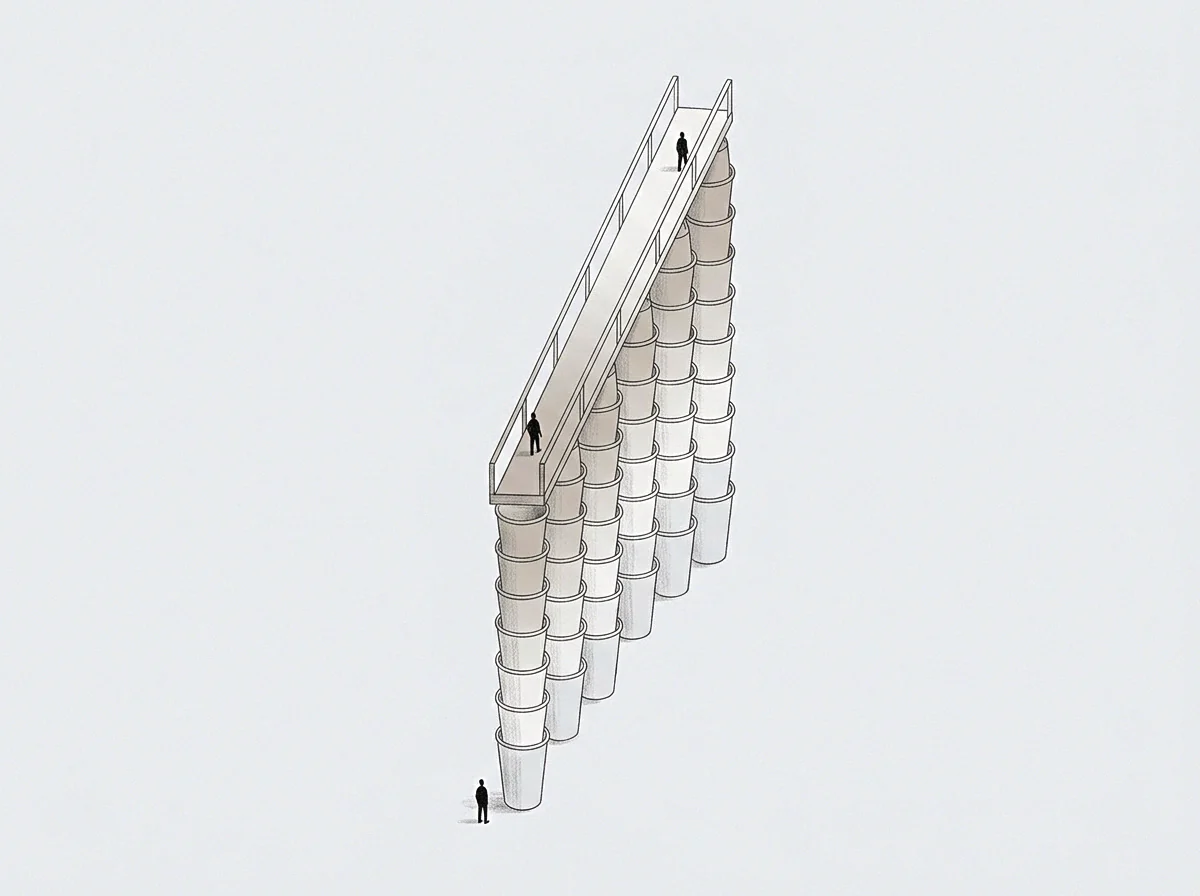
Protecting long-term software margins involves replacing informal employee goodwill with automated platform features and enforced contractual terms. When platform limitations arise, engineering teams build scalable platform features rather than assigning technical personnel to perform manual workarounds. The operational boundary holds firm, securing gross margin consistency across escalating deal volumes.
The lingering uncertainty remains whether legacy enterprise cohorts carrying deep procedural drift can be retrofitted with strict delivery terms without provoking structural account cancellations.