Meaning
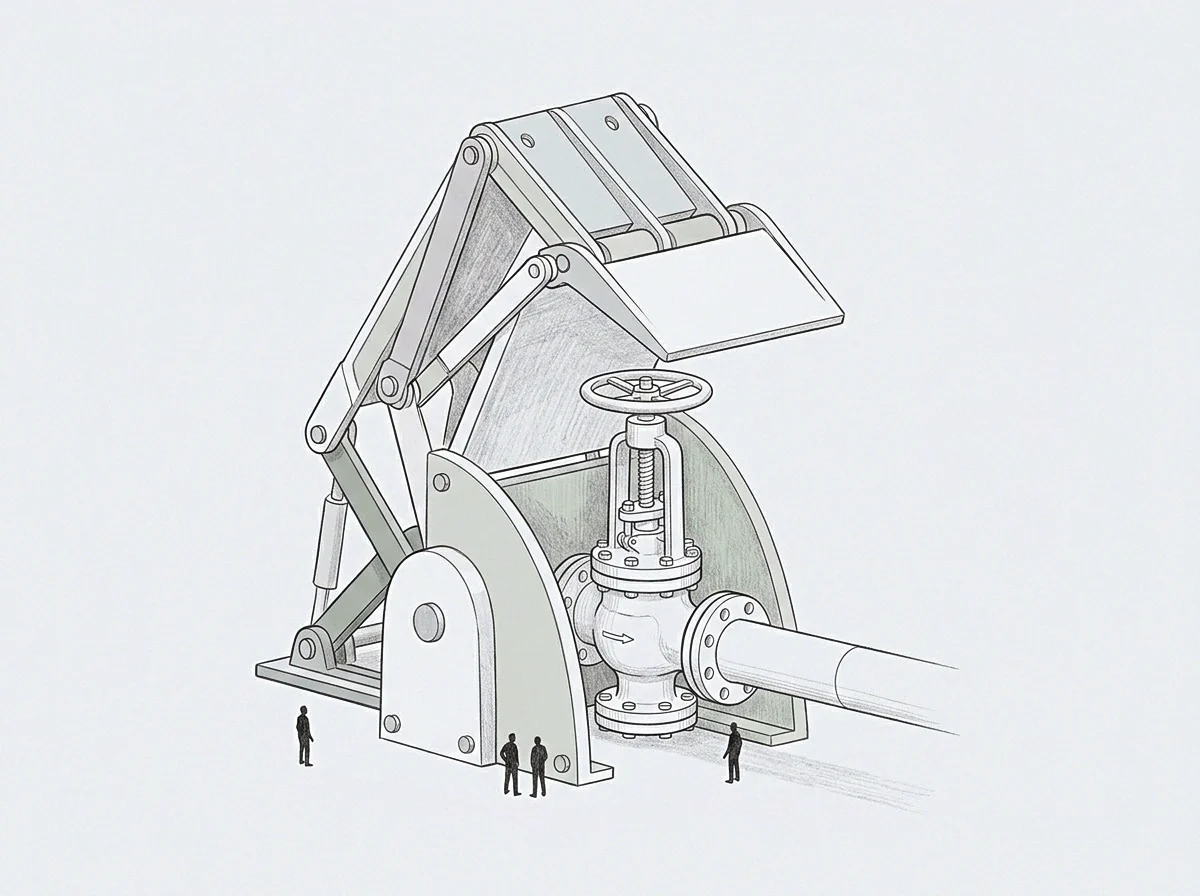
Organizational separation prevents the spillover of information or influence between distinct operational paths. Professionals use channel isolation to ensure that a setback or a specific communication in one area of an organization does not contaminate the reputation or function of another. This mechanism operates by strictly defining the boundaries of data flow and decision authority.
It stops applying when the shared resources of the entity require a unified response to a singular event.
Structural Barrier
Boundaries are established through both technical and social means. Within the framework of channel isolation, individuals are assigned to specific streams where their authority is absolute and their visibility into other streams is restricted.
Operational Effect
Maintaining these silos requires a continuous investment of administrative energy to prevent the natural drift toward integration. When channel isolation is effective, a crisis in a subsidiary or a specific project remains contained, allowing the parent organization to continue its activities without immediate interruption. Leaders monitor these boundaries for leaks that might indicate a failure in the underlying architecture.
This separation is particularly useful when the organization manages competing interests or sensitive data sets that must remain distinct for legal or competitive reasons.
Containment Bound
The cost of this separation is measured in the hours spent duplicating roles and the friction of inter-departmental communication. Once the cost of maintaining the barrier exceeds the risk of contamination, channel isolation is typically abandoned in favor of an integrated model.