Meaning
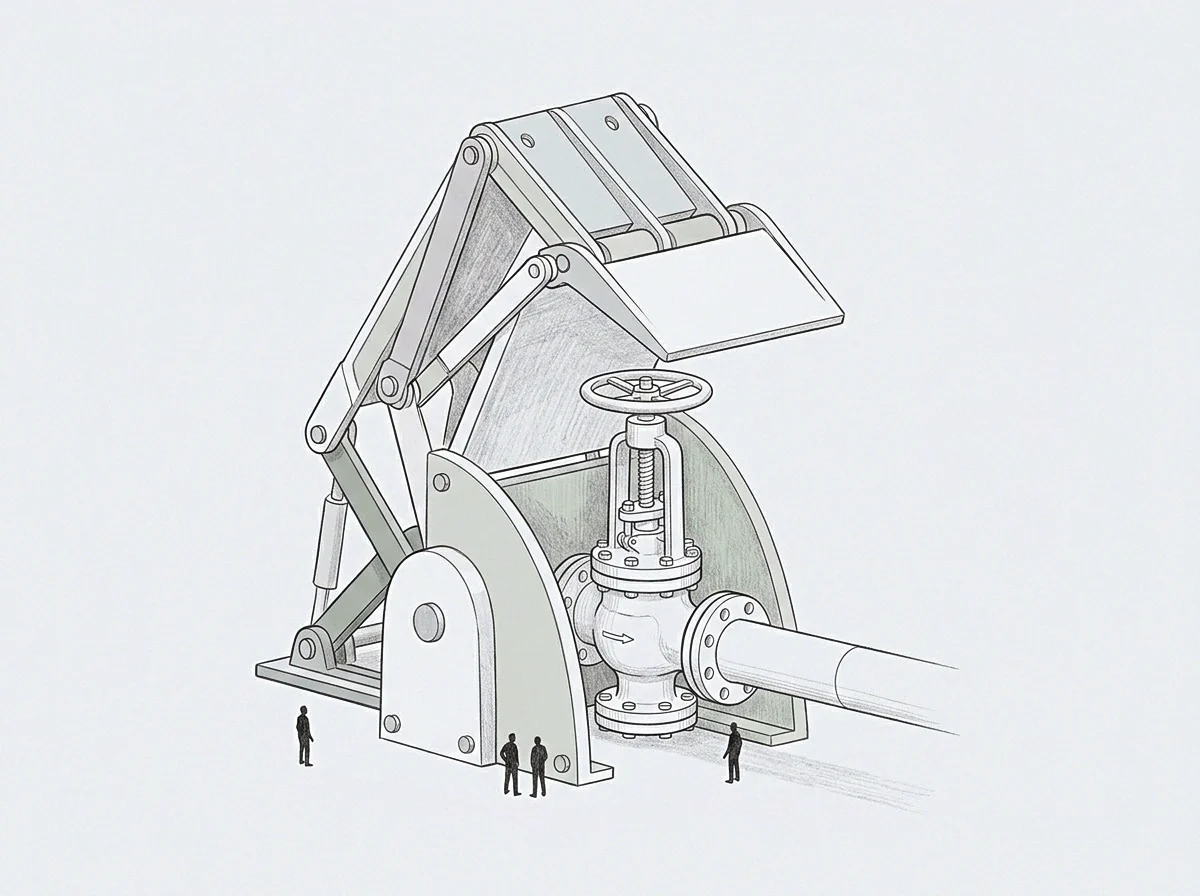
A contractual demarcation boundary between different business streams prevents co-mingling of liabilities during corporate restructuring. Founders negotiate a channel separation clause to segregate specific operational assets from the primary entity before a secondary liquidity event occurs. Legal counsels draft this provision to protect distinct revenue streams from cross-contamination when liabilities exceed initial projections.
Division Mechanics
Operational isolation demands a rigid legal architecture that disconnects shared administrative functions. Corporate entities execute this separation by assigning distinct intellectual property portfolios and supplier contracts to separate legal subsidiaries. Founders absorb hourly costs in administrative hours and legal fees while reallocating internal teams to distinct operational units.
This structural partition halts the automatic transfer of contingent liabilities from a failing business unit to a profitable counterpart.
Creditor Protection
Financial institutions rely on asset partitioning to calculate recovery rates during default proceedings. Secured lenders demand this segregation because commingled revenue streams obscure the exact recovery pool available for debt service. Lenders price credit facilities higher when corporate borrowers resist structural isolation because uncertainty multiplies recovery costs in insolvency scenarios.
Corporate borrowers trade short-term operational convenience for lower cost of capital by satisfying this structural demand.
Risk Boundary
Operational insulation fails when parent entities retain common treasury management systems or shared payroll accounts. Auditors scrutinize intercompany transfer pricing agreements to verify that commercial transactions between the separated units occur at market rates. Regulatory authorities pierce the corporate veil if founders maintain informal cash transfers between supposedly isolated balance sheets.
Precise documentation of every intercompany transaction preserves the legal distance required for liability containment.