Meaning
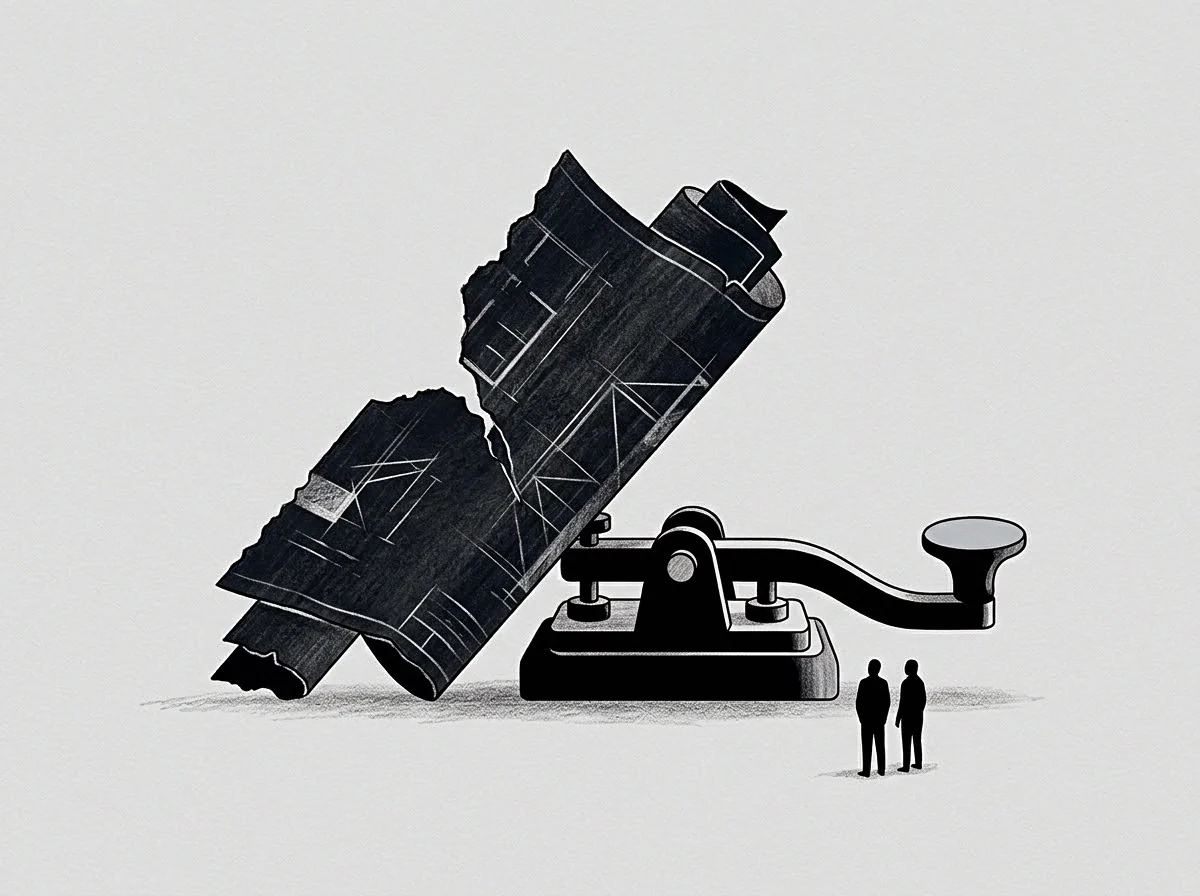
Interpersonal and strategic tension between the original architects of an organization defines this state of professional conflict. This cofounder friction occurs when differences in operational speed, equity distribution, or risk tolerance surface during the scaling phase. It establishes the limits of the original partnership and determines whether the existing leadership structure can absorb internal disagreement.
Structural Tension
Operational divergence occurs as the initial clarity of a shared vision meets the complexity of hiring and delegating tasks to new employees. While a partnership might begin with a loose understanding of roles, cofounder friction often appears through overlapping jurisdictions or contradictory instructions given to staff members. The friction slows the company down.
The cost is measured in organizational momentum and the psychological capacity of the management layer.
Equitable Weight
Adjustments to the cap table or decision making rights frequently trigger these events. When one partner contributes more attention or capital than another over a sustained period, the resulting cofounder friction forces a renegotiation of the original agreement. This process represents a formal correction of a historical miscalculation.
Partner Exit
The ultimate boundary of this phenomenon is the departure of a principal. If the friction cannot be resolved through role separation or third party mediation, the exit represents the final cost of the misalignment. A clean break preserves the entity while terminating the interpersonal exchange.