Meaning
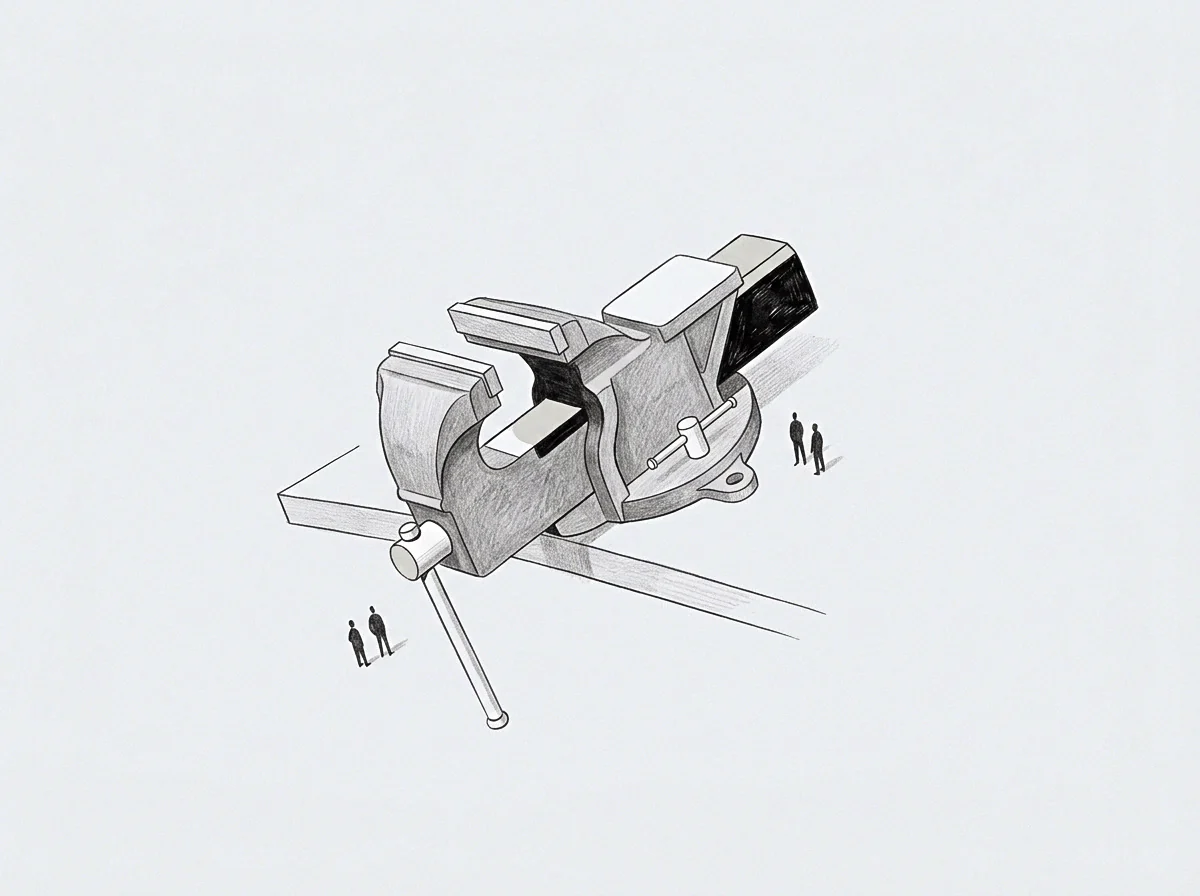
Incremental departure from established protocols occurs when daily operational pressures slowly override formal requirements. Over several quarters, compliance drift results in a situation where the staff no longer follows the safety or financial rules that were originally implemented. This phenomenon is usually unintentional and stems from small, repeated shortcuts that become the new standard.
It ends when a formal reset is triggered or when the deviation leads to a measurable failure that requires a correction.
Standard Erosion
Erosion of the original rule set begins with minor exceptions that appear harmless at the time of their introduction. Because compliance drift happens slowly, it often escapes the notice of board members who only see high level reports. The cost of this shift is the slow increase in operational risk.
Process Decay
Deterioration of internal discipline happens when the reasons for a specific rule are forgotten or deemed irrelevant by new employees. As compliance drift takes hold, the organization moves from a state of strict adherence to one of situational ethics. This transition makes the entity harder to manage and less predictable for outside observers.
Systematic Deviation
Repeated failures to follow the code eventually transform the culture of the workspace. Addressing compliance drift requires a total re evaluation of the incentives that lead people to take shortcuts. Without this intervention, the gap between the formal policy and reality will continue to grow.