Meaning
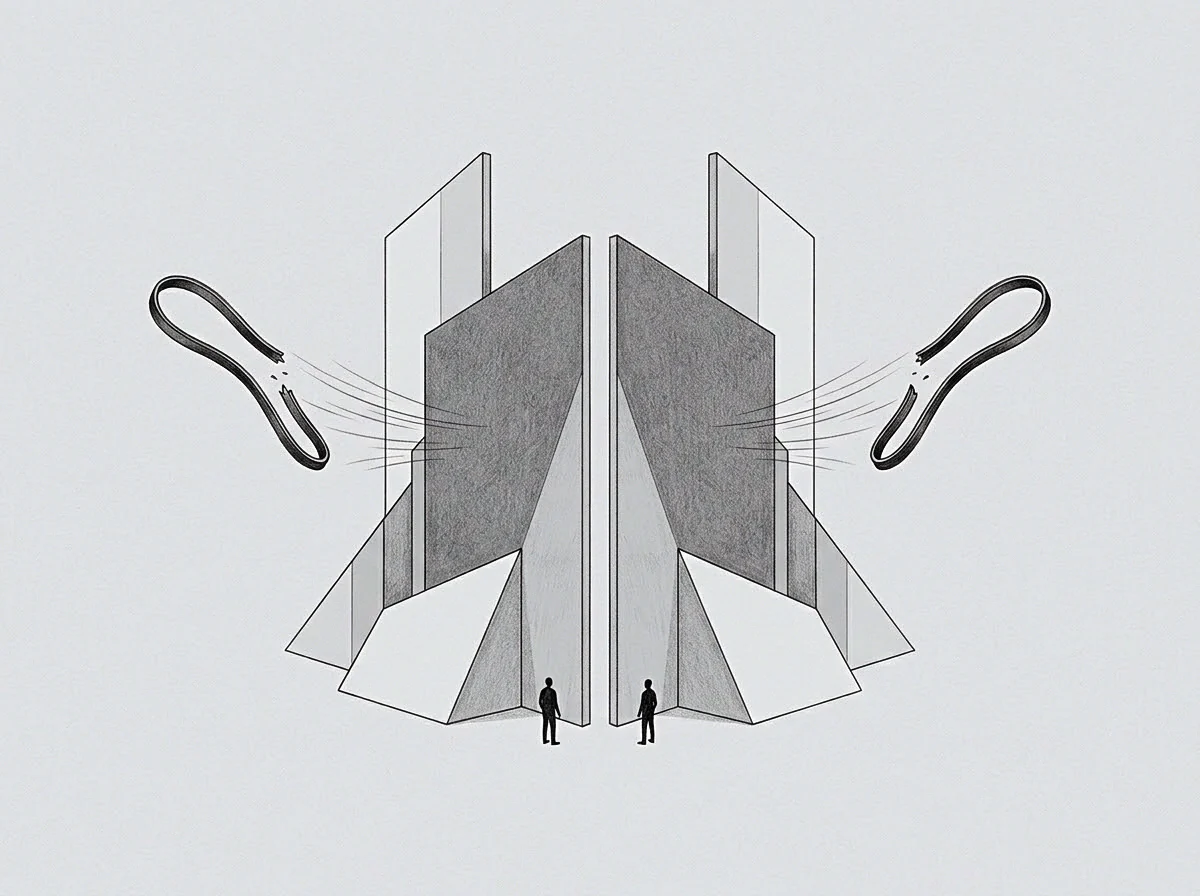
A divergence in labor or capital output describes the gap between initial ownership stakes and the actual resources provided by participants as a project matures. Persistent contribution drift occurs when a founder reduces their active involvement while retaining a large equity block, forcing other members to cover the shortfall. This phenomenon creates friction in ventures where the original cap table no longer aligns with the daily operational reality of the team.
Ownership Tension
Static equity structures often fail to account for the dynamic nature of personal commitment over several years. While the initial split might reflect a shared vision, contribution drift introduces a silent tax on the remaining active partners who must sustain the entity. Negotiating a resolution requires a frank assessment of current output versus historical promises.
Corrective Mechanism
Dynamic equity splits or vesting schedules provide a structural defense against the erosion of fairness. These tools allow the ownership percentage to fluctuate based on hitting specific milestones or maintaining a minimum number of hours.
Operational Bound
The risk of such a drift typically fades once a company reaches a scale where professional management replaces founder-led operations. At this stage, the entity relies on market rate salaries and formal governance rather than the informal reciprocity of the early days.