Meaning
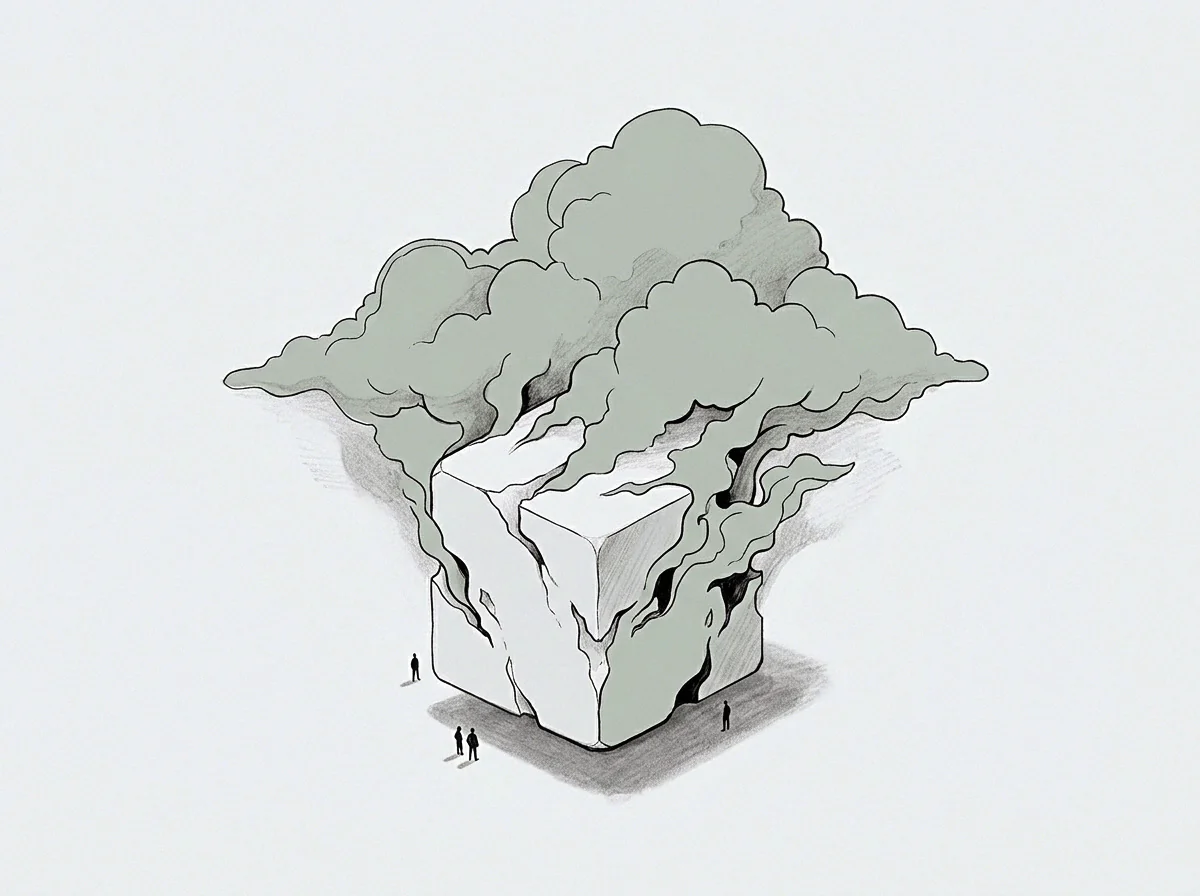
The accumulated liability of deferred corporate structure, informal agreements, handshake deals, and undocumented operational decisions creates future institutional friction for an expanding commercial organization. Rapid growth teams often generate governance debt by executing verbal equity promises, skipping formal board resolutions, delaying tax elections, and ignoring regulatory compliance in early phases. These accumulated informalities function as hidden liabilities that demand substantial legal and financial remediation during later institutional audits.
The condition ceases to accumulate once all corporate actions undergo systematic legal documentation and board oversight.
Structural Deficiency
Informal operating habits replace formal corporate charters when founding teams prioritize immediate market speed over administrative discipline. The resulting governance debt obscures equity distribution, title definitions, and intellectual property assignments among early participants.
Compounding Cost
Institutional investors and prospective acquirers inspect minute books, stock purchase agreements, patent assignments, and corporate filings during due diligence reviews. High governance debt inflates legal fees, delays financing rounds, complicates tax filings, and forces founders to renegotiate historical equity grants at severe personal discounts. Remedying neglected corporate records drains executive energy and delays product expansion.
Resolution Protocol
Systematic corporate cleanups require retroactively ratifying board decisions, executing standard invention assignment forms, settling historical liabilities, and restating capitalization tables. Clearing governance debt demands dedicated administrative hours and specialized legal counsel to replace handshake agreements with enforceable contracts.