Meaning
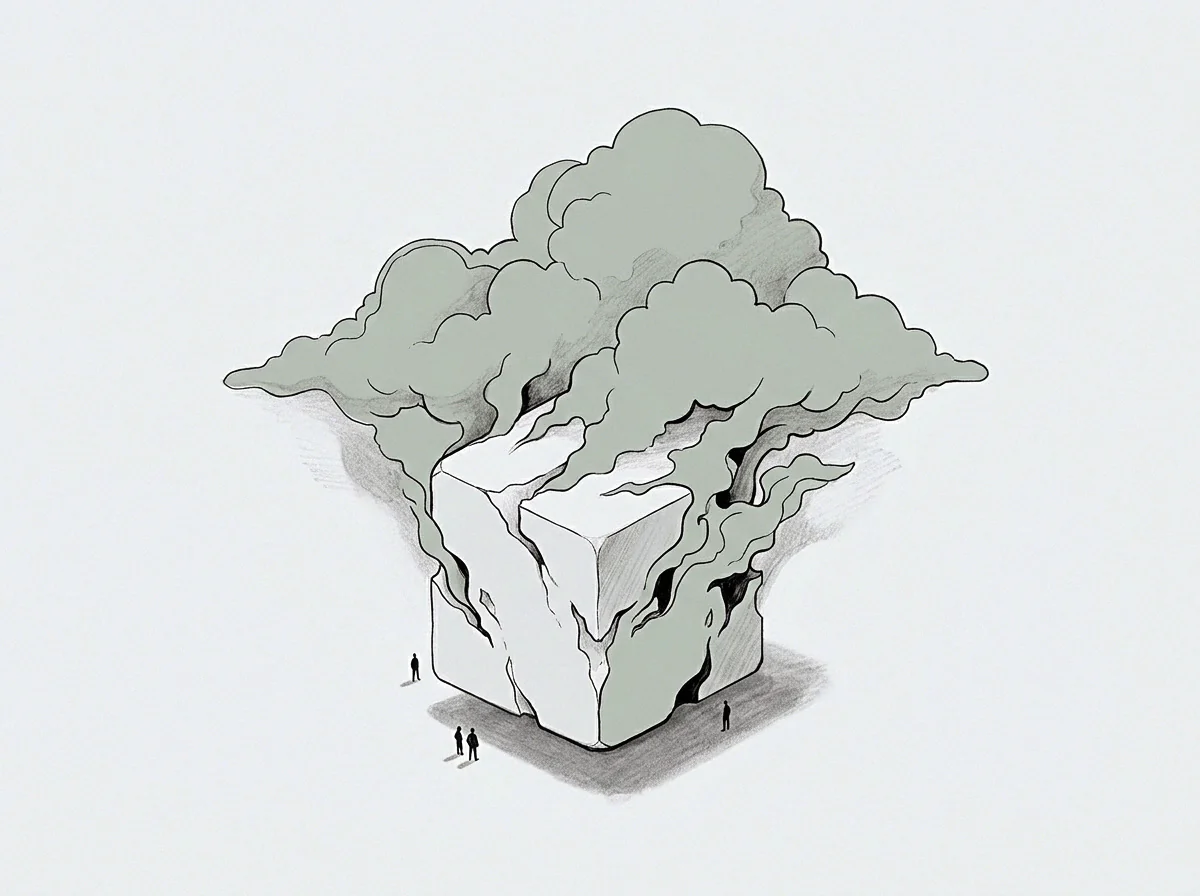
Cumulative operational friction, financial expense, and productivity loss accumulate within an enterprise during prolonged organizational restructuring. Sustaining a structural toll impairs execution momentum when ongoing executive disputes consume capital reserves and executive attention. The cost manifests through delayed product launches, executive employee attrition, and elevated professional fee expenditures.
Scope ends when new governance structures achieve steady-state operational execution.
Resource Erosion
Protracted founder litigation and restructuring activities drain liquid balance sheet reserves rapidly. Absorbing the ongoing structural toll requires diverting capital from research and development into legal fees, audit costs, and executive recruitment packages. Financial strain weakens market competitiveness against unencumbered industry rivals.
Depleted cash reserves limit strategic flexibility during economic downturns.
Organizational Strain
Internal uncertainty surrounding executive leadership leads to talent departures and project stagnation. Experiencing severe structural toll degrades employee morale as operational focus shifts from growth execution to internal political defense. Middle management teams suffer from uncoordinated priorities while senior leaders focus on governance disputes.
Continuous operational disruption delays product roadmap delivery. Clear leadership resolution remains necessary to restore organizational health.
Impact Limit
Sound business models with strong unit economics can survive temporary operational strain during leadership transitions. Extreme structural friction over extended periods leads to irreversible enterprise value destruction. Timely resolution preserves foundational enterprise assets.