Meaning
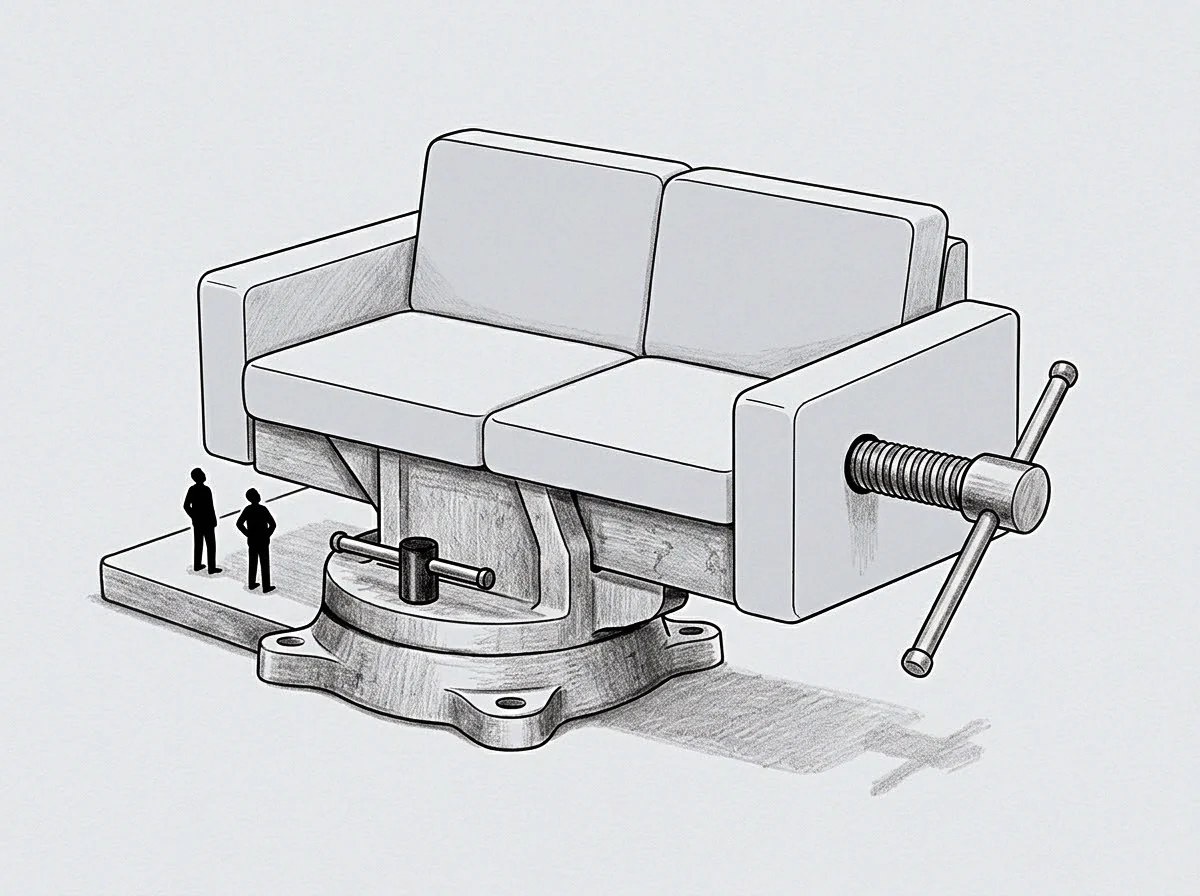
Legal protections for creditors specify the actions available when a debt contract undergoes a breach. Contracts for business loans include a list of lender remedies that outline what happens if the borrower fails to perform. These provisions allow the creditor to take control of collateral or demand the full balance of the loan.
They act as a deterrent against fiscal mismanagement.
Contractual Authority
Power within a lending relationship shifts toward the creditor once a default occurs. Accessing lender remedies gives the bank a seat at the table during restructuring talks and allows them to dictate the use of remaining cash. This authority is backed by the security interests filed at the start of the loan which give the lender a legal claim over the company’s property.
Without these rights, the lender would have no way to prevent the borrower from taking further risks with the remaining capital.
Asset Seizure
Moving against physical or intellectual property is the most severe of the lender remedies. Banks usually prefer to avoid this step because managing and selling assets takes energy and attention. They use the threat of seizure to bring the borrower to a resolution.
Liability Mitigation
Creditors seek to limit their losses as soon as a business shows signs of failing. Quick application of lender remedies prevents a company from spending the remaining cash before the bank can recover its principal. This speed is essential for maintaining the lender’s own capital adequacy.