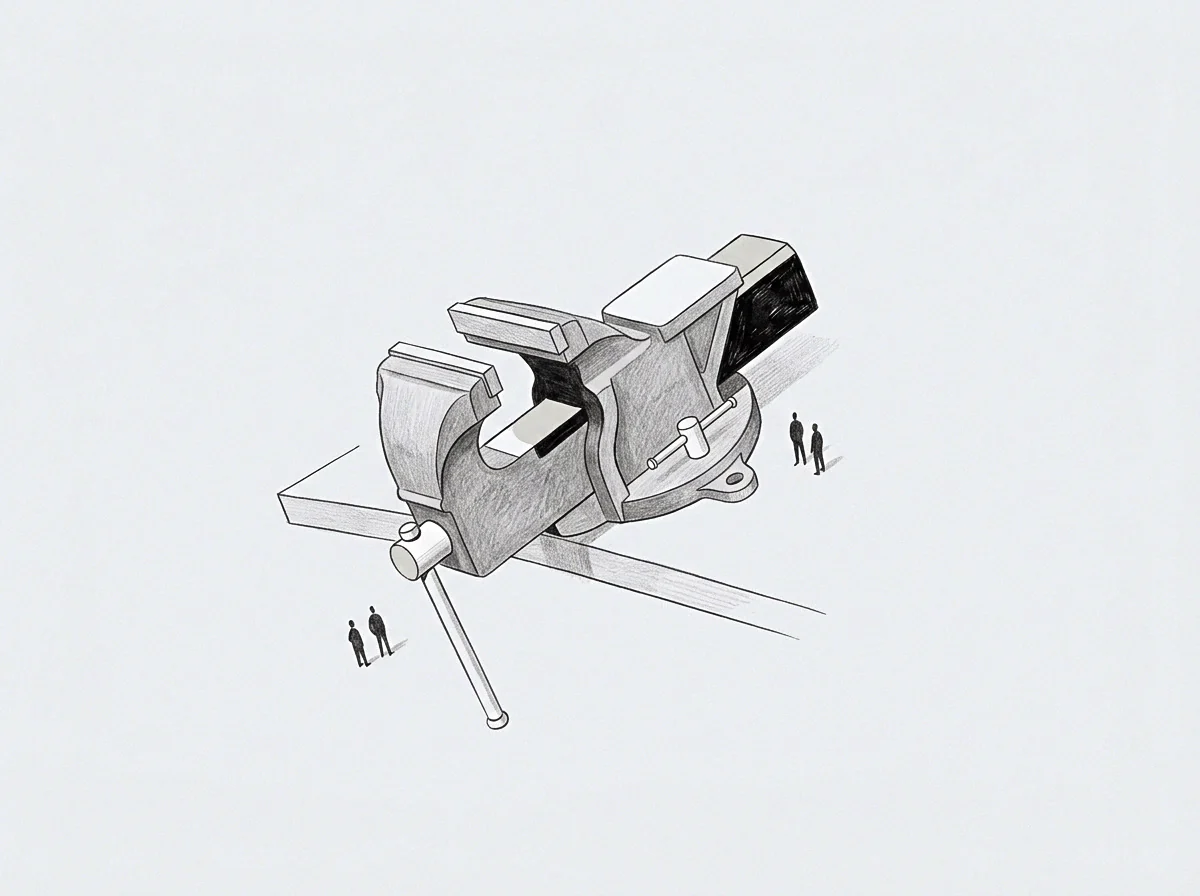
Meaning
Resistance to the flow of information or the execution of orders within a hierarchy stems from conflicting goals between different levels of leadership. When a former founder attempts to guide the new executive team, managerial friction often slows the adoption of new strategies. The force is measured by the time and effort required to move a decision from the board room to the front line.
It stops being a factor when the incentives of all parties are aligned or when the management structure is simplified.
Implementation Resistance
Delay in the rollout of a new policy occurs when mid level supervisors do not believe in the new direction. The presence of managerial friction indicates that the social capital within the firm has been depleted. Every minor change requires an exhausting amount of negotiation.
Coordination Cost
Expenditure of time on internal debates reduces the total capacity of the organization to face external competition. As managerial friction increases, the cost of doing business rises because managers spend more time managing each other than the product. The drag is a hidden tax on the efficiency of the enterprise.
Operational Drag
Slowness in the response to market shifts is the primary consequence of internal misalignment. Eliminating managerial friction involves a clear definition of roles and a removal of overlapping authorities. Such a process allows the company to regain its agility.