Meaning
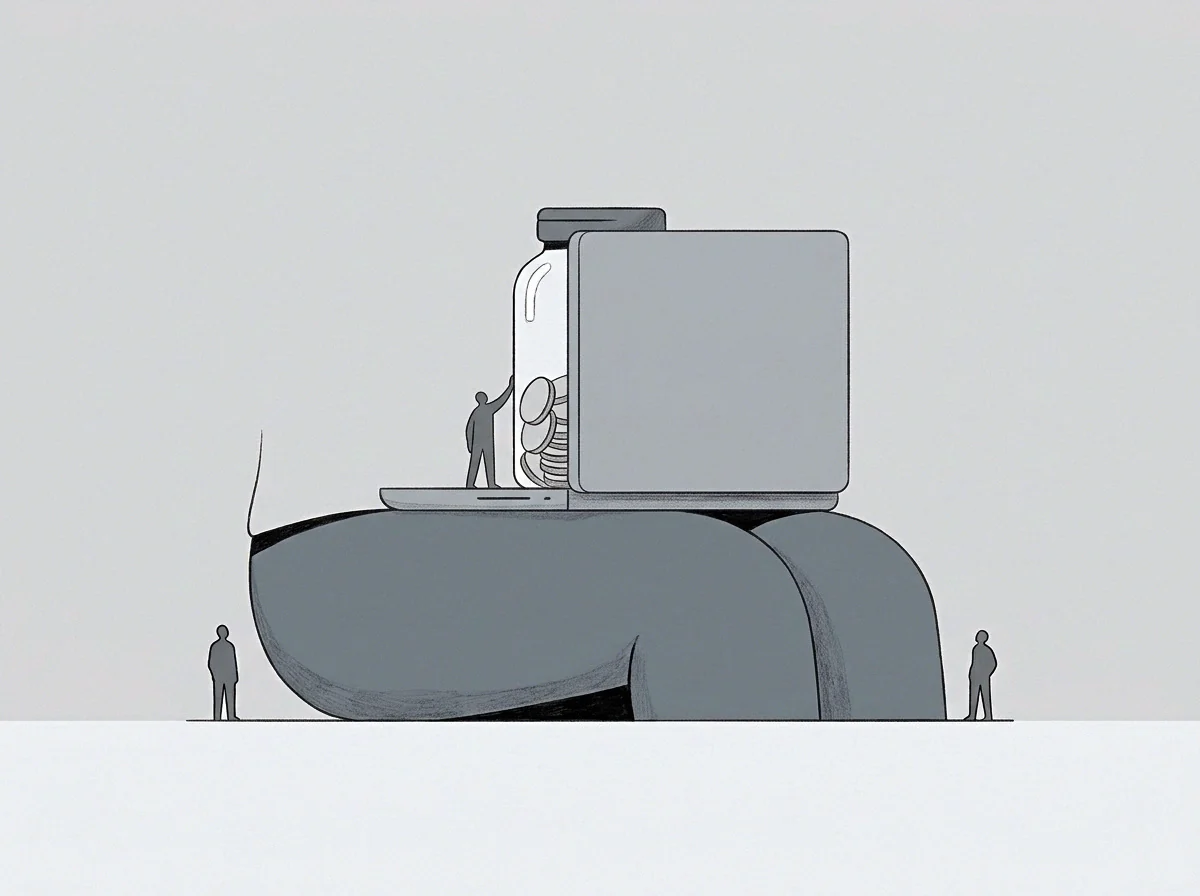
Systemic degradation describes the gradual decline in process efficiency and cultural alignment that occurs as a startup expands. This operational erosion arises when the direct oversight of the founders is replaced by middle management and standardized procedures. It results in a loss of agility, increased bureaucracy, and a decline in the quality of execution.
The boundary of this phenomenon is reached when the company establishes training and quality control systems to institutionalize its original standards.
Process Decay
Rapid scaling often leads to the dilution of the company’s core values and operating principles. In this phase, operational erosion occurs because new hires do not receive the same direct mentorship from the founders as the early team did. This lack of guidance causes a decline in the speed of product delivery and customer service.
It creates friction within the organization and slows down decision-making. As the distance between the founders and the front-line employees increases, the informal communication channels that once allowed for rapid adjustments begin to fail. This communication gap further exacerbates the decline in productivity and morale across different business units.
Cultural Dilution
Preserving the initial startup culture becomes increasingly difficult as the headcount grows. The onset of operational erosion often coincides with the departure of early employees who carried the company’s original vision. This loss of institutional memory makes it harder to maintain high standards of performance and collaboration.
It requires the leadership to actively codify the company’s culture and values into formal training programs.
Strategic Intervention
Addressing the decline in operating standards demands active intervention from the executive team. To combat operational erosion, founders must implement clear performance metrics and regular feedback loops across all departments. This effort costs the company time and resources but is necessary to maintain its competitive advantage.
It ensures that the company can continue to grow without sacrificing the quality that made it successful in the first place.