Meaning
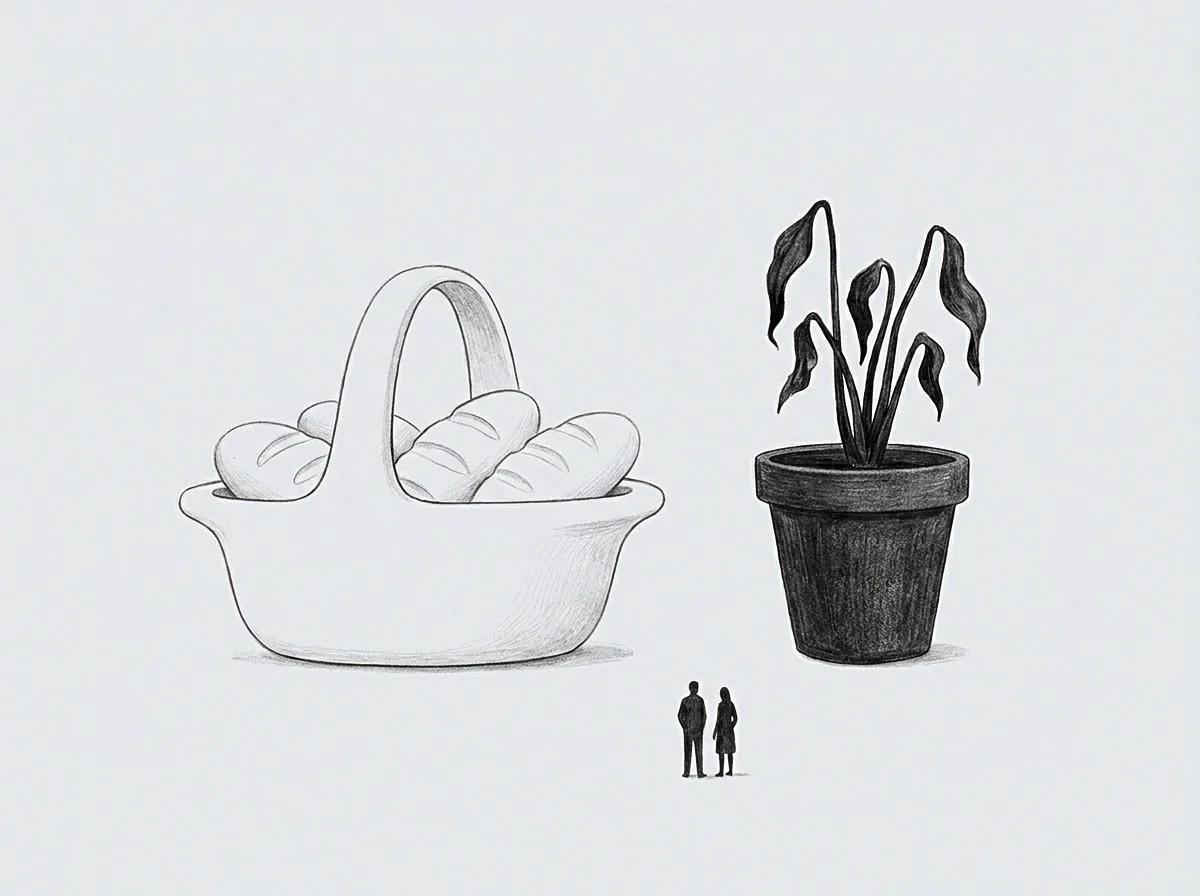
Operational degradation occurs when established governance protocols lose their enforcement power through repeated bypass or neglect. Procedural atrophy happens when a company outgrows its original administrative framework, leading to a state where written mandates no longer reflect actual daily activities. This phenomenon renders oversight structures obsolete as human reliance on informal workarounds replaces documented compliance.
Such divergence creates a gap between the official record and the ground reality of production.
Compliance Decay
Teams often circumvent rigorous documentation requirements to increase the speed of output during high-growth periods. Procedural atrophy results from these localized optimizations, where the urgency of market entry justifies the abandonment of secondary safety or audit checks. Accumulated shortcuts leave the underlying infrastructure brittle, as the organization forgets the original rationale behind specific verification steps.
Future audits frequently identify these gaps only after a failure occurs, confirming that the deviation has become the new standard.
Structural Variance
Governance systems depend on consistent repetition to maintain their validity within an organization. Procedural atrophy sets in when the frequency of manual verification drops below the threshold required to catch errors before they propagate through the system. Institutional memory fades as the individuals who designed the original constraints leave their positions, leaving current staff with empty forms they no longer comprehend.
Efficiency Tradeoff
Organizations accept a higher degree of systemic risk to gain immediate functional utility in the short term. Procedural atrophy represents the tax paid on this acceleration, effectively converting long-term stability into immediate operational capacity. The inevitable loss of institutional control limits the ability to scale complex operations because the foundational rules no longer provide a predictable basis for expansion.