Meaning
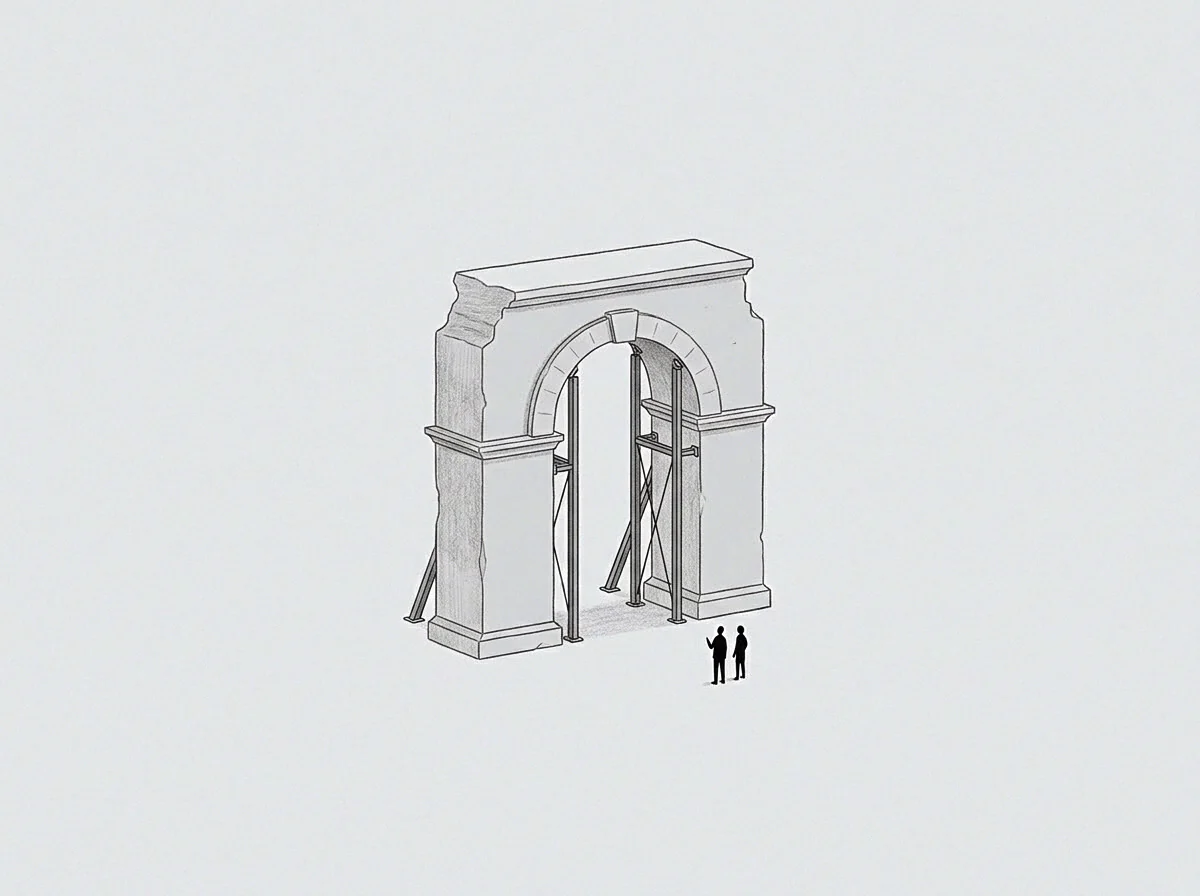
Natural tendency of complex systems to move toward a state of disorder results in the fragmentation of once-coherent workflows. Technical debt and changing personnel contribute to procedural entropy by adding layers of complication to simple tasks. This state is reached when the effort to manage the process begins to exceed the value the process produces.
The state persists until a deliberate simplification effort restructures the workflow.
System Friction
Complexity increases the time required to complete any single action. As procedural entropy grows, employees find themselves navigating a maze of conflicting rules and outdated software. This friction slows down the entire organization and drains the energy of the workforce.
Resource Demand
High levels of disorder require more managers and more meetings to keep the work moving. The cost of procedural entropy is measured in the hours spent clarifying roles and fixing the mistakes caused by a lack of clarity. Instead of building new features, the team spends its time maintaining the crumbling infrastructure of the old ones.
This diversion of resources limits the ability of the company to innovate or respond to new challenges.
Simplification Pivot
Reversing the slide into chaos requires a deliberate effort to strip away the unnecessary parts of a system. When procedural entropy reaches a critical level, the only solution is a complete redesign of the workflow. This reset restores the focus to the core activities that drive value.