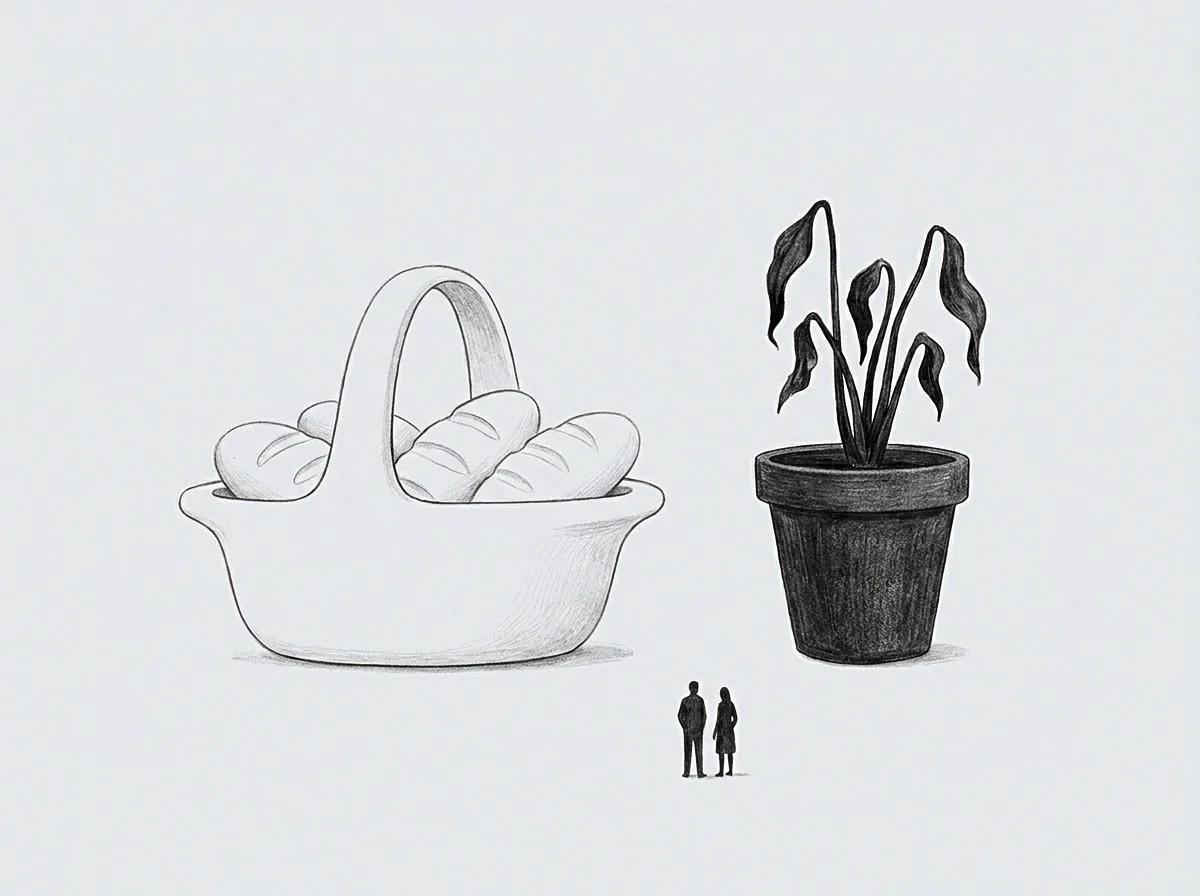
Meaning
Gradual loss of efficiency and consistency in established workflows occurs when regular oversight and updates are neglected. In the wake of a founder’s transition to a new role, process decay often sets in as the original knowledge of the system’s purpose fades. It results in tasks taking longer and errors becoming more frequent as the team relies on outdated shortcuts.
Systemic Erosion
Standards that once felt mandatory slowly become optional suggestions as the culture shifts. During process decay, the small checks and balances that prevent major failures are the first things to go. This erosion is rarely visible in a single day but becomes obvious over several months.
Quality Regression
Output starts to vary as the people performing the work lose touch with the original design. When process decay takes hold, the organization spends more time on rework and customer complaints than on new development. It is a sign that the operational foundation is no longer being maintained.
Maintenance Deficit
Ignoring the need for constant refinement leads to a build-up of friction in every department. A company suffering from process decay finds its agility hampered by a web of legacy habits that no longer serve a function. Fixing this requires a deliberate reinvestment in training and documentation to ensure that the new team understands the core mechanics of the business.
Without a clear plan for renewal, the firm risks losing its competitive edge as the internal systems slowly grind to a halt.