Meaning
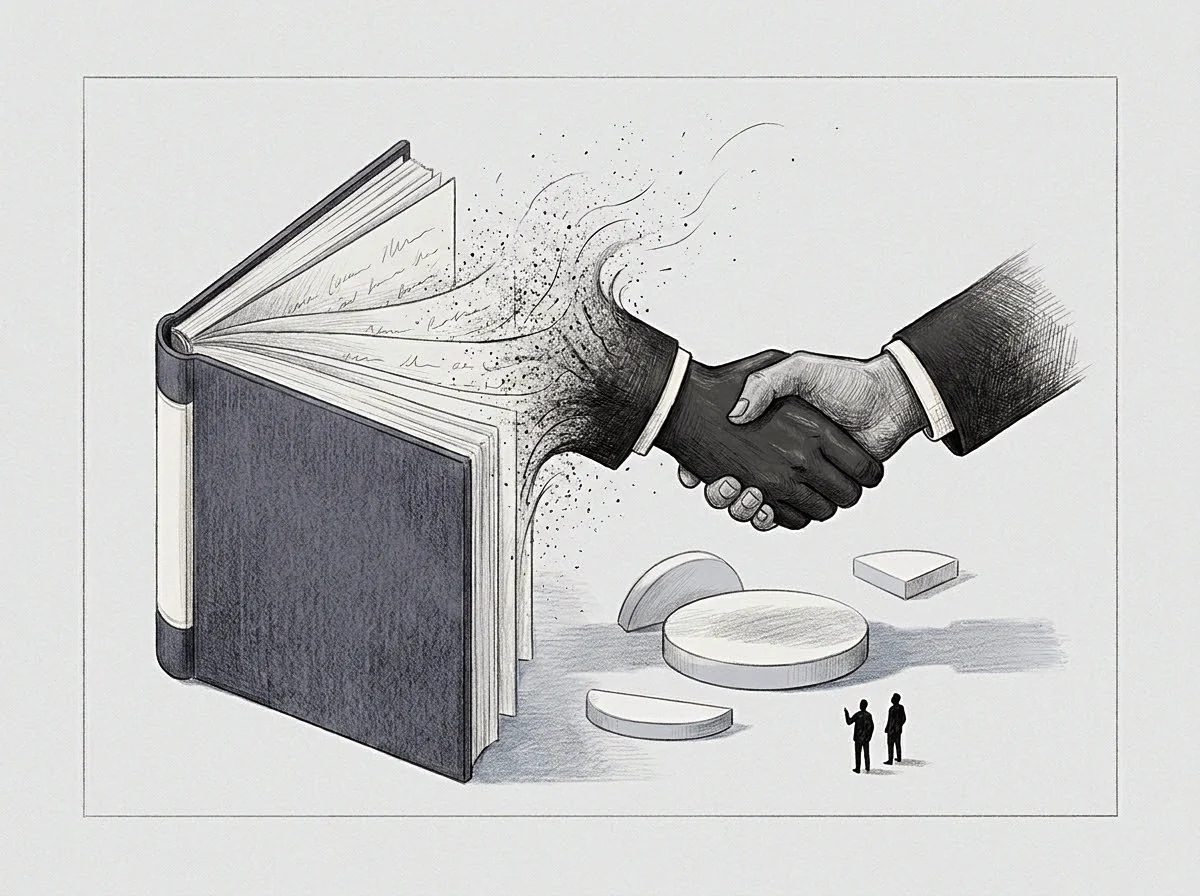
A formal release deed wherein an individual unconditionally surrenders any potential, unvested, or lingering claim to specific corporate property, intellectual assets, or equity without asserting warranties of title confirms unambiguous enterprise ownership. Utilizing a quitclaim agreement allows an enterprise to clean its chain of title by clearing asserted, uncertain, or undocumented interests held by founders, early contractors, or former affiliates. The instrument does not guarantee that the releasing party ever held valid title, only that whatever rights they might possess are permanently surrendered to the releasee.
The instrument applies solely to the assets, rights, or claims explicitly named within the release text.
Title Clearance
Unrecorded early contributions to code, design, brand collateral, or corporate concepts leave dangerous clouds over company assets. Executing a quitclaim agreement sweeps away ambiguity by requiring legacy collaborators to release any implied ownership rights, moral rights, or copyright claims. This mechanism proves effective during pre-financing audits, where institutional investors identify missing IP assignment paperwork from departed contributors.
The consideration paid to the releasing party is often nominal, reflecting the procedural nature of clearing an unverified claim. Securing these releases eliminates title risks before outside capital enters the enterprise.
Relational Severance
Former colleagues, friends, or early supporters who gave informal labor often hold unexpressed feelings of ownership over a maturing venture. Requesting execution of a quitclaim agreement transitions an informal relationship into an explicit legal settlement, making the conclusion of their involvement absolute. The transaction demands founder capacity, requiring diplomatic negotiation to secure signatures from individuals who may feel sidelined by enterprise growth.
Unwillingness to sign signals latent hostility or unstated compensation expectations that must be resolved directly. The executed document closes the door on informal, relational claims, establishing clean separation.
Remedial Application
Corporate restructuring, mergers, acquisitions, and major financing events frequently require these corrective releases to rectify historical administrative oversights. Signing a quitclaim agreement provides immediate structural protection against future conversion lawsuits, ownership contests, or patent co-inventor assertions. The process costs executive attention through forensic document reviews, locating former contributors, and drafting customized waiver terms.
The instrument acts as an administrative clean-up tool rather than an adversarial measure, providing corporate registries and patent offices clean title chains. Obtaining signed releases protects corporate capitalization from historical ownership claims.