Meaning
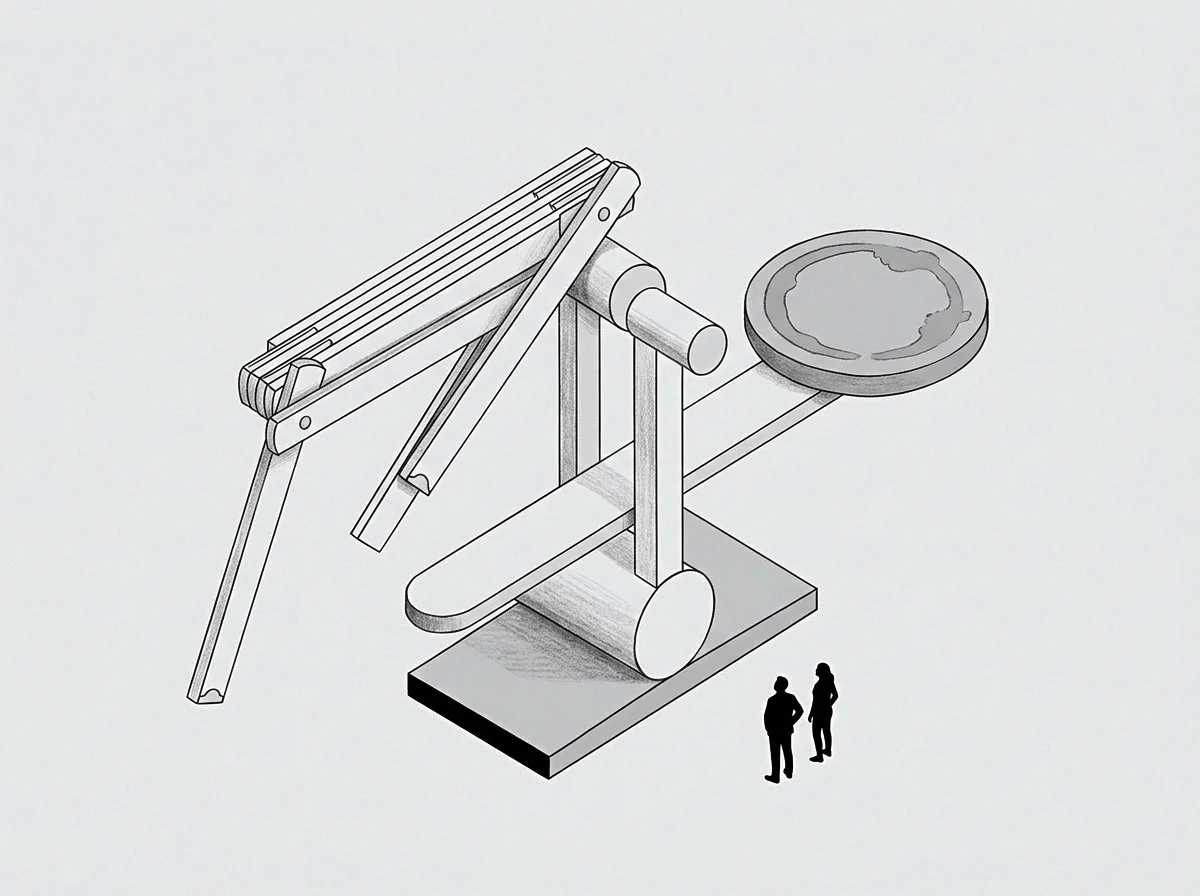
The breakdown of an informal or formal exchange where one party provides value without receiving an equivalent return. In the context of a new venture, reciprocity failure often occurs when founders provide labor or assets based on an unstated expectation of future reward that never materializes. The imbalance erodes trust and can lead to the withdrawal of effort or the dissolution of the partnership.
Interaction Deficit
Cooperative work relies on the belief that a contribution today will be balanced by a benefit tomorrow. A reciprocity failure happens when the social or legal contract governing the exchange is ignored or misinterpreted. Such a situation can involve one partner taking a salary while the other works for equity that loses value.
Cost Assessment
The impact of the deficit is measured in lost capacity and damaged professional relationships. When a reciprocity failure is identified, the aggrieved party typically seeks to renegotiate the terms of their involvement or exits the arrangement entirely. This cost is often hidden in the early years but becomes visible when the company must scale and the lack of alignment prevents decisive action.
The emotional and financial toll on the individual who provided the unrequited value can be substantial, often leading to a permanent exit from the startup ecosystem.
Concept Application
Application of the concept is limited to relationships built on mutual expectation rather than pure market transactions. It does not describe a simple purchase where the price is paid upfront.