Meaning
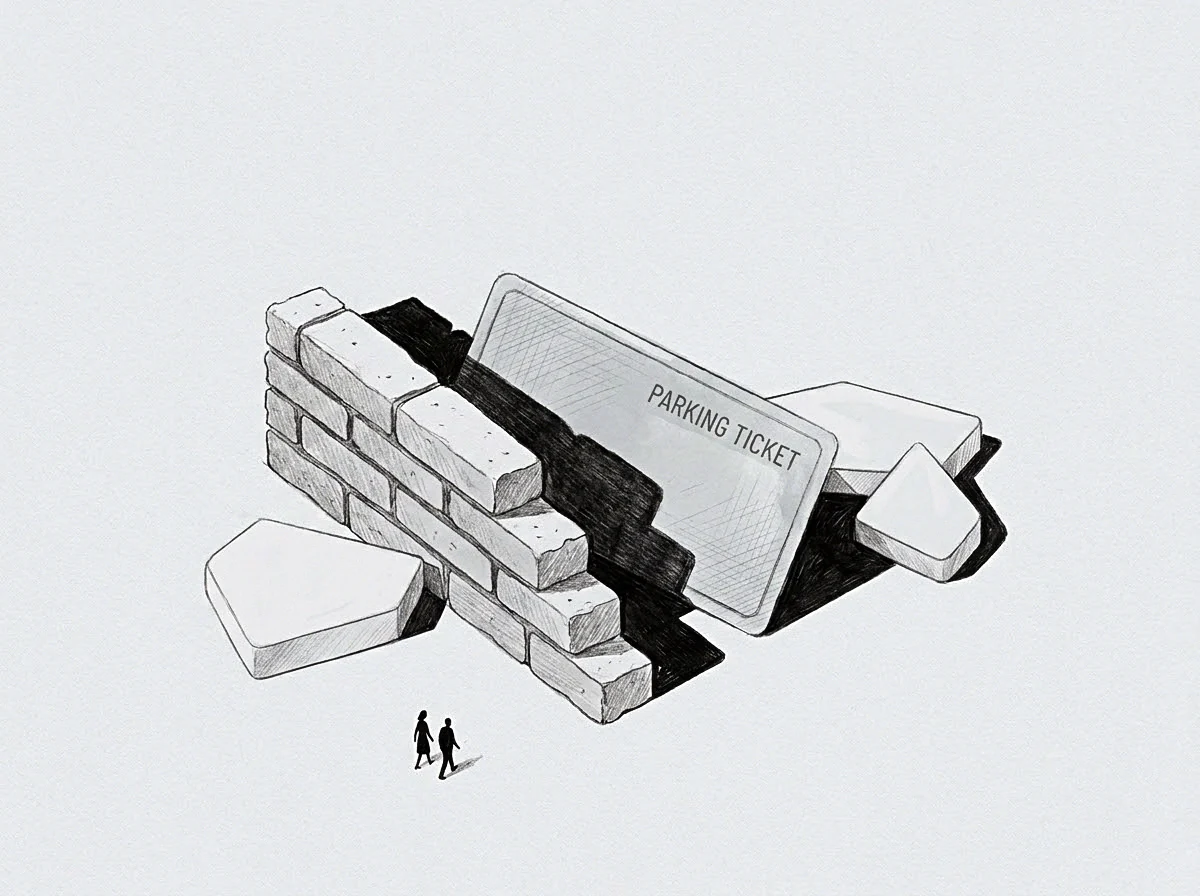
Unrealized earnings represent the monetary difference between actual cash salary drawn by an executive and the higher rate available in the open labor market. Early leadership teams calculate shadow market salary to measure the uncompensated monetary sacrifice cofounders invest in the business during low-capital phases. This metric governs internal cost calculations, cofounder sacrifice equity discussions, and wage equalization formulas.
It stops applying once executive salaries reach full market equity parity.
Unpaid Equity
Quantifying uncollected wages exposes the hidden economic subsidy supporting early operations. By foregoing commercial salaries, founders reduce corporate cash burn, effectively funding initial research and market launch through personal labor. Tracking shadow market salary helps cofounders evaluate whether equity distributions fairly compensate for prolonged salary reductions.
When cash flows stabilize, boards often reference these historical wage sacrifices to justify equity top-ups or performance bonuses.
Opportunity Drain
Sustained wage suppression accumulates personal opportunity cost for early founders. Operating under a high shadow market salary depletes personal reserves and reduces personal investment options outside the venture. This economic drain can generate friction if cash recovery timelines extend indefinitely.
Measurement Limit
Achieving competitive commercial pay ends the accumulation of uncompensated labor metrics. When executive payroll increases to match open-market standards, shadow market salary drops to zero. Subsequent compensation shifts entirely into explicit cash and bonus metrics.