Meaning
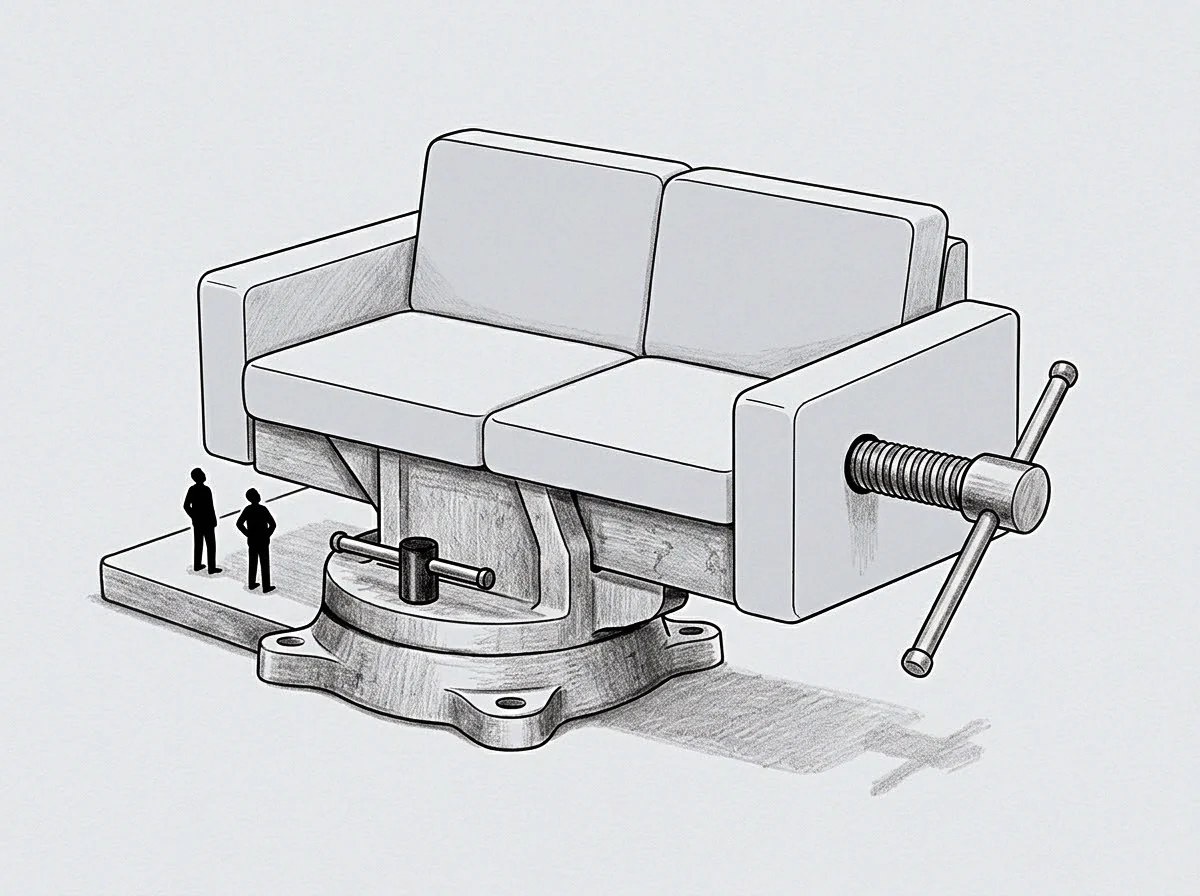
Debt contracts often hide certain restrictive clauses until a specific financial metric falls below a predefined level. A springing threshold is a trigger mechanism that activates a financial covenant only when a borrower’s liquidity drops below a certain level. While the company stays above the line, the lender does not monitor the covenant or require compliance certificates.
This arrangement provides freedom to the borrower during periods of strength and reduces the reporting burden on the accounting department. It acts as a safety switch that only turns on when the risk of default increases.
Trigger Condition
Monitoring begins the moment the cash balance or the credit availability hits the springing threshold. This sudden shift in oversight can catch a management team off guard if they are not watching the numbers. It marks a change from light-touch lending to active surveillance.
Monitoring Rigor
Once the springing threshold is crossed, the borrower must submit detailed reports to the lender every month. This increased transparency allows the creditor to assess the risk of a total default. The added work takes away energy from operational leadership.
Protection Layer
Lenders use this structure to offer more attractive terms to healthy companies while keeping a safety net in place. If the business starts to struggle, the springing threshold ensures the bank has the power to intervene before it is too late. This protection is a standard feature in modern asset-based lending.