Meaning
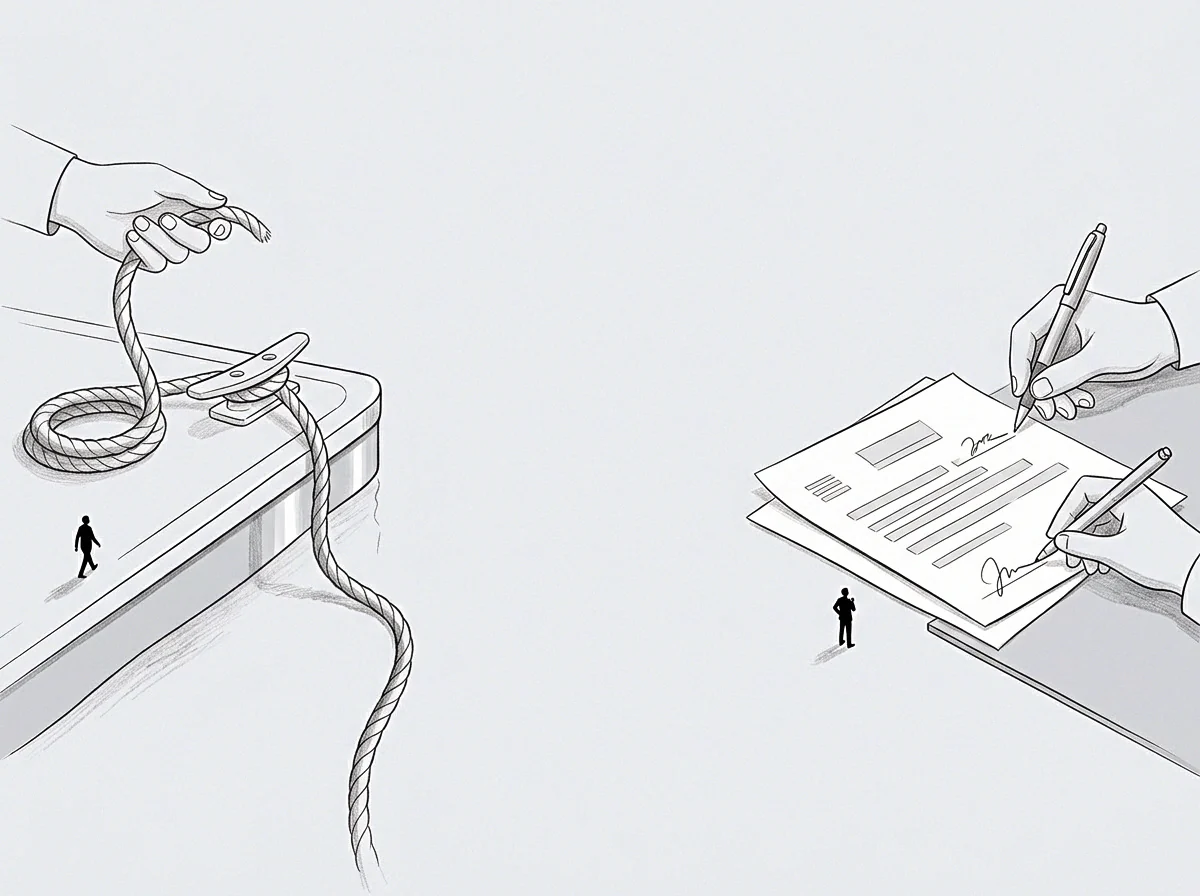
Role transformation is the reassignment of an individual to a different category within an organization’s hierarchy or legal structure. A status reclassification often occurs when an individual moves from an active management role to a passive oversight position. The term ceases to apply once the new designation is formally recognized by the governing authority.
Operational Change
Day to day involvement ceases when this shift is completed. A status reclassification means that the individual no longer manages people or budgets. They move from being a doer to being an advisor.
Financial Impact
Taxation and compensation are directly affected by the change in title. During status reclassification, the way an individual receives income may shift from a salary to a distribution or a dividend. This move has implications for personal liability and social security contributions.
The transition requires a new contract that outlines the limited scope of the new role. It is a necessary step when a founder is no longer the best person to lead the growing enterprise. The cost is often a loss of identity and a reduction in direct power.
Compliance Rule
Regulatory bodies use these categories to determine who is an insider for trading purposes. Status reclassification ensures that the public and the government know who is responsible for the company’s actions. The process ends when the new title is recorded in the official registry.