Meaning
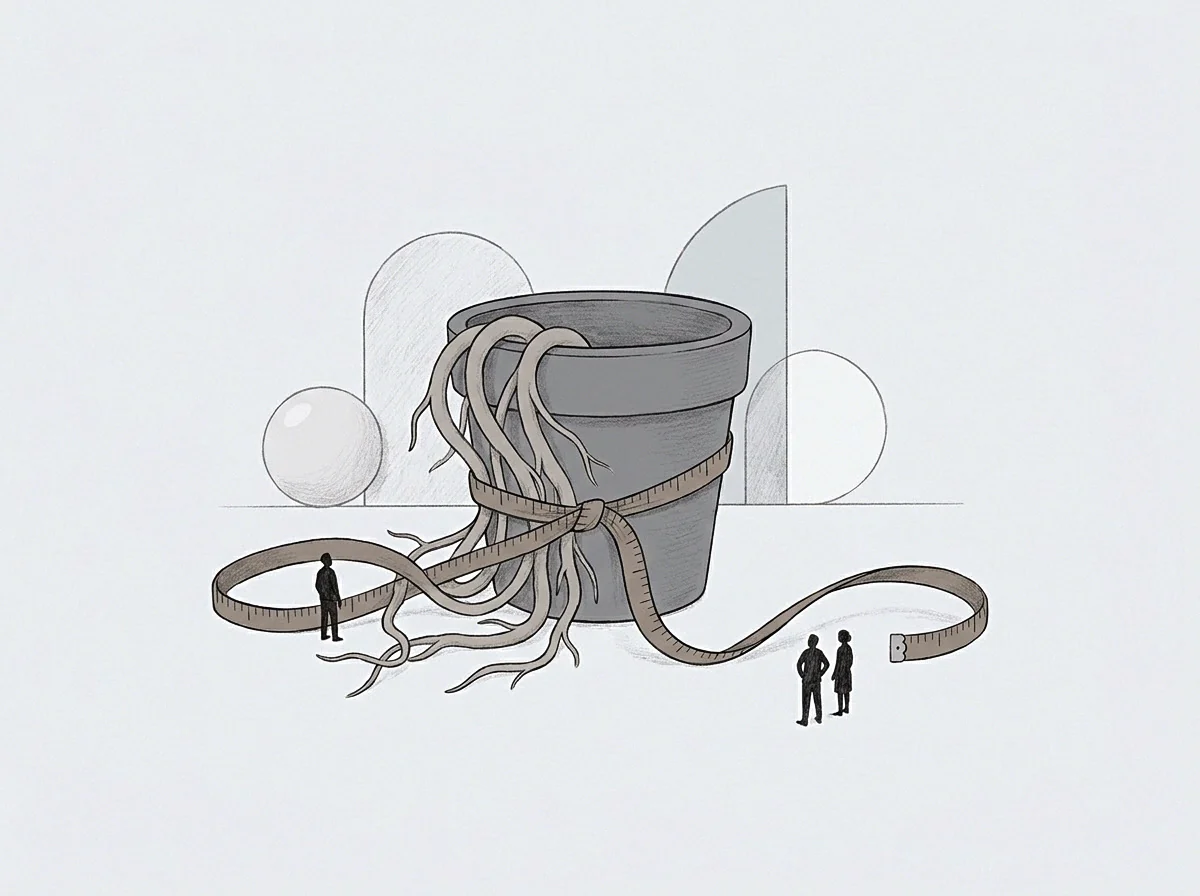
Managerial oversight decay occurs when supervisory layers cease to provide active governance, systematic guidance, or operational accountability over operational units. The resulting supervisory dissolution leaves frontline teams operating autonomously without coordinated strategic direction or formal quality control verification. This condition manifests in decentralized corporate divisions, post-merger integration transitions, and rapidly scaling departmental structures, ceasing where verified managerial monitoring cycles or automated programmatic controls are formally reinstituted.
Breakdown Pattern
Communication cadences decay as scheduled operational reviews and performance check-ins are repeatedly postponed or canceled. Performance standards blur because managers stop auditing transactional logs, reviewing codebase pull requests, or measuring team velocity against baseline goals. Accountability vanishes as project managers prioritize administrative upward reporting over direct frontline operational coaching.
Team members begin defining their own performance metrics, leading to fragmented work priorities and variable execution standards across functional groups.
Coordination Attrition
Cross-team collaboration fragments into unaligned operational silos that independently solve identical problems using incompatible technological stacks. Work duplicates across departments because no central oversight tracks ongoing initiatives or allocates development capacity efficiently. Frontline staff experience decision paralysis when confronting complex systemic issues that fall outside everyday procedural checklists.
High-performing contributors shoulder informal managerial burdens to prevent operational collapse, draining their core technical output capacity.
Systemic Failure
Chronic governance absence produces severe quality drift that degrades customer-facing products and erodes compliance standards. Latent errors, operational security vulnerabilities, and contractual non-compliance accumulate unaddressed until external audits or customer outages expose the breakdown. Rebuilding managerial control requires significant organizational restructuring, executive intervention, and the replacement of disengaged middle leadership.
Morale drops as teams resist the sudden reintroduction of accountability measures after extended operating autonomy. Supervisory dissolution represents an institutional failure to maintain the supervisory fabric necessary for collective execution.