Meaning
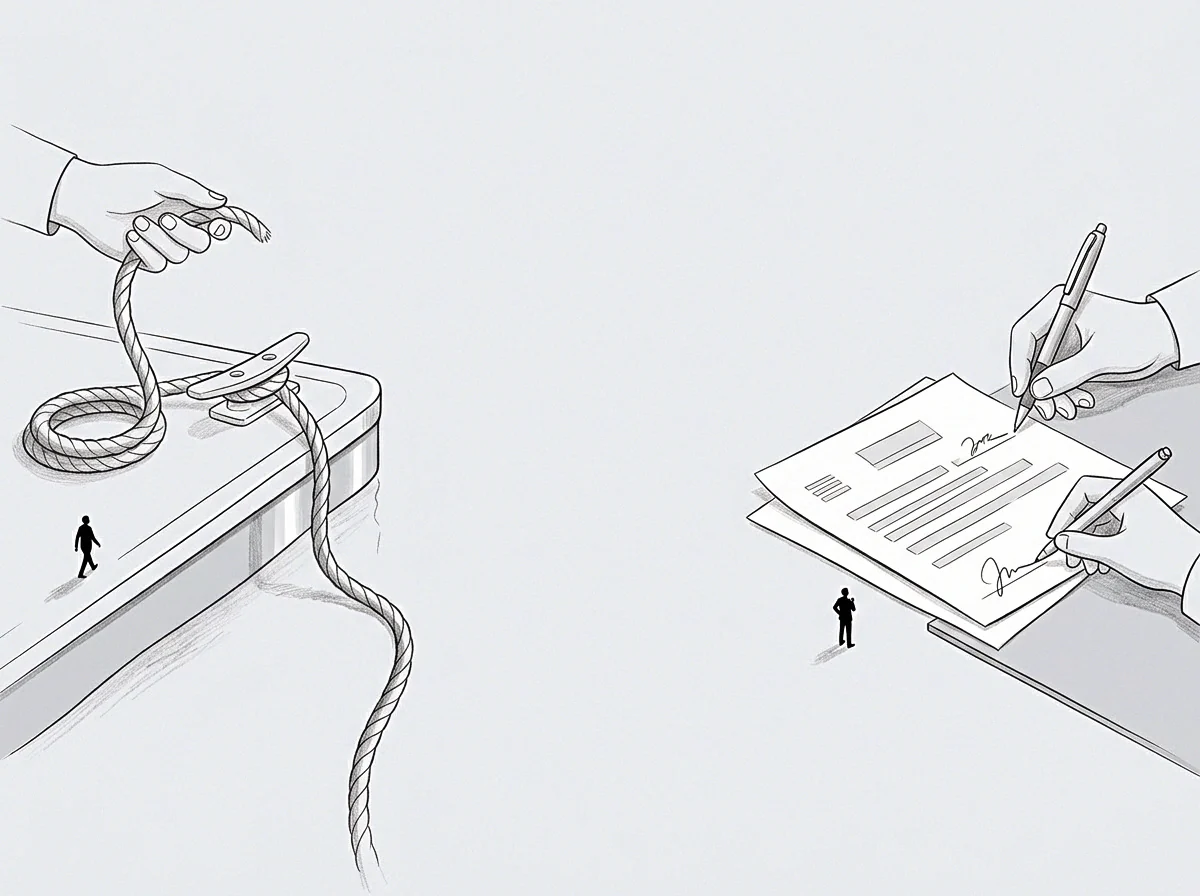
Price discrepancy is the gap between the perceived worth of an asset held by a seller and the market value assigned by a buyer. This valuation divergence is a common obstacle during asset transfer or investment negotiations. The term no longer applies once a consensus on value is reached.
Information Asymmetry
Different data points lead to different conclusions about the future of the firm. While the seller sees the potential of a new product, the buyer sees the historical lack of revenue. This valuation divergence is narrowed through the disclosure of more information and the use of market comparables.
Resolution Friction
Settlement of this difference is the primary goal of the due diligence process. When valuation divergence is high, deals often fall through or are delayed for months. Both parties must find a middle ground where the price reflects both current reality and future upside.
This often involves the use of earn-outs or milestones that protect the buyer while rewarding the seller if targets are met. The cost of this friction is measured in legal fees and lost momentum. It is a structural tension that exists in every transaction involving a private company.
Market Correction
External shocks can quickly close the gap by lowering the expectations of the seller. A valuation divergence tends to shrink when capital becomes scarce or when a competitor exits at a lower price. The boundary of the term is the point where a price is agreed upon and the contract is signed.