Meaning
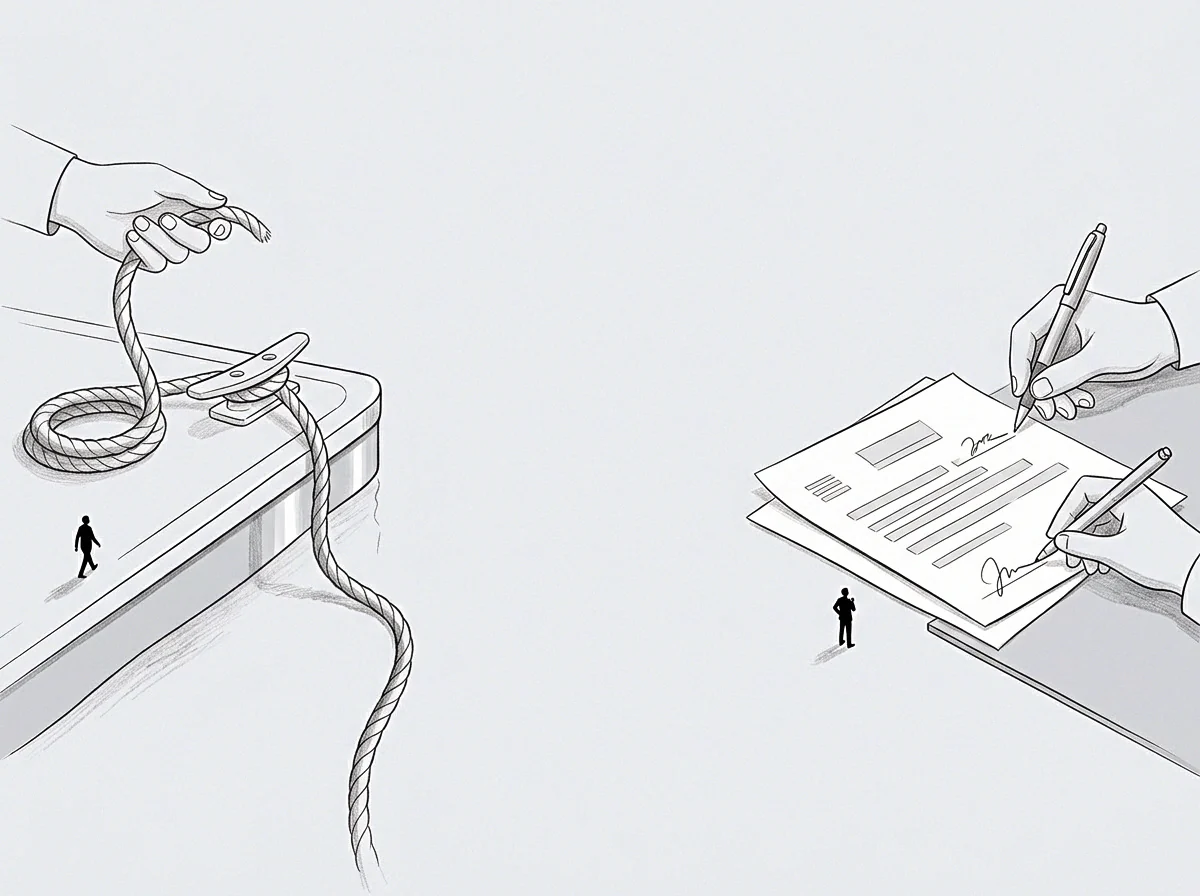
Financial transition involves the translation of intellectual capital into a market-ready offering. Commercialization represents the shift from internal experimentation to external exchange. It marks the point where the developer of a concept stops refining and begins pricing for a market.
The process concludes once the offering is available for general purchase.
Market Entry
Revenue generation begins when the output of a founding phase enters the public domain. This phase of commercialization requires the establishment of a sales channel and a support structure. The costs shift from research and development toward customer acquisition and distribution logistics.
Value Extraction
Profitability is the metric used for assessing the success of the transition. Founders often move from a mode of creation to a mode of optimization during commercialization. The change involves a recalculation of how time is spent, moving from building to maintaining.
This process requires a clear understanding of market demand and pricing elasticity.
Systemic Risk
Sustainability depends on the ability to repeat the sales cycle without a linear increase in overhead. If commercialization fails to achieve scale, the initial investment of hours and capital remains a sunk cost. Scalability is the boundary where the process either succeeds or exhausts the remaining runway.