Meaning
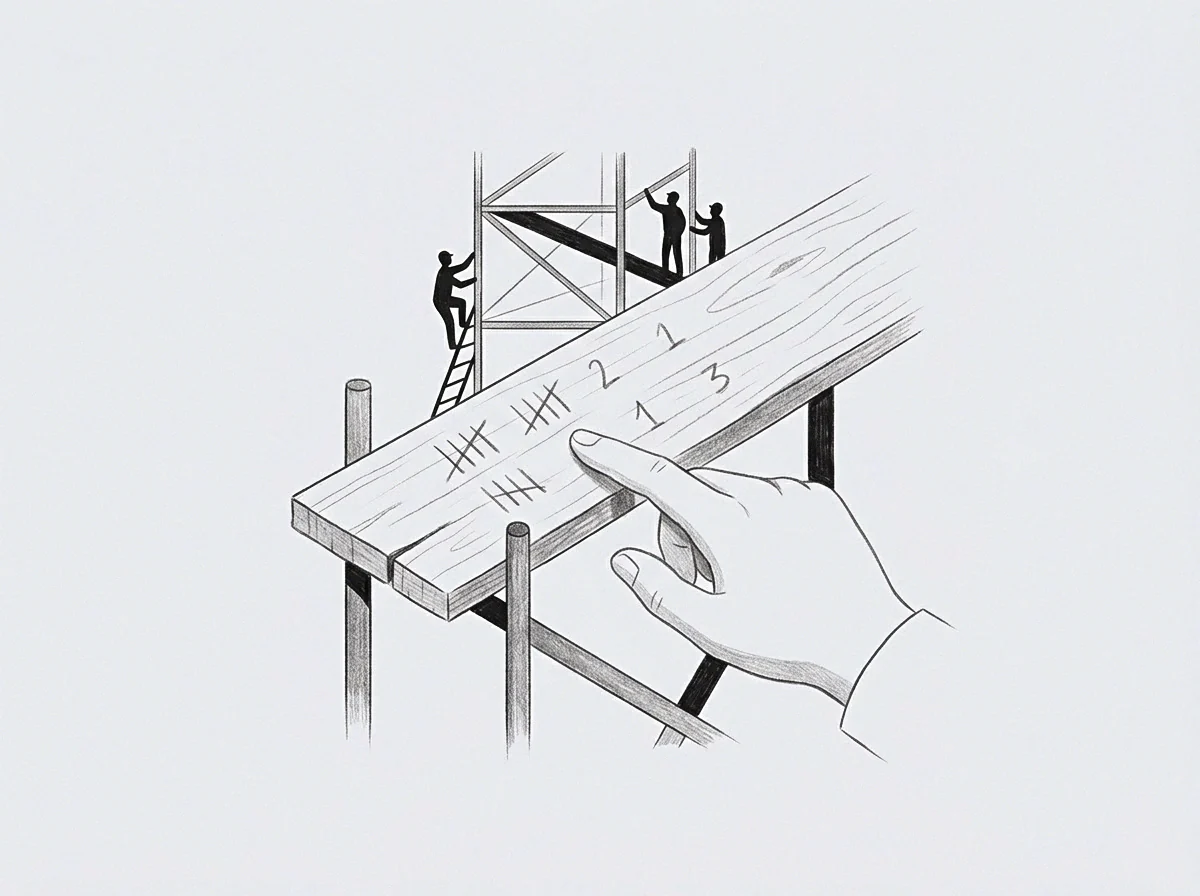
Disagreement over the value of work performed creates a formal conflict between team members regarding their relative impact on the venture. The contribution dispute centers on the gap between the promised output and the actual results delivered during a specific period. It markers the point where informal discussions about effort fail and a more structured resolution is required to move forward.
Conflict Origin
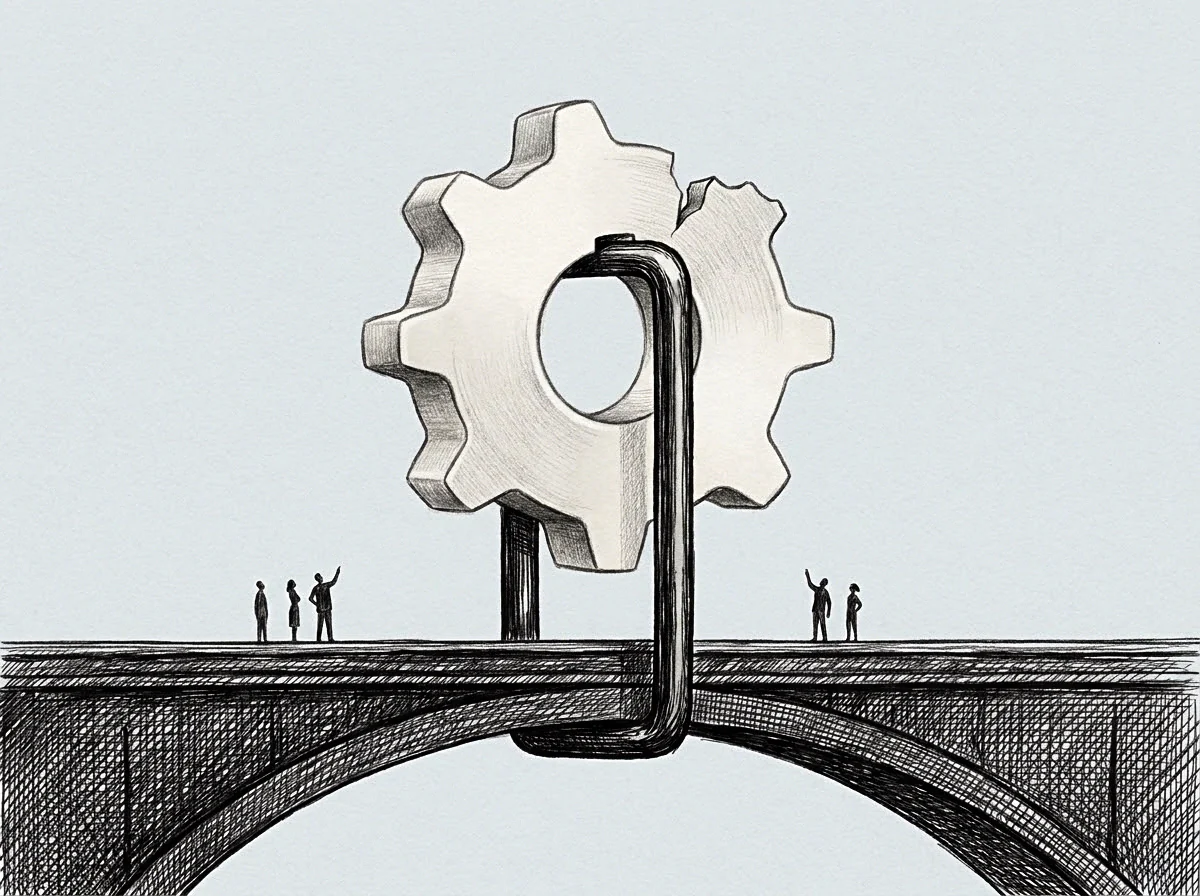
Divergent perceptions of what constitutes valuable labor often start the problem. This contribution dispute typically involves one party claiming that their technical or commercial input was more difficult to produce than the input of others. Tensions rise when these claims are used to justify a change in the distribution of future rewards or current equity.
Resolution Protocol
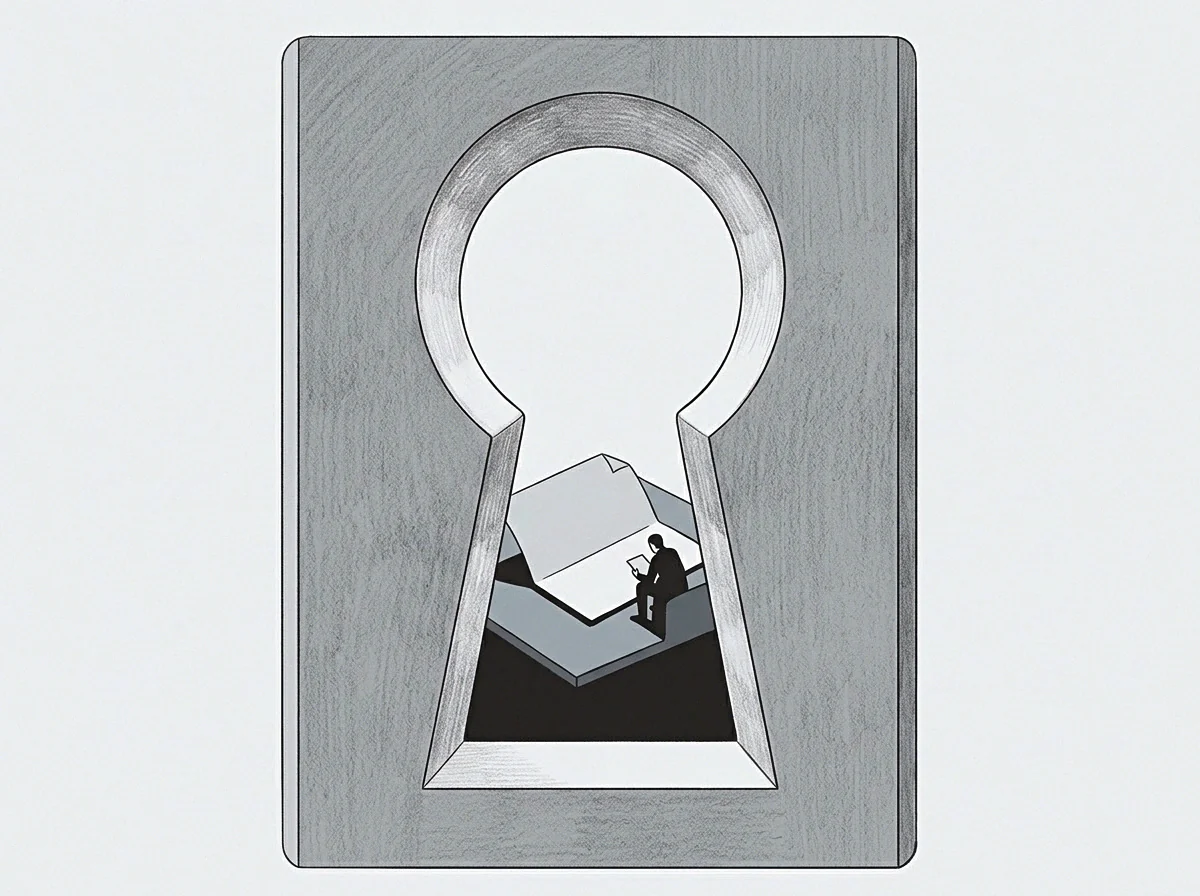
Neutral third parties or predefined contractual steps are used to settle the matter. When the contribution dispute reaches this stage, the focus shifts to objective evidence such as time logs, code commits or signed contracts. Reaching a settlement prevents the disagreement from stalling the growth of the organization or damaging the morale of the broader team.
Future Consequence
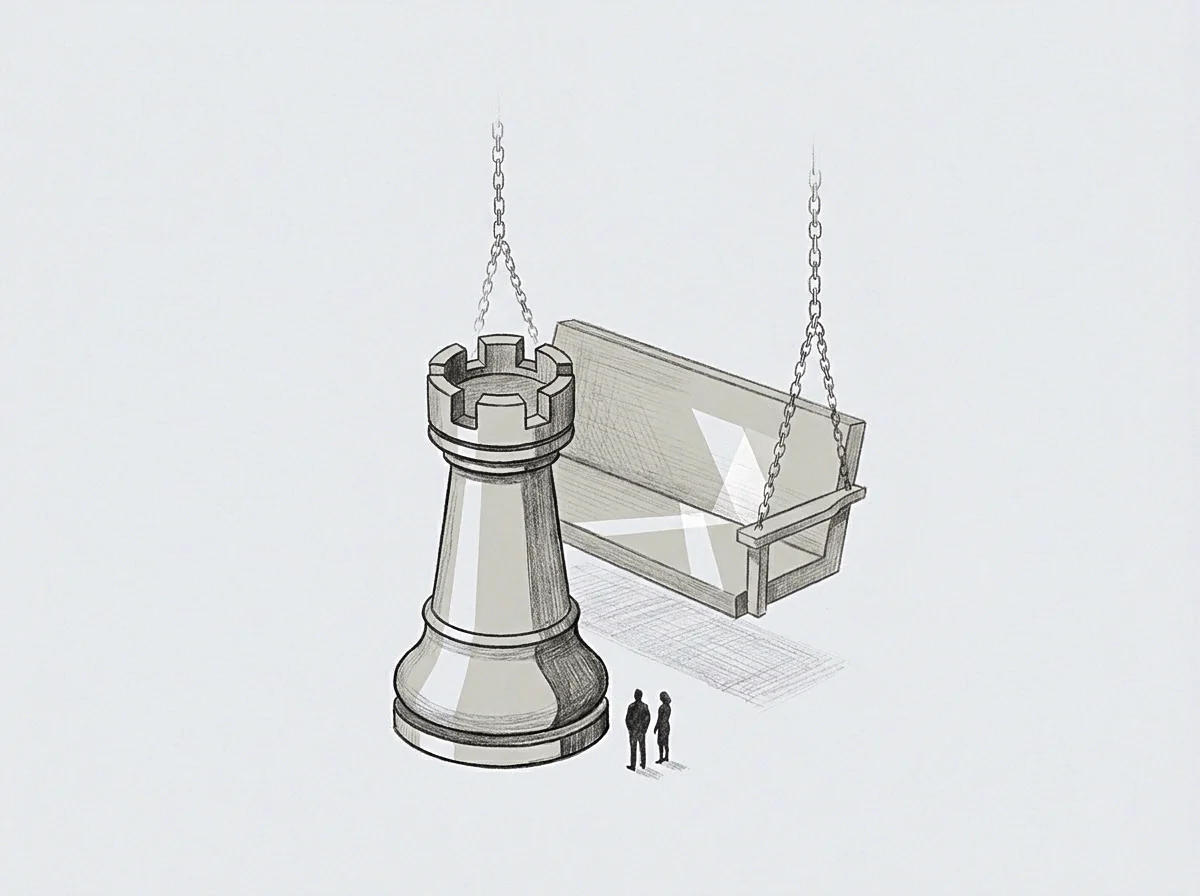
Unresolved conflicts of this nature can lead to the departure of key personnel or the dissolution of the entire partnership. If the contribution dispute is settled through compromise, it often results in a revised set of expectations for every participant. Clearer documentation and more frequent reviews are established to prevent the same imbalance from recurring.
Success in these negotiations allows the firm to move past internal friction and focus on external market challenges that require a unified leadership team.