Meaning
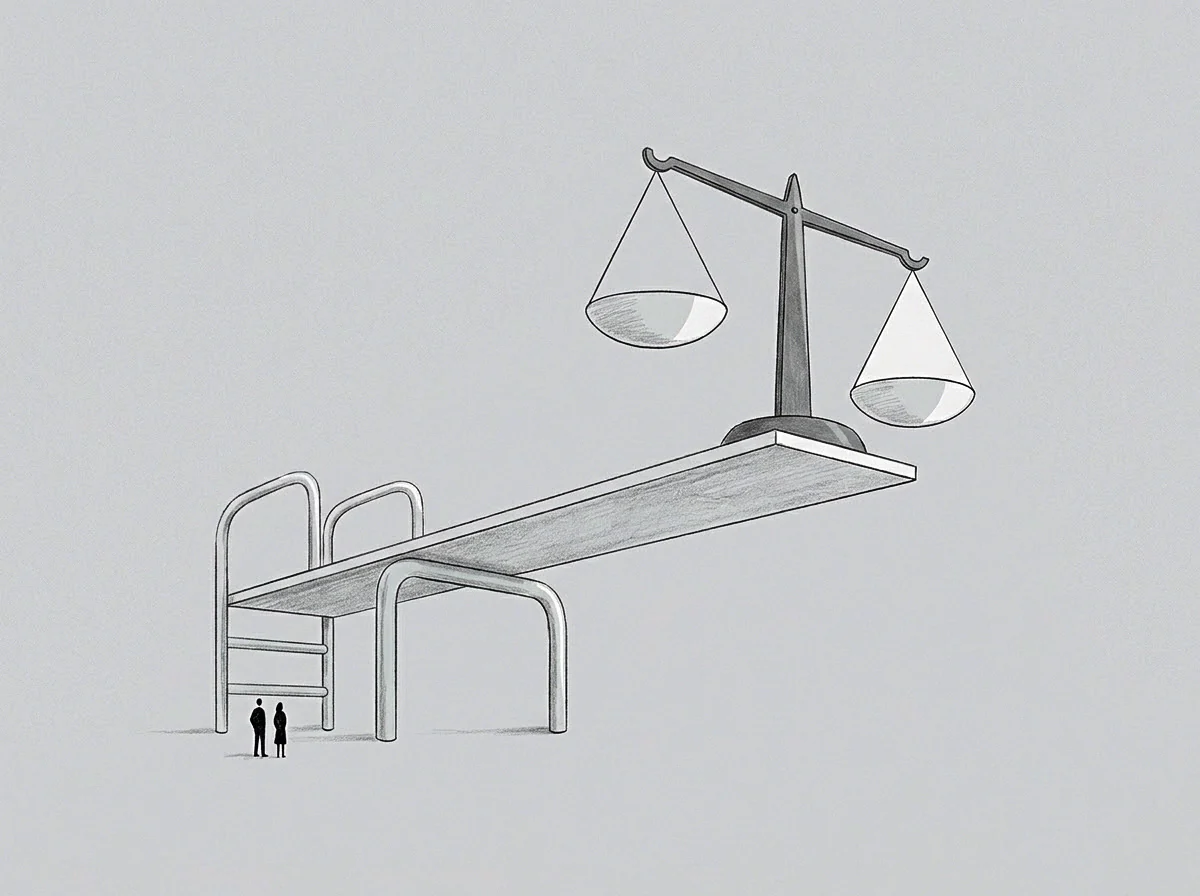
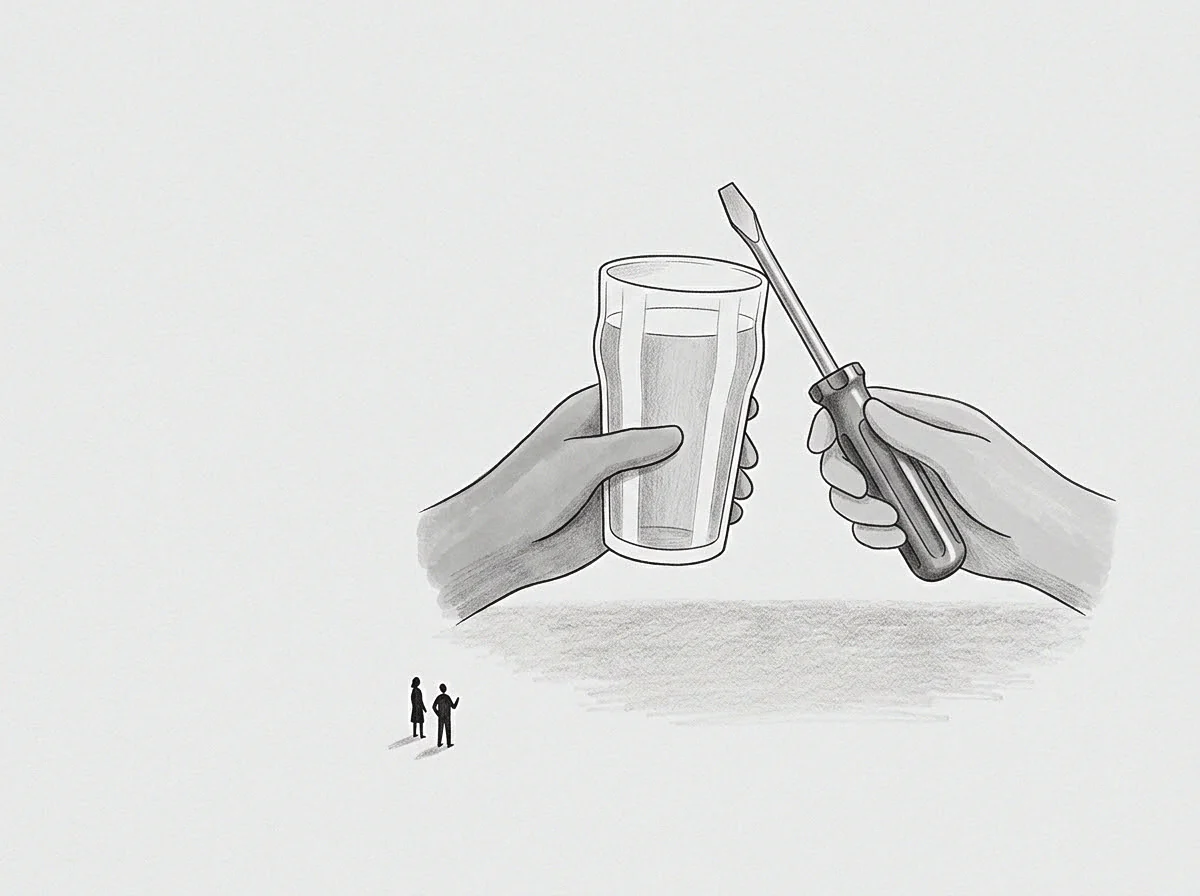
Unspoken expectations form a layer of interaction where one party performs a service with the silent assumption of a future reward. A covert contract operates on the premise that if one individual is helpful and compliant, the other person will instinctively know how to reciprocate. This dynamic is common in professional relationships where the parties are reluctant to discuss the terms of their exchange openly.
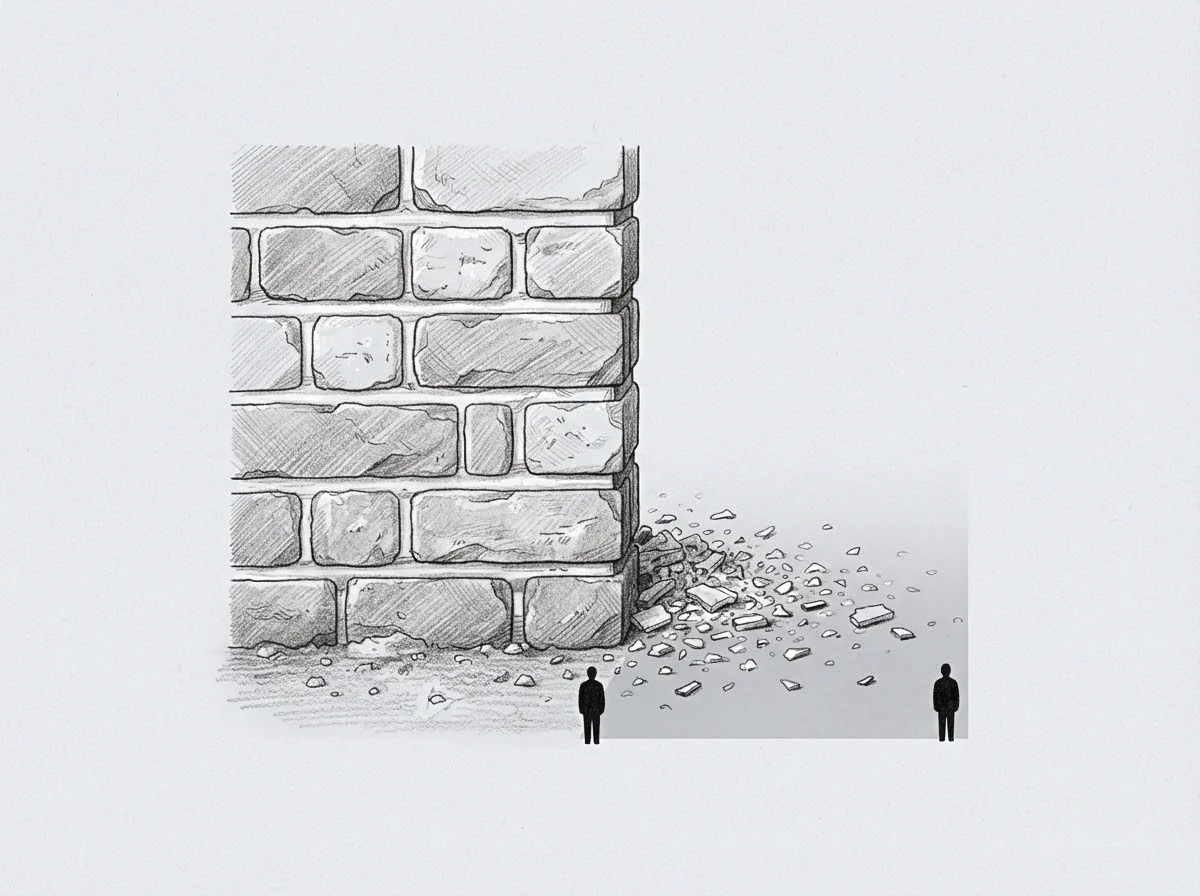
It remains in place until one party fails to meet the unstated expectation, leading to a breakdown in trust.
Implicit Expectation
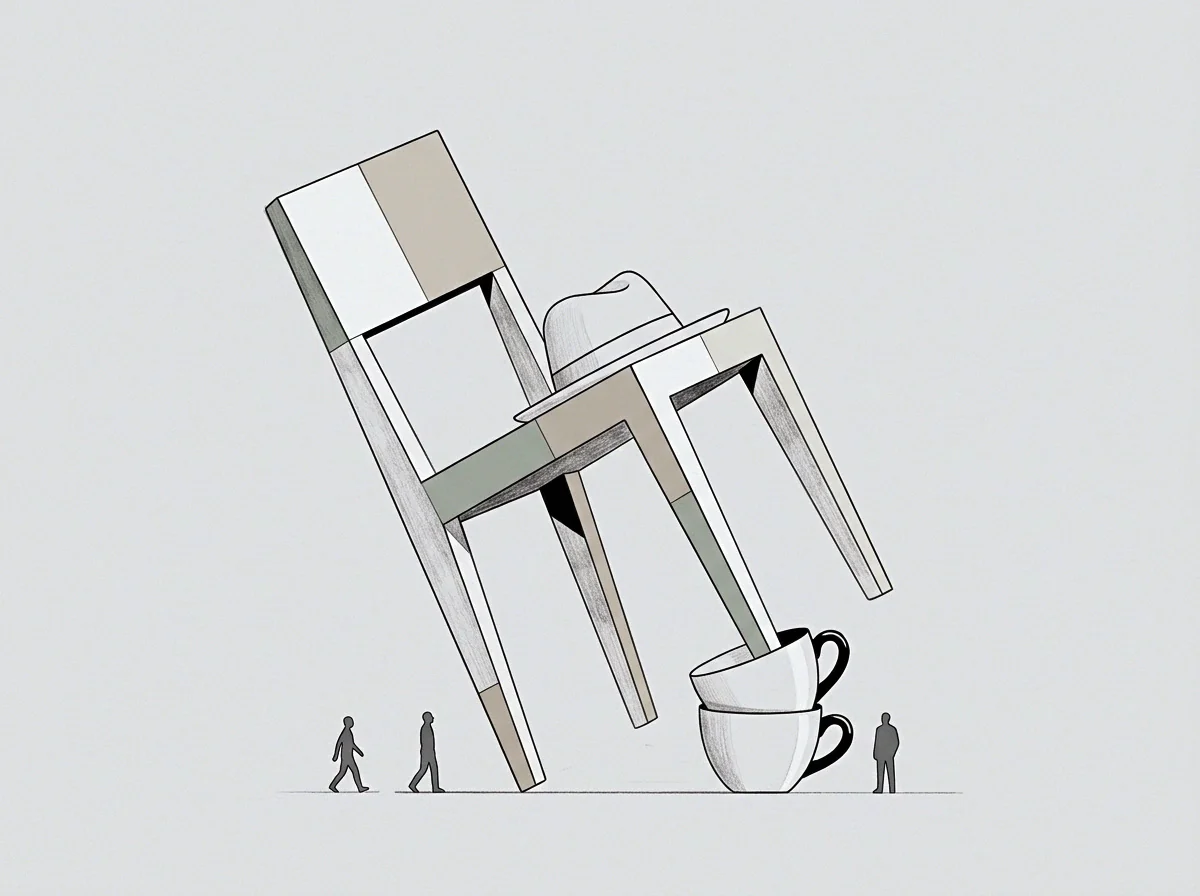
Agreements of this type are never written down or formally acknowledged. One person might provide extra hours of labor in the belief that a promotion or a specific favor will be granted automatically.
Relational Friction
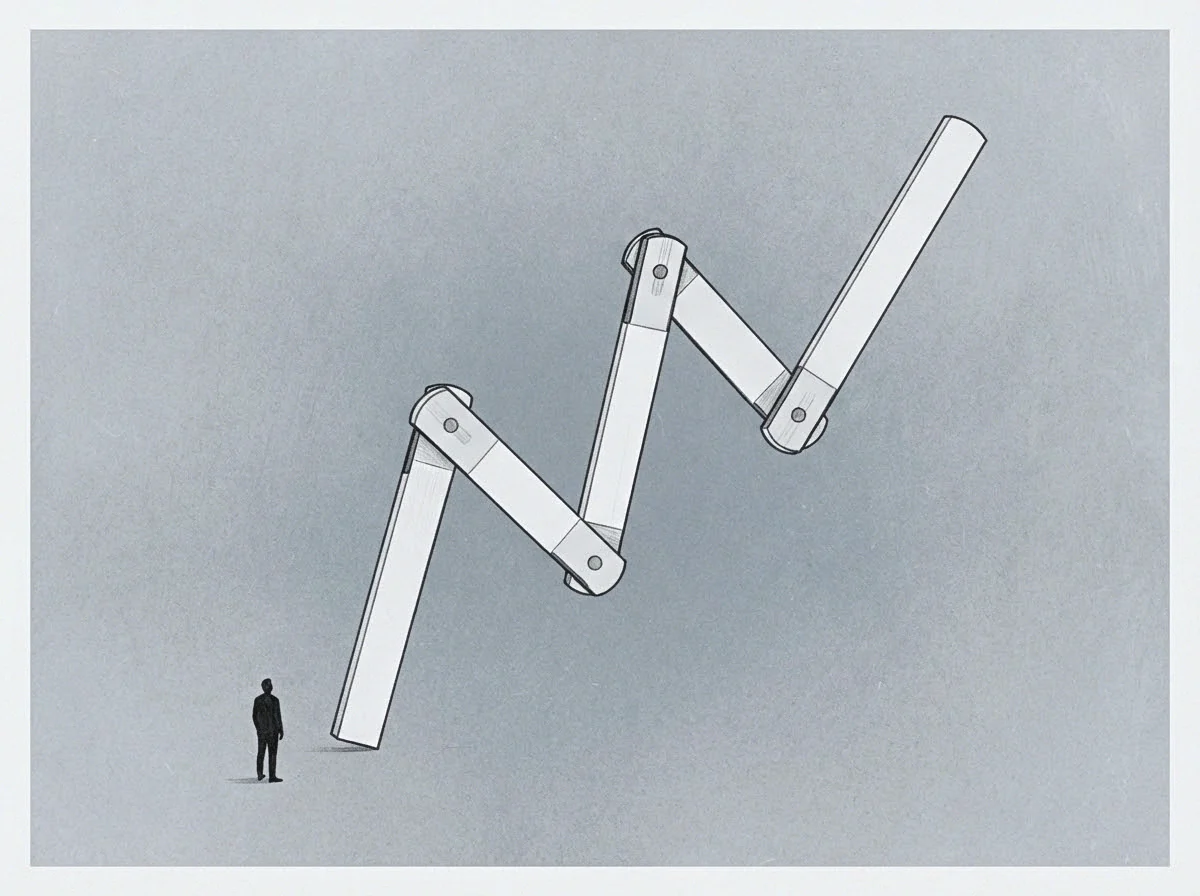
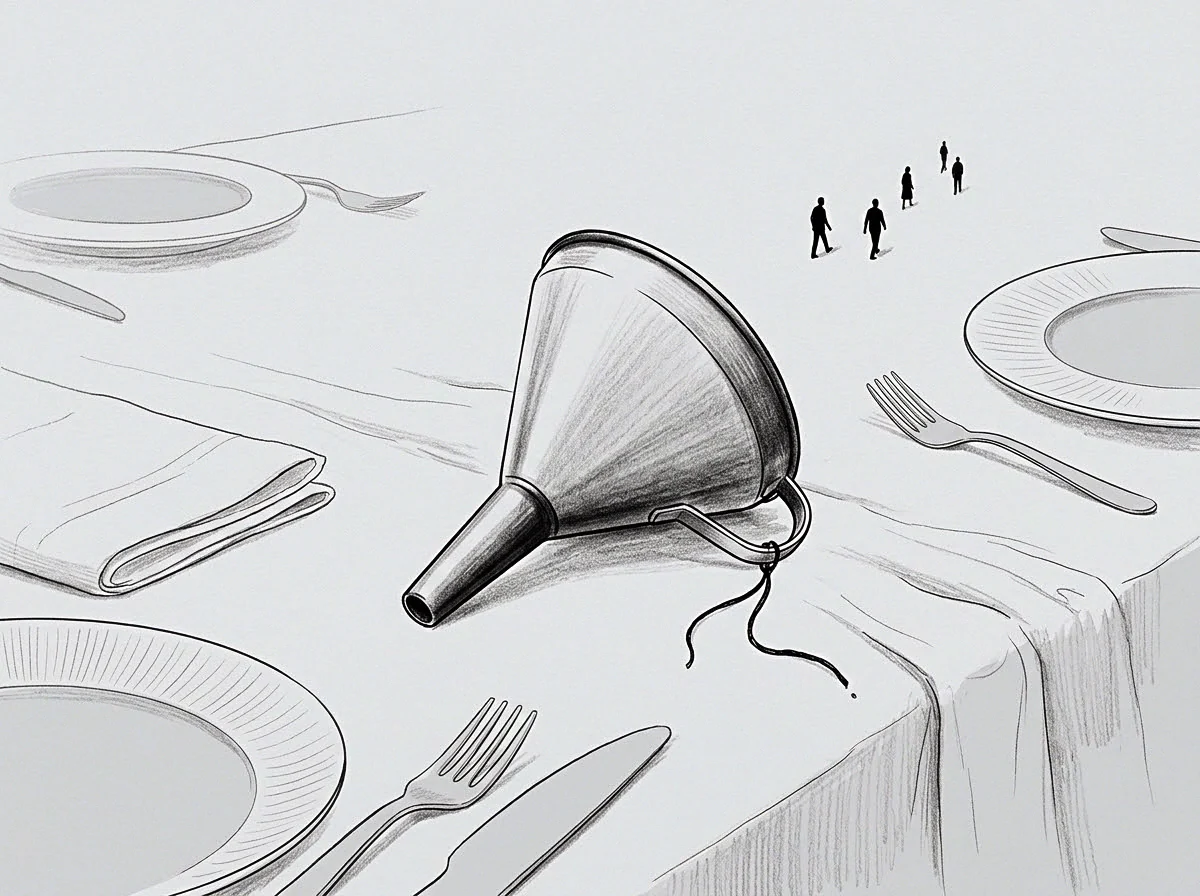
The lack of clarity in these arrangements creates a high cost in mental energy and emotional capacity. Because the terms are not explicit, the person expecting the return often feels resentment when the other party does not deliver. This frustration grows over time as the gap between the perceived effort and the actual reward widens.
Tension within a team often stems from these hidden obligations that have never been clarified or agreed upon by all members.
Verification Threshold
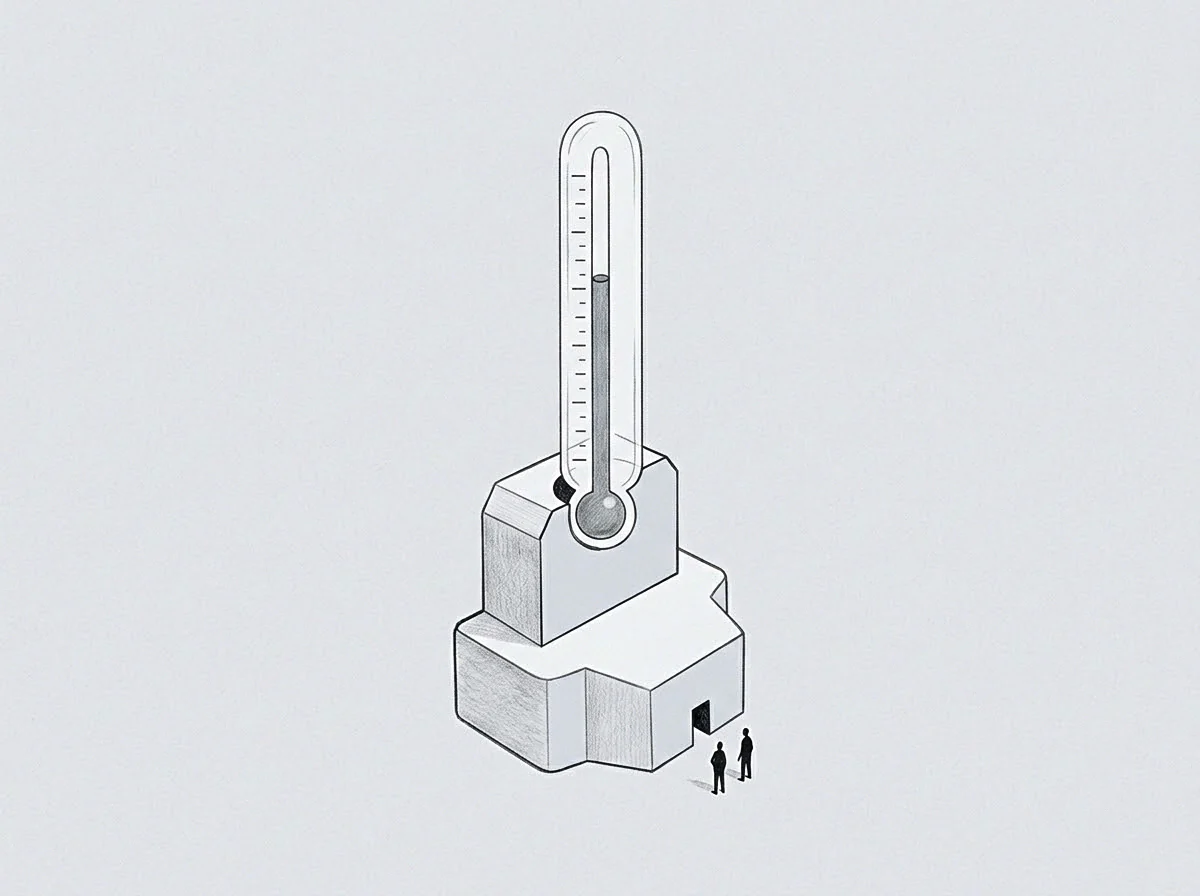
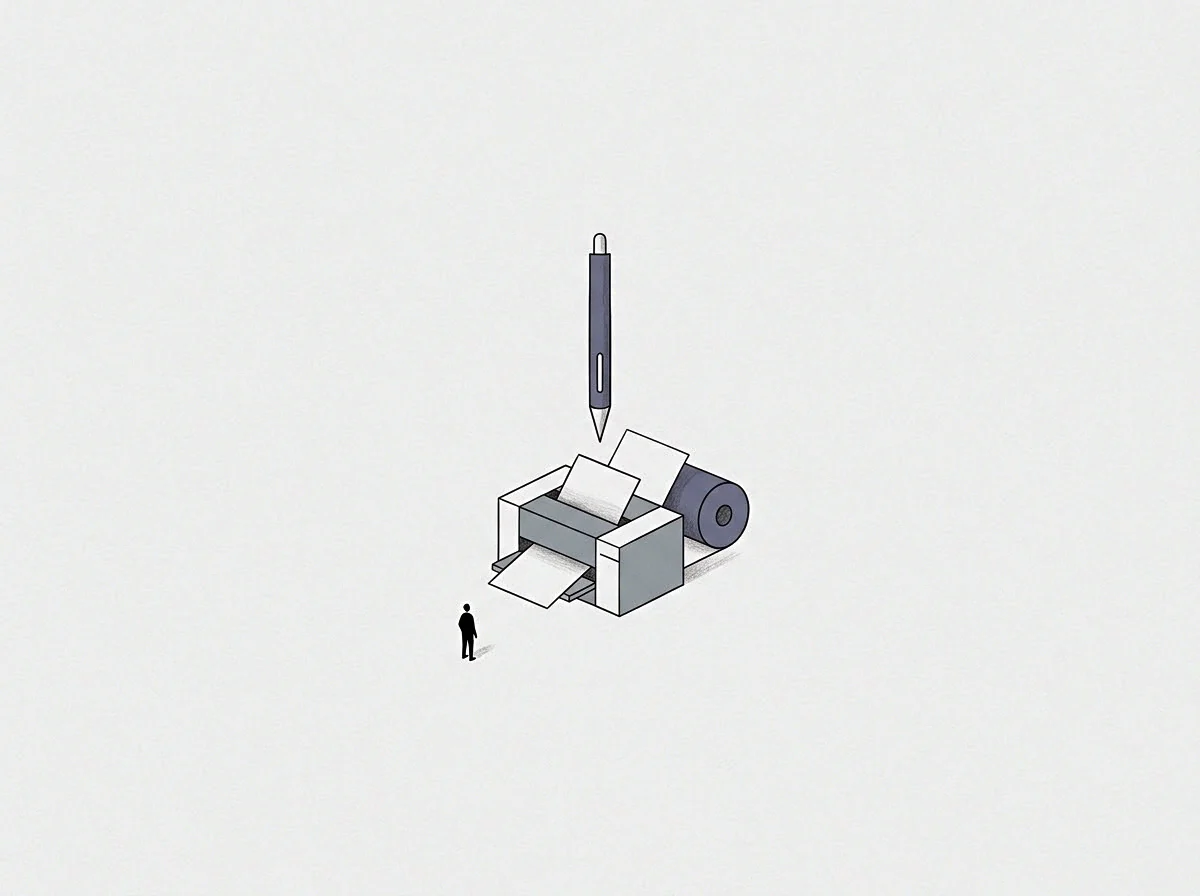
Clarity is only achieved when the unspoken terms are brought into the open for discussion. Once the expectations are stated, the covert contract is either formalized into a real agreement or it is discarded as an invalid assumption.