Meaning
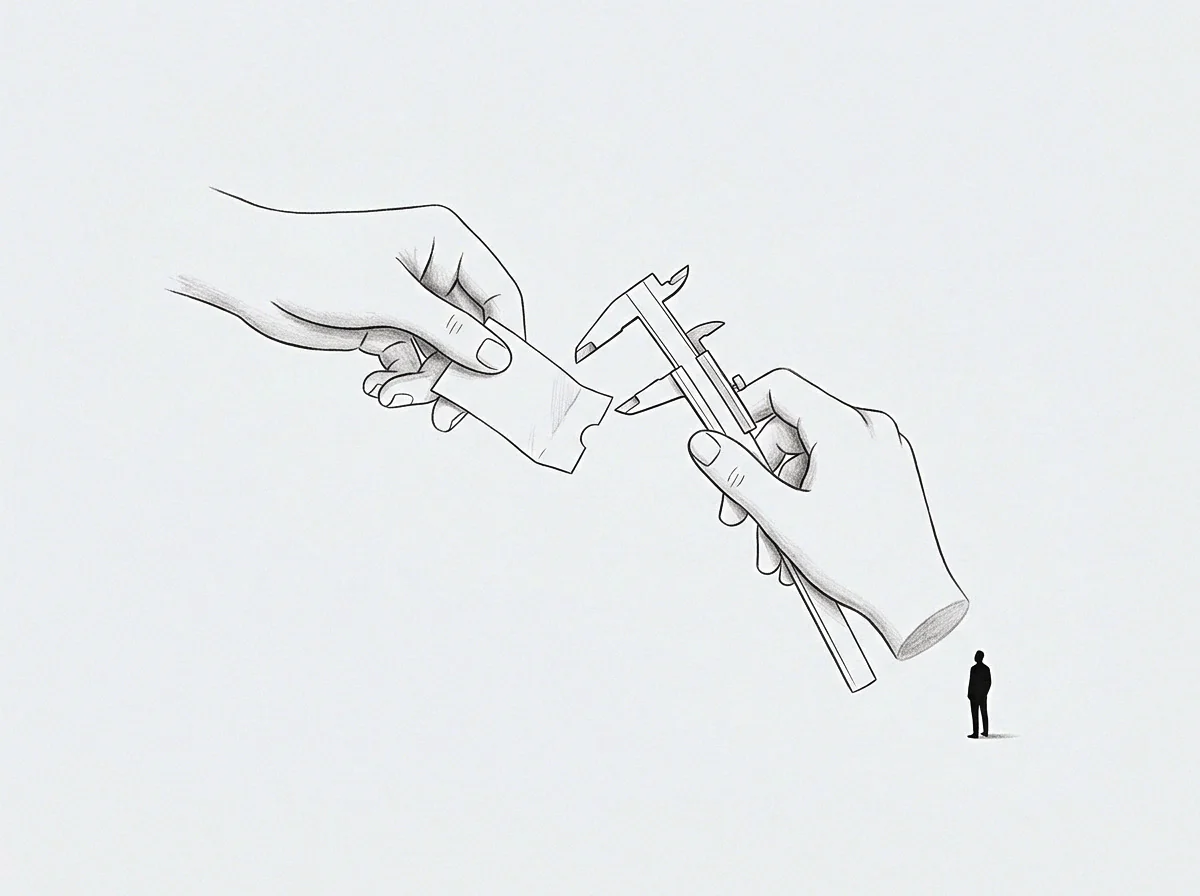
Gradual decline in execution quality occurs when strategic priorities are slowly ignored or modified over time by operational teams. This phenomenon of directive erosion is particularly common after leadership shifts, where original instructions lose their clarity as they are passed down the hierarchy. It leads to a widening gap between executive intent and daily activities.
Behavioral Drift
Team members often adapt official instructions to fit their personal preferences or immediate conveniences when oversight is sparse. This gradual modification of tasks happens without explicit refusal, making it difficult to detect through standard reporting structures. Over time, these minor adaptations accumulate until the original intent of the instruction is lost entirely.
Communication Failure
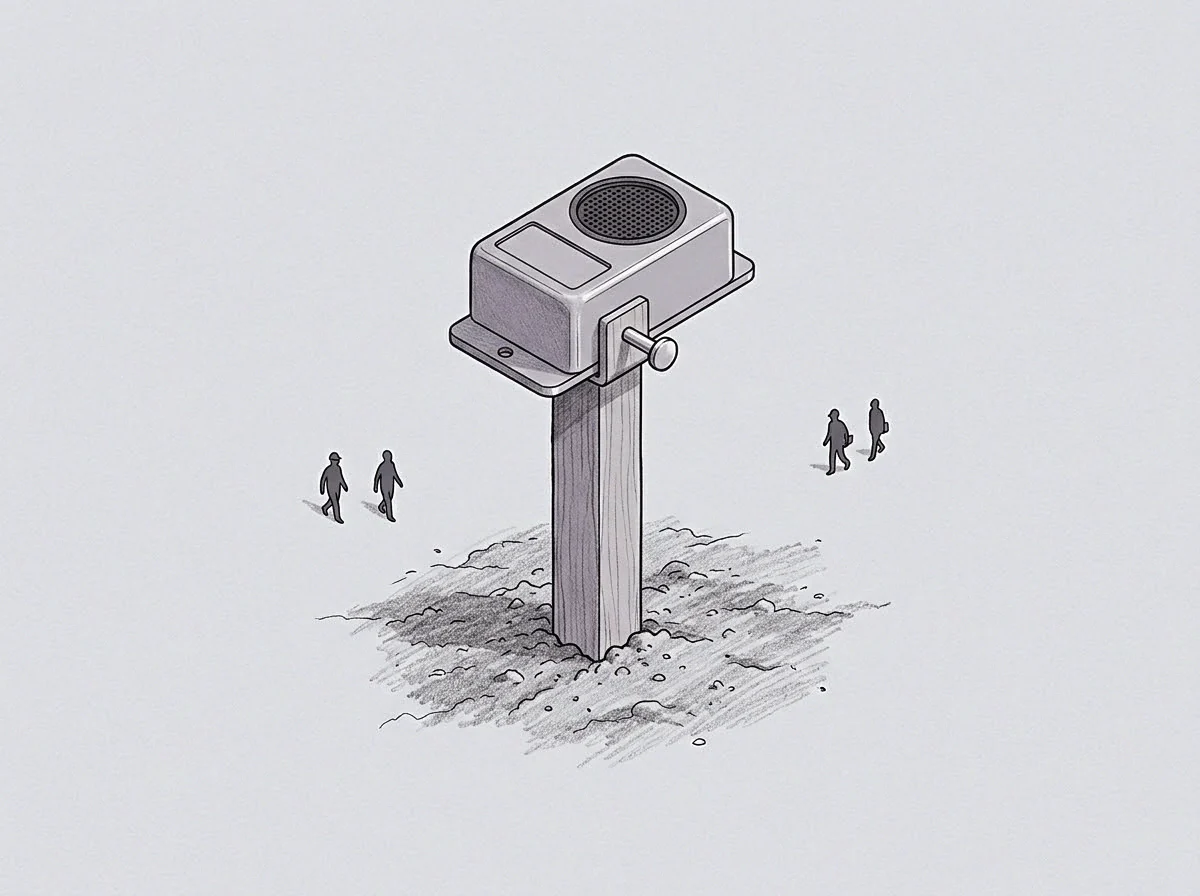
Clear documentation and frequent reinforcement are necessary to prevent this decline in operational focus. When instructions are delivered once without subsequent follow-up, team members assume the priority has shifted. This assumption accelerates the drift from the original strategy.
Remediation Method
Reestablishing operational alignment requires targeted interventions that clarify the company’s expectations and reinforce accountability. Managers must reintroduce the core objectives of the directive and measure performance against those original standards. This reset halts the drift, ensuring that the company’s energy remains directed toward the strategic goals established during its founding.
Consistent enforcement over subsequent quarters prevents the recurrence of this operational drift.